High-Protein Vegetarian Lasagna: A Low-Calorie Recipe
High-protein vegetarian lasagna delivers 27-30g protein per serving, low calories, and filling flavors. Learn the secret ingredient combo for success.
Lasagna Without Meat — and Without Compromising on Protein
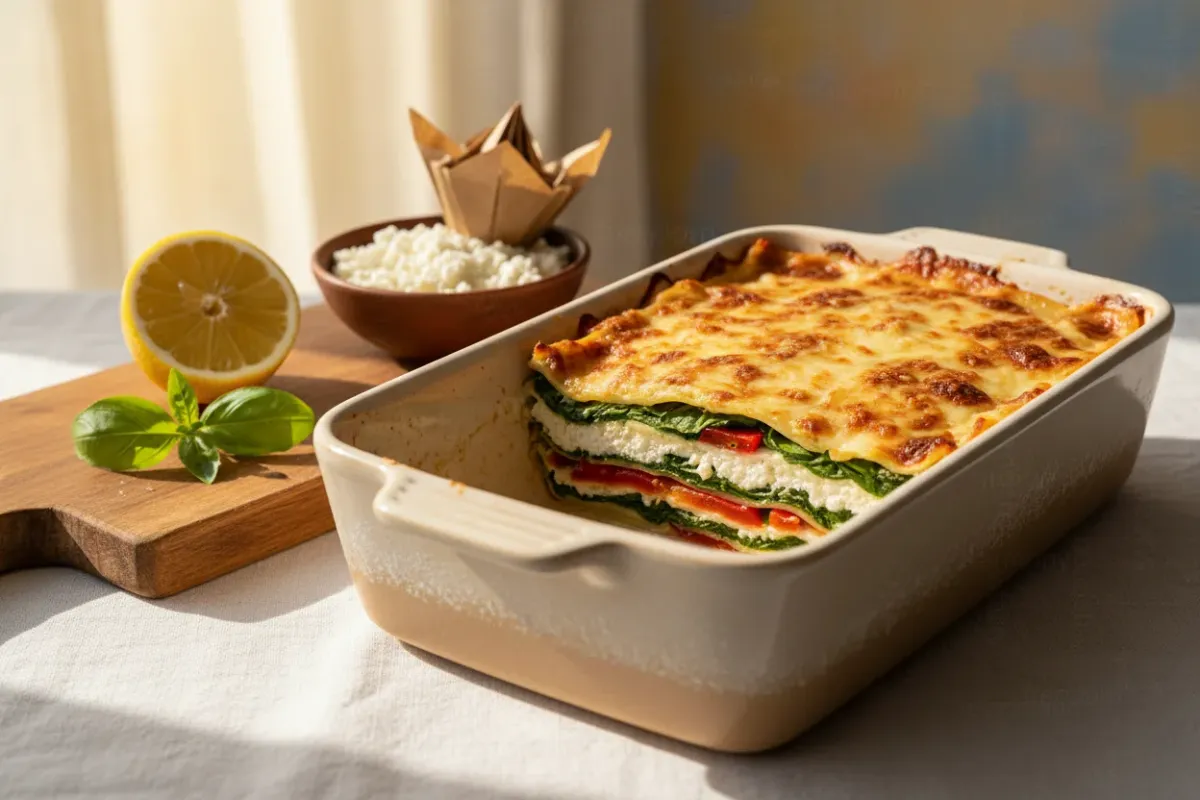
Lasagna has long ceased to be a dish associated only with fatty ground meat and feeling heavy after lunch. A vegetarian version with the right selection of ingredients can deliver a serious dose of protein — up to 27–30 g per serving — while staying within a reasonable calorie range. This isn't magic, but a smart combination of ingredients: cottage cheese, ricotta, egg whites, tofu, and vegetables with high nutrient content.
For those who track their macros and want to diversify their diet, high-protein vegetarian lasagna is a real gem. It's filling, beautiful, perfect for meal prep, and doesn't require a culinary degree.
Why Vegetarian Lasagna Can Be High in Protein
The main misconception is that without meat, there's "nothing to provide protein" in lasagna. In reality, dairy products and their plant-based alternatives handle this task brilliantly.
Cottage Cheese and Ricotta — The Foundation of a High-Protein Filling
Cottage cheese is one of the most accessible protein sources in vegetarian cooking. 100 g of low-fat cottage cheese contains about 18 g of protein at only 70–85 calories. Ricotta adds a creamy texture and another dose of protein. As noted in the recipe from Cooked & Loved, using cottage cheese in addition to ricotta, shredded cheese, and pasta sheets yields about 30 grams of protein per serving when the lasagna is cut into 8 pieces.
Egg Whites — The Hidden Helper
Egg whites are often added to the filling not only as a binder but also to boost the protein value. One egg white contains approximately 3.6 g of pure protein with no fat. In the recipe from Skinny Fitalicious, the filling is made from a mix of spinach, egg white, lemon juice, ricotta, parsley, basil, and Parmesan — each ingredient contributing to the overall protein profile.
Tofu — An Option for Vegans
For a fully plant-based version, tofu replaces ricotta almost one-to-one in texture. According to the recipe from Physicians Committee for Responsible Medicine (PCRM), lasagna with tofu and cashew ricotta contains 276 calories and 13 g of protein per serving — and this is a basic version that can be enriched with additional protein sources.
How to Build the Perfect Low-Calorie Lasagna: A Step-by-Step Strategy
Step 1. Choose the Right Noodle Sheets
Regular lasagna sheets contain about 300–360 calories per 100 g. You can reduce the calorie count in several ways:
- Whole wheat sheets — slightly more fiber, slightly lower glycemic index
- Thin sheets — less dough, more room for filling
- Vegetable substitution — thinly sliced zucchini or eggplant instead of pasta completely eliminates the "dough" calories
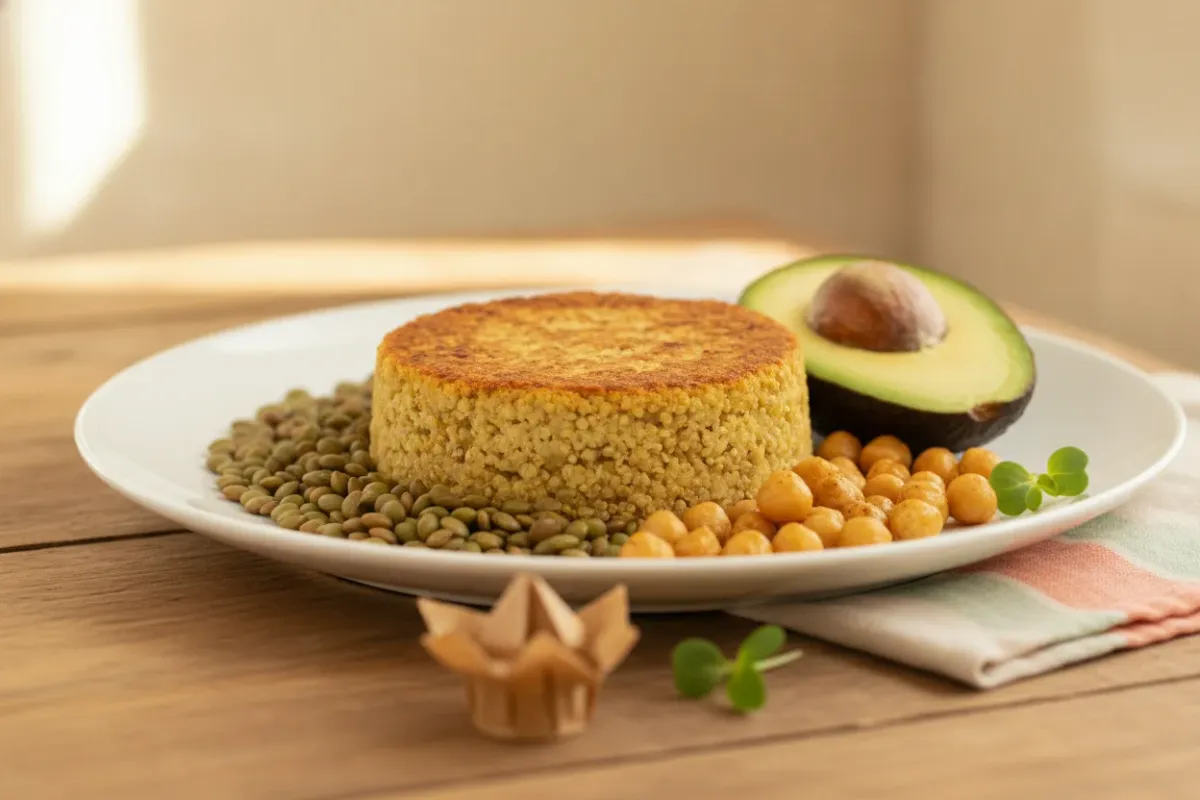
An interesting option is suggested by EatingWell: in one of their recipes, a layer of quinoa is used instead of pasta sheets — adding both protein and fiber.
Step 2. Prepare the Vegetable Base
Vegetables in vegetarian lasagna aren't just "for bulk." They provide flavor, texture, and micronutrients. The best options for high-protein lasagna:
- Spinach — an absolute classic. An important tip from the EatingWell recipe: spinach needs to be thoroughly squeezed out because it retains a surprisingly large amount of water that will make the lasagna "soupy."
- Mushrooms — provide a meaty texture and umami. The recipe from Alphe's Corner uses 125 g of sliced button mushrooms as part of the Bolognese.
- Zucchini — light, delicate, adding almost no calories.
- Butternut squash — sweet, creamy, pairs excellently with cheese. In the Cooked & Loved recipe, roasted butternut squash is one of the key layers alongside zucchini and mushrooms.
- Tomatoes — as a sauce or passata. To save time, a quality store-bought tomato sauce works perfectly fine.
Spinach is sautéed in one teaspoon of olive oil for 3–5 minutes until soft — this is enough for it to wilt and become pliable for the filling.
Step 3. Assemble the Protein Filling
This is where the real "protein magic" happens. Three tried-and-tested filling options:
Option A — Cottage Cheese and Ricotta (Vegetarian)
| Ingredient | Amount |
|---|---|
| Cottage cheese 2–5% fat | 300 g |
| Ricotta | 200 g |
| Egg whites | 2 |
| Grated Parmesan | 40 g |
| Spinach (squeezed dry) | 150 g |
| Basil, parsley | to taste |
| Lemon juice | 1 tsp |
| Salt, pepper | to taste |
Everything is mixed until smooth. The lemon juice isn't just for a hint of acidity: it slightly brightens the flavor and balances the richness of the cheese.
Option B — Tofu Ricotta (Vegan)
For this version, silken tofu (extra firm) is blended with cashews, lemon juice, nutritional yeast, and salt until it reaches a creamy, ricotta-like texture. As described in the recipe from Rainbow Plant Life, it's important to taste the mixture for salt, acidity, and "cheesiness," adding more salt, lemon juice, or nutritional yeast as needed.
Option C — With Light Cream Cheese
In the recipe from Alphe's Corner, the white sauce for the lasagna is made from 80 g of spinach and 80 g of light cream cheese (Philadelphia Lightest) — a high-protein, low-fat cream cheese option that makes the sauce silky without the extra calories.
Step 4. Assemble and Bake
The assembly principle is universal across all variations:
- A thin layer of tomato sauce on the bottom of the baking dish
- Lasagna sheets (or vegetable slices)
- Protein filling
- Vegetables
- Repeat 2–3 times
- Top layer — sauce + shredded cheese
For baking, a two-stage approach is recommended: first 20 minutes covered with foil, then 20 minutes without foil for a golden crust. Temperature — 180°C (350°F). A tip from EatingWell: lightly grease the foil or spray it with cooking spray before covering the lasagna so the cheese doesn't stick.
After baking, the lasagna needs to rest for 15 minutes — during this time, the layers will "set," and portions will slice neatly without falling apart.
Macros: Comparing Vegetarian Lasagna Variations
Exact numbers depend on the ingredients and portion size, but here are benchmarks based on tested recipes:
| Variation | Calories | Protein | Fat | Carbs | Source |
|---|---|---|---|---|---|
| With cottage cheese and ricotta (1/8 of pan) | ~521 | ~27 g | ~25 g | ~51 g | Cooked & Loved |
| With tofu and cashews (1/8 of pan) | ~276 | ~13 g | ~10 g | ~33 g* | PCRM |
| With light cheese and vegan mince | ~350–400** | ~22–25 g | ~12–15 g | ~35–40 g | Alphe's Corner |
*The vegan version is significantly lighter in calories, but also lower in protein — this can be compensated by adding unflavored protein powder to the tofu ricotta or increasing the tofu portion.
**Approximate estimate based on recipe ingredients.
How to Reduce Calories Without Losing Protein
- Replace regular cheese with a low-fat, high-protein option. The recipe from Alphe's Corner uses Eatlean brand cheese — virtually fat-free with high protein content that still melts like regular cheese.
- Use fat-free cottage cheese instead of full-fat ricotta — the protein stays, while calories drop by 30–40%.
- Replace one or two pasta layers with thinly sliced zucchini — minus 100–150 calories per serving.
- Increase the proportion of vegetables — mushrooms, spinach, and zucchini add virtually no calories but increase the portion volume.
Meal Prep Hacks: Lasagna for the Week
Vegetarian lasagna is an ideal dish for preparing meals several days in advance. Here's why:
Refrigerator Storage
Cooked lasagna keeps in the refrigerator for up to 5 days — this is confirmed by recipes from Hummus Sapien. Simply slice into portions, place in containers, and reheat as needed.
Freezing
Assembled but unbaked lasagna can be frozen for up to 3 months, as noted in the recipe from Hodo Foods. This is convenient: take it out of the freezer, put it in the oven — and in 40–50 minutes you have a complete dinner with a solid protein profile.
Individual Portion Freezing
For one or two people, it's more convenient to cook in a smaller dish. In the Alphe's Corner recipe, the lasagna is designed for 3–4 servings and is made in a loaf tin — compact and without leftovers lingering on day five.
Variations for Different Dietary Goals
For a Calorie Deficit (Weight Loss)
Goal: 300–400 calories and 25+ g of protein per serving.
- Replace lasagna sheets with zucchini
- Fat-free cottage cheese + egg whites instead of ricotta
- Minimal oil (1 teaspoon for the entire pan when sautéing spinach)
- Low-fat cheese on top — in a thin layer
For Muscle Gain (Calorie Surplus)
Goal: 500–600 calories and 30+ g of protein per serving.
- Classic pasta sheets (whole wheat is an option)
- Cottage cheese + ricotta + whole egg
- A generous layer of cheese
- A layer of white beans or lentils can be added for extra protein
For Keto
Goal: minimal carbs, maximum fat and protein.
- Replace sheets with thin slices of eggplant or zucchini
- Full-fat ricotta, cream cheese, Parmesan
- Sauce made from fresh tomatoes (no sugar)
- Add avocado to the filling for healthy fats
Common Mistakes When Cooking
Too Watery Lasagna
This is the number one problem. Causes: poorly squeezed spinach, overly watery sauce, raw zucchini instead of pre-baked ones. Solution: squeeze spinach in a towel, slice and salt zucchini 15 minutes before assembly (the salt will draw out water), and reduce the sauce to a thick consistency beforehand.
Not Letting the Lasagna Rest
Cutting immediately after taking it out of the oven is a surefire way to end up with a shapeless mess. 15 minutes on the counter is a mandatory step.
Too Little Sauce
There should be sauce between the layers — without it, the pasta sheets will remain dry and stiff. As advised in the recipe from Hummus Sapien, you should place a full cup of marinara sauce on the bottom of the dish, and 1.5 cups or more on each subsequent layer.
Dried-Out Top
If the lasagna is baked without foil from start to finish, the top layer dries out. The first 20–30 minutes — always under foil.
Frequently Asked Questions
Can You Freeze Lasagna Before Baking?
Yes, and this is one of the best meal prep methods. Assembled lasagna can be frozen for up to 3 months. When baking from frozen, add 15–20 minutes to the regular cooking time and be sure to cover with foil during the first stage.
How to Prevent Lasagna from Getting Soggy?
Three key points: thoroughly squeeze out spinach and other greens, pre-bake or dry out watery vegetables (zucchini, eggplant), and reduce the tomato sauce to the desired thickness. It's also important not to pour too much sauce between the upper layers.
Is Vegetarian Lasagna Suitable for a 9×13 Pan?
Most recipes are designed for a standard 9×13-inch pan (approximately 23×33 cm), yielding 8–9 servings. For fewer servings, you can use a loaf tin — for 3–4 servings.
Is 521 Calories per Serving a Lot?
It depends on your daily intake and goals. For most people, a 500-calorie serving with 27 g of protein is a complete lunch or dinner that won't leave you reaching for snacks. If the goal is a lighter option, replacing pasta with zucchini and using fat-free cottage cheese will bring the calorie count down to 300–350 without a significant loss of protein.
Give It a Try
High-protein vegetarian lasagna is a dish that works equally well for a family dinner and for weekly meal prep. Start with the simplest version: a good tomato sauce, cottage cheese with egg whites and spinach, lasagna sheets, and a little cheese on top. Once you've gotten a taste for the basics — experiment with butternut squash, mushrooms, tofu, and different vegetables. Each variation is a new flavor with consistently high protein and controlled calories.
This article is for informational purposes only and is not medical advice. Consult a doctor or dietitian before making dietary changes.