Cottage Cheese Pizza Dough: A High-Protein Base in 5 Minutes
Cottage cheese pizza dough: 5-minute recipe with 20-40g protein. No yeast, crispy edges, real pizza taste. Discover the high-protein pizza hack you need.
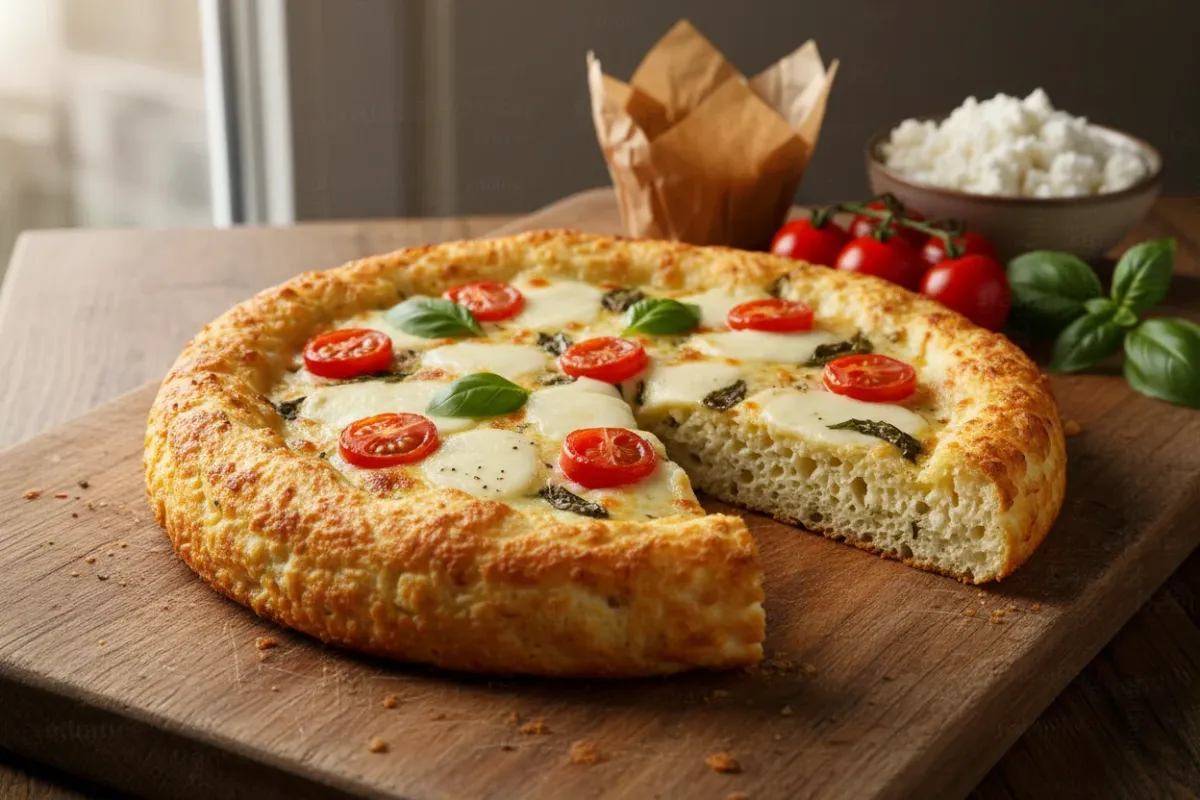
Pizza is a food that's hard to give up. But what if you don't have to? Cottage cheese pizza dough is a trend that came from the world of fitness cooking and is here to stay. A cottage cheese base delivers 20 to 40 grams of protein per serving, requires no yeast, and no waiting for the dough to rise. Crispy edges, a soft center, and it tastes like real pizza — just with a serious protein bonus.
Let's break down why cottage cheese works so well in dough, what recipe variations exist, and how to adapt this idea for those accustomed to the denser Russian-style tvorog.
Why Cottage Cheese — The Science Behind the Recipe
Cottage cheese is one of the most underrated foods in healthy eating. Many see it as a boring diet breakfast, but in pizza dough it reveals itself in an entirely new way.
Protein That Delivers
Half a cup of cottage cheese (about 113 g) contains roughly 12 grams of protein and 100 calories, as noted by Prevention citing dietitian recommendations. And a full cup has about 25 g of protein. This makes it possible to create a pizza base that rivals chicken breast in protein content.
According to Cleveland Clinic, cottage cheese is rich in casein protein — a complete protein containing all essential amino acids. Casein affects appetite, energy, muscle growth, and even sleep quality. In other words, cottage cheese pizza for dinner is not only delicious but also functional.
Less Fat Than You'd Think
Cottage cheese at 4% fat contains several times less fat than, say, cheddar (about 30% fat). As dietitian Zumpano notes in a Cleveland Clinic article, "full-fat cottage cheese and full-fat Greek yogurt contain the same amount of fat, but cottage cheese has 25% more protein."
Calcium and Bone Health
Cottage cheese contains three nutrients important for bone health: calcium, phosphorus, and protein. Regular calcium intake combined with a moderate caloric deficit can support the weight loss process — and cottage cheese pizza fits this strategy perfectly.
The Basic Formula: From Two Ingredients to a Complete Dough
Cottage cheese pizza dough recipes exist in several variations — from ultra-minimalist to slightly more complex. They all share one principle: cottage cheese replaces yeast and oil, giving the dough structure, moisture, and protein.
Option 1: Two Ingredients (No Flour)
The simplest recipe from Pinch Me Good includes just two components:
- 1 cup cottage cheese (2–4% fat)
- 2 large eggs
The ingredients are blended together, spread in a thin layer on parchment paper, and baked. The result is a thin, crispy base.
Macros per serving (1/3 of the recipe):
- Protein: 12 g
- Net carbs: 3 g
- Total time: 40 minutes
This option is suitable for the keto diet and for those avoiding gluten. The texture will be closer to an omelet than classic dough — but with the right toppings, that's not a problem.
Option 2: Three Ingredients (The Classic)
The recipe from iFoodReal adds flour:
- Cottage cheese
- Flour (all-purpose or self-rising)
- Baking powder (if using all-purpose flour)
Recipe author Olena Osipova notes that "it's so simple that even kids can make it," and compares it to cauliflower-based dough, which "requires significantly more effort."
Macros per serving (1/4 of the recipe):
- Protein: 20 g
- Prep time: 40 minutes (10 minutes prep + 20 minutes baking + 10 minutes resting)
One reader described the result this way: "Simple, stable dough — the texture and feel resemble artisan pizza dough."
Option 3: With Eggs and Herbs
The recipe from What Molly Made is the sweet spot between simplicity and flavor:
- 1 cup cottage cheese
- 2 large eggs
- ¼ cup flour
- 1 tsp Italian herbs
The dough is shaped into a circle about 25 cm (10 inches) in diameter and baked for 13–15 minutes until golden, then toppings are added and it bakes for another 12–15 minutes. Total time — 30 minutes.
The author advises: "Full-fat cottage cheese creates a melt-in-your-mouth golden crust, but fat-free works too if you want to cut calories."
Option 4: Maximum Protein
The recipe from Healthy Fitness Meals goes all in on protein:
- Cottage cheese
- Eggs
- Flour
- Onion powder, garlic powder, dried oregano
Macros per serving:
- Protein: 40 g per serving
The dough is baked at 175°C (350°F) for 25–30 minutes. The recipe author notes: "Cottage cheese has become my favorite ingredient — it adds the perfect amount of protein with virtually no change in flavor."
Full Macros: Comparing the Options
| Option | Protein | Net Carbs | Calories (base only) | Time |
|---|---|---|---|---|
| Two ingredients (no flour) | 12 g | 3 g | ~100 kcal | 40 min |
| Three ingredients | 20 g | ~25 g | ~200 kcal | 40 min |
| With eggs and herbs | ~18 g | ~15 g | ~170 kcal | 30 min |
| Maximum protein | 40 g | ~20 g | ~250 kcal | 35 min |
| With toppings (full pizza)* | 58 g | ~35 g | 777 kcal | 40 min |
*Full pizza per the The Roasted Root recipe with ¾ cup mozzarella and 8 slices of pepperoni. The base alone without toppings: 410 kcal, 32 g protein, 35 g carbs.
For comparison: a serving of classic pizzeria pizza averages 250–350 kcal and only 10–15 g of protein. The cottage cheese version wins on the protein-to-calorie ratio by a factor of two.
Step-by-Step Technique: How to Get a Crispy Crust
The main complaint about homemade protein bases is "soft and soggy." Cottage cheese dough can be truly crispy if you follow a few rules.
Step 1: Preparing the Dough
The cottage cheese needs to be blended until smooth. If using curd-style cottage cheese or regular cottage cheese, blend it. Grainy chunks in the dough will create an uneven texture. As the authors at Fit Foodie Finds note, blended cottage cheese gives the dough a "crispy yet chewy texture" without needing to wait for the dough to rise.
Step 2: Thickness Is Key
The dough should be rolled out or spread by hand to no more than 5–7 mm (about ¼ inch) thick. As the Pinch of Yum recipe warns: "This is a fairly bready dough, so it's important to spread it out wide enough so it doesn't end up too thick and soft." A circle about 30 cm (12 inches) in diameter is the ideal target.
Step 3: Double Baking
This is the crucial step. The base is baked first without toppings:
- Preheat the oven to 200–230°C (400–450°F)
- Bake the base for 10–15 minutes until lightly golden
- Remove, add sauce and toppings
- Return to the oven for another 5–15 minutes
Double baking is the secret to crispy edges. If you add toppings right away, the moisture from the sauce and cheese won't let the base dry out.
Step 4: Resting After Baking
After coming out of the oven, the pizza needs to sit for 1–2 minutes. During this time the structure stabilizes, and the dough won't fall apart when sliced.
Russian Tvorog vs. Cottage Cheese: An Important Distinction
All the recipes reviewed were created for cottage cheese — a soft, curd-style cheese with high moisture content. Russian tvorog (the kind sold in blocks, 5–9% fat) differs in texture: it is significantly drier and denser.
How to Adapt the Recipe
If using regular Russian tvorog:
- Add 2–3 tablespoons of milk or kefir when blending to achieve a smooth, sufficiently liquid consistency
- You can use soft tvorog sold in tubs — it's closer to cottage cheese in consistency
- Curd-style tvorog (brands like Savushkin, Prostokvashino) is an ideal substitute
If using homemade tvorog:
- Press through a sieve or blend until completely smooth
- You may need more liquid — aim for the consistency of thick sour cream
Moisture in the cottage cheese plays an important role: it helps bind the dough and create the right texture. Tvorog that's too dry will produce a crumbly base that falls apart when sliced.
Topping Ideas for Protein Pizza
Since the base itself is already diet-friendly, you can afford a bit more freedom with toppings. But if the goal is the healthiest possible pizza, here are a few combinations:
Classic (Healthy Version)
- Sugar-free tomato sauce
- Light mozzarella
- Chicken breast or turkey
- Fresh basil added after baking
Veggie
- Basil pesto (1 tbsp)
- Zucchini, bell pepper, red onion
- Feta
- Arugula added after baking (tip from The Balanced Nutritionist: fresh greens lightly dressed with oil complement the hot base beautifully)
Protein Bomb
- Marinara sauce
- Mozzarella + ricotta
- Turkey pepperoni
- An egg cracked into the center 5 minutes before it's done
Keto Option (on the flour-free base)
- Cream cheese instead of sauce
- Bacon
- Avocado added after baking
- Microgreens
Variation: Cottage Cheese Garlic Breadsticks
The Balanced Nutritionist suggests an alternative use for the same dough: cut the baked base into long strips and brush with a mixture of butter, garlic, Italian herbs, and shredded mozzarella. The result is garlic breadsticks — a perfect appetizer or side for soup. Macro-wise, they're far friendlier than store-bought garlic bread.
From one batch of dough you can also make 3–4 mini pizzas — a convenient format for meal prep or kids' snacks. Baking time for the mini versions should be reduced.
Meal Prep: How to Make Ahead
Cottage cheese pizza is an excellent candidate for weekly meal prep.
Preparing the bases:
- Make 3–4 bases in one batch
- Par-bake them (first stage — without toppings)
- Cool completely
- Layer with parchment paper and store in the refrigerator for up to 3 days
Before serving:
- Add toppings
- Finish baking for 10–12 minutes at 200°C (400°F)
This approach turns pizza into a 15-minute meal — faster than ordering delivery. As the author at Fit Foodie Finds notes, the recipe is "perfect for busy weeknight dinners."
Frequently Asked Questions
Why cottage cheese and not Greek yogurt or ricotta?
Cottage cheese contains more protein than both alternatives. As Fit Foodie Finds notes, "cottage cheese contains more protein than ricotta and Greek yogurt," and it also gives the dough a chewier, more "authentic" texture. Yogurt will produce a more sour taste and a less stable structure.
Can you freeze leftover pizza?
Yes. The base without toppings can be frozen for up to 2 months, wrapped in plastic wrap. It's best to thaw in the refrigerator, then add toppings and finish baking. Fully topped pizza can also be frozen, but the texture after thawing will be slightly less crispy.
Will regular Russian tvorog, which is drier than cottage cheese, work?
It will, but adaptation is needed. Russian block-style tvorog is denser and contains less moisture. It needs to be blended with 2–3 tablespoons of milk or kefir until it reaches the consistency of thick sour cream. Moisture is important for binding the dough — a mass that's too dry will crumble. The best choice is soft tvorog sold in tubs or curd-style tvorog.
Can I use almond flour instead of regular flour?
You can, but the ratio will be different. Almond flour contains no gluten, so the dough will be more fragile. It's recommended to increase the number of eggs (add one extra) and reduce the amount of almond flour by 20–30% compared to wheat flour. This option is suitable for gluten-free and low-carb diets. And for a keto approach, you can skip the flour entirely — the two-ingredient version (cottage cheese + eggs) contains just 3 g of net carbs per serving.
Cottage cheese pizza dough is one of those rare recipes where "healthy" and "delicious" don't conflict. Minimal ingredients, maximum protein, half an hour from fridge to table. Try starting with the simplest version — two ingredients, no flour — and feel the difference. Then experiment with add-ins, spices, and toppings. This pizza deserves a spot in your weekly menu.
This article is for informational purposes only and is not medical advice. Consult a doctor or dietitian before making dietary changes.