45g of Protein and 15g of Fiber in One Meal: How to Build the Perfect Plate
Unlock satiety: the perfect plate with 45g protein + 15g fiber. Discover how to stay full for 5+ hours and finally end constant hunger cravings.
Why Protein and Fiber Are the Ultimate Satiety Duo
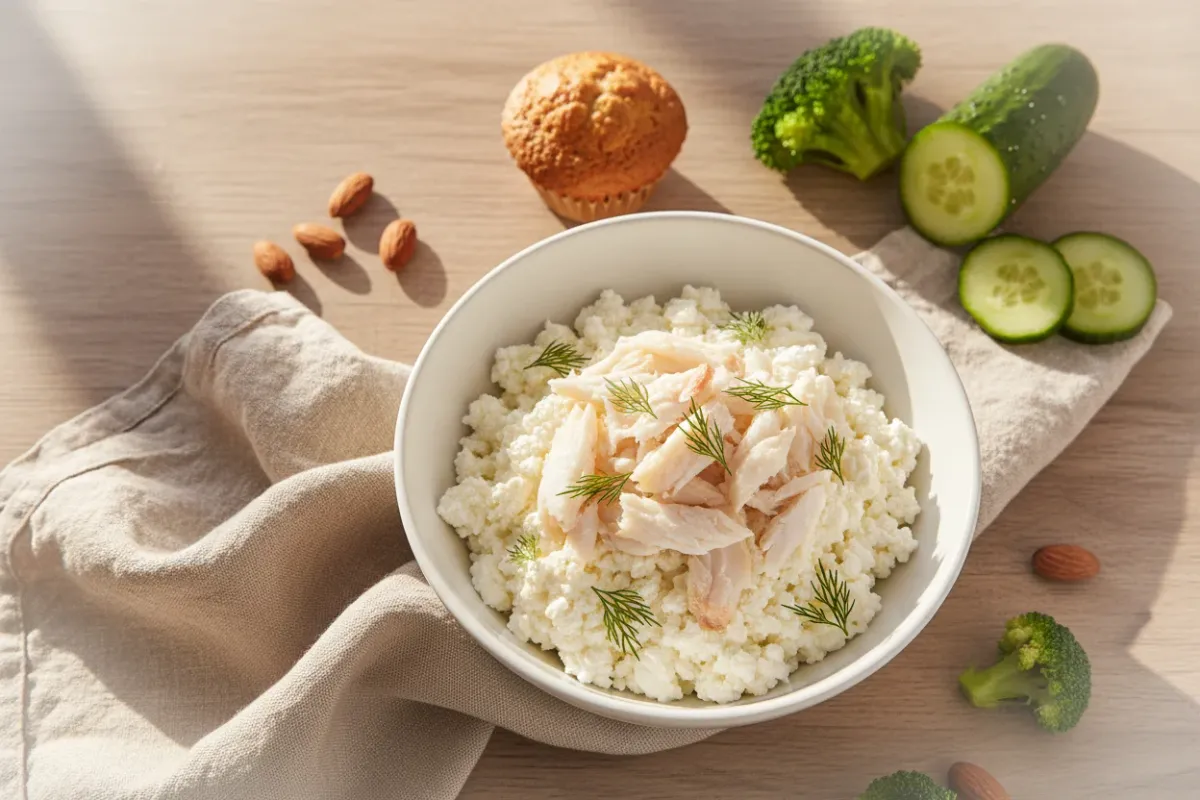
Protein and fiber are two nutrients that work as a team. Protein slows down digestion, while fiber increases the volume of food and feeds beneficial gut bacteria. Together, they produce that feeling of "I ate and forgot about food for 4-5 hours."
According to EatingWell, protein and fiber "play an important role in maintaining satiety, giving meals and snacks greater staying power." Meanwhile, about 93% of American adults fall short of their daily fiber intake — and the situation is no better in Russia.
The recommended fiber intake, according to PMC, ranges from 21 to 38 g per day depending on sex and age. If you divide that across three meals, it comes out to roughly 7-13 g per plate. And 15 g in a single meal is already half the daily requirement, which is especially convenient if lunch or dinner will be lighter.
The story with protein is similar. Mayo Clinic recommends consuming 15-30 g of protein per meal, noting that more than 40 g at once no longer provides additional benefit for muscle protein synthesis. However, if the total daily goal is 120-150 g (which is a reality for those who train actively), then 45 g at a main meal is a perfectly viable strategy, especially if one of the snacks will be lighter.
The Math Behind the Plate: How to Fit It All into 400 Calories
This is where things get interesting. 45 g of protein means 180 calories from protein alone. 15 g of fiber needs to come from carbs and vegetables. And all of this — within roughly 389-400 calories. The task is doable, but it requires the right selection of foods.
Three Pillars of This Plate
Pillar 1: Protein Source with Minimal Fat
- Chicken breast (100 g) — 31 g protein, 165 cal
- Turkey (100 g) — 29 g protein, 157 cal
- Cod or pollock (150 g) — 27 g protein, 115 cal
- Cottage cheese 2% (200 g) — 22 g protein, 120 cal
- Greek yogurt 0% (200 g) — 20 g protein, 114 cal
Pillar 2: Fiber Source That Also Adds Protein
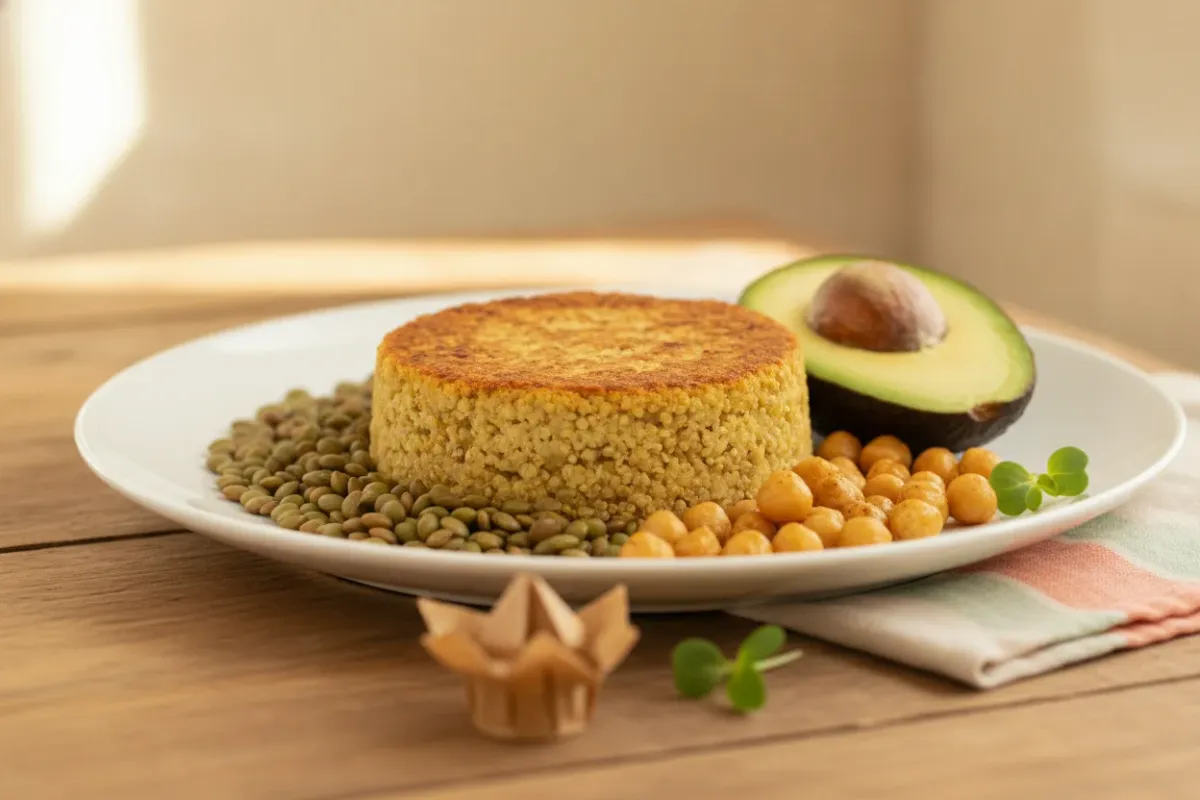
- Black beans (100 g cooked) — 8.7 g protein, 8.7 g fiber, 132 cal
- Lentils (100 g cooked) — 9 g protein, 7.9 g fiber, 116 cal
- Chickpeas (100 g cooked) — 8.9 g protein, 7.6 g fiber, 164 cal
- White beans (100 g cooked) — 7 g protein, 6.3 g fiber, 139 cal
Pillar 3: Vegetables for Volume and Extra Fiber
- Broccoli (150 g) — 4 g protein, 3.9 g fiber, 51 cal
- Boiled artichoke (1 medium) — ~4 g protein, ~10 g fiber, 64 cal
- Spinach (100 g) — 2.9 g protein, 2.2 g fiber, 23 cal
- Green beans (150 g) — 2.7 g protein, 4.5 g fiber, 47 cal
As noted by Feasting at Home, the artichoke is the absolute leader among vegetables with ~10 g of fiber per serving.
The Assembly Formula
Take any item from the first pillar + any from the second + any from the third. Example:
- Chicken breast 120 g: 37 g protein, 198 cal
- Black beans 80 g: 7 g protein, 7 g fiber, 106 cal
- Broccoli 200 g: 5.6 g protein, 5.2 g fiber, 68 cal
- Spices, lemon juice: ~5 cal
Total: ~377 cal, 49.6 g protein, 12.2 g fiber
Add a tablespoon of chia seeds (2 g protein, 5 g fiber, 58 cal) — and you get: 435 cal, 51.6 g protein, 17.2 g fiber. Slightly higher in calories, but both targets are exceeded with room to spare.
Dinner for Breakfast: An Underrated Strategy
Here's a rule that changes your approach to eating: there is no law that says you have to eat "breakfast foods" for breakfast. Oatmeal, toast, and yogurt are wonderful, but trying a chicken and bean stew at 8 AM is not weird — it's a strategy.
Research referenced by Mayo Clinic shows that shifting some protein from dinner to breakfast helps with weight management by reducing hunger and cravings throughout the day.
A typical breakfast — oatmeal or a sandwich — usually provides 10-15 g of protein and 3-5 g of fiber. To reach 45 g of protein, you'd have to add protein powder, eggs, cottage cheese — and you end up with a Frankenstein of foods. What if you simply reheated last night's dinner?
Example: "Dinner-Breakfast" for 389 Calories
Here's a specific plate that fits within 389 calories with 31 g of protein and 8.5 g of fiber:
- Ground turkey (80 g) — 18 g protein, 120 cal
- Cooked lentils (80 g) — 7.2 g protein, 6.3 g fiber, 93 cal
- Tomato sauce with vegetables (100 g) — 2 g protein, 1.5 g fiber, 40 cal
- Fresh spinach (50 g) — 1.4 g protein, 1.1 g fiber, 12 cal
- Feta cheese (20 g) — 2.8 g protein, 53 cal
- Herbs, spices: ~5 cal
Total: ~389 cal, 31.4 g protein, 8.9 g fiber
This is turkey chili with lentils — one of those dishes that only gets better the next day. This very turkey chili recipe is also featured in the collection by The Real Food Dietitians — 33 g protein and 12 g fiber per serving.
To bring this plate up to the coveted 45 g of protein, you can:
- Increase the turkey portion to 130 g (+12 g protein, +60 cal)
- Or add 100 g of 0% Greek yogurt on the side (+10 g protein, +57 cal)
- Or sprinkle on 2 tbsp of pumpkin seeds (+5 g protein, +4 g fiber, +86 cal)
5 Ready-Made Combinations That Work
Combination 1: Salmon and Quinoa Bowl
- Baked salmon (120 g) — 25 g protein, 230 cal
- Quinoa (80 g cooked) — 3.5 g protein, 2.1 g fiber, 96 cal
- Edamame (60 g) — 7 g protein, 3 g fiber, 75 cal
- Cucumber + radish (100 g) — 1 g protein, 1.5 g fiber, 15 cal
- Avocado (30 g) — 0.6 g protein, 2 g fiber, 48 cal
- Sesame seeds (5 g) — 0.9 g protein, 0.6 g fiber, 29 cal
- Soy sauce, ginger: ~10 cal
Total: ~503 cal, 38 g protein, 9.2 g fiber
Slightly higher in calories, but you can remove the avocado and reduce the salmon — or leave it as is for a heartier meal.
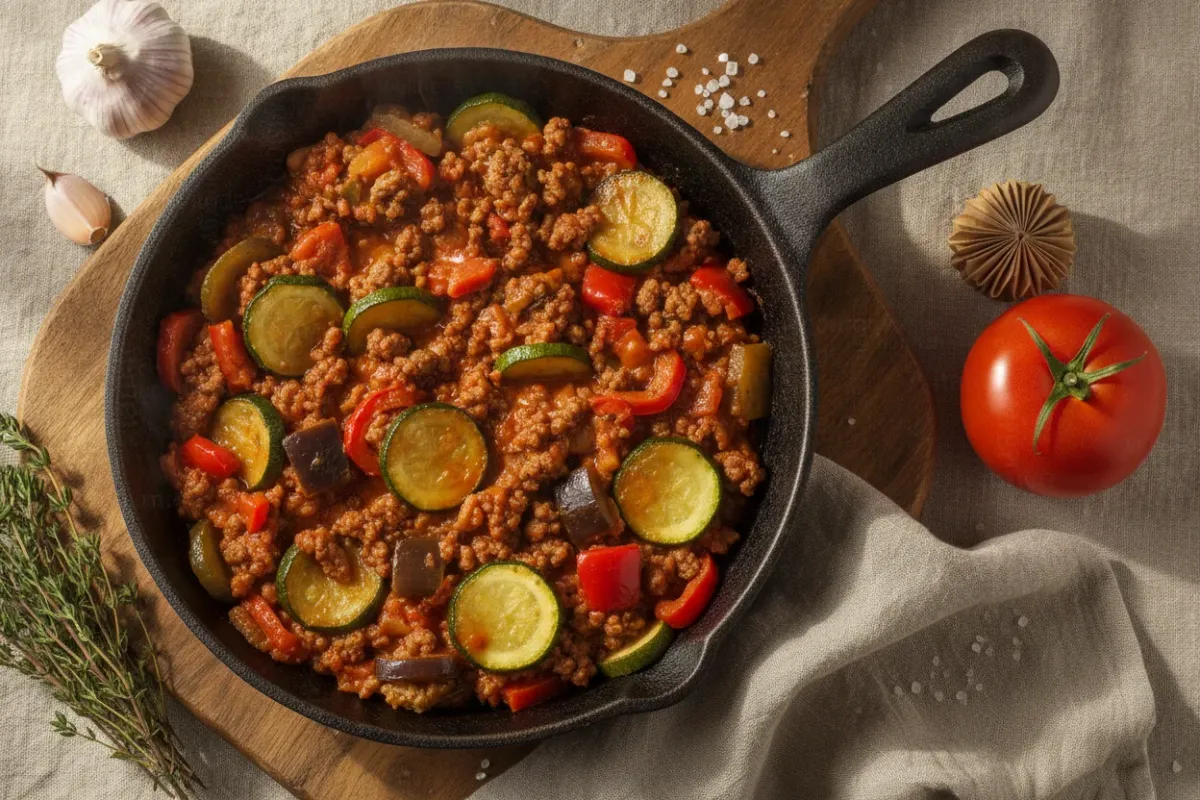
Combination 2: Ground Beef and Black Bean Skillet
Ready in 15 minutes in one pan — perfect for meal prep.
- Lean ground beef 5% fat (100 g) — 21 g protein, 137 cal
- Black beans (100 g cooked) — 8.7 g protein, 8.7 g fiber, 132 cal
- Frozen corn (50 g) — 1.6 g protein, 1.2 g fiber, 43 cal
- Bell pepper (80 g) — 0.8 g protein, 1.3 g fiber, 22 cal
- Canned tomatoes (100 g) — 1 g protein, 1.2 g fiber, 18 cal
- Spices (cumin, paprika, chili): ~5 cal
Total: ~357 cal, 33 g protein, 12.4 g fiber
Add 50 g of Greek yogurt on top (+5 g protein, +28 cal) or 20 g of cheese (+5 g protein, +56 cal) — and the protein goal is within reach. In their collection, The Real Food Dietitians recommend consuming 0.7-1.0 g of protein per pound of body weight daily — and skillets like these help hit that target.
Combination 3: Cottage Cheese Bowl with Berries and Seeds
A great option when you want something light yet nutritious.
- Cottage cheese 2% (250 g) — 27.5 g protein, 150 cal
- Raspberries (100 g) — 1.2 g protein, 6.5 g fiber, 52 cal
- Chia seeds (15 g) — 2.5 g protein, 5.1 g fiber, 73 cal
- Ground flaxseeds (10 g) — 1.8 g protein, 2.7 g fiber, 53 cal
- Protein powder (15 g, half a scoop) — 12 g protein, 58 cal
- Cinnamon: ~2 cal
Total: ~388 cal, 45 g protein, 14.3 g fiber
Nearly a perfect hit. Raspberries are one of the best sources of fiber among berries, and chia and flaxseeds add both omega-3s and texture.
Combination 4: Lentil Bolognese with Chicken
As noted by HealthyHappyLife, lentils are the "MVP of protein and fiber" among legumes.
- Chicken breast (100 g) — 31 g protein, 165 cal
- Red lentils (60 g dry, ~150 g cooked) — 13.5 g protein, 4.7 g fiber, 100 cal
- Tomato paste (30 g) — 1.5 g protein, 1.8 g fiber, 25 cal
- Carrot (50 g) — 0.5 g protein, 1.4 g fiber, 20 cal
- Celery (50 g) — 0.3 g protein, 0.8 g fiber, 7 cal
- Zucchini (80 g) — 1 g protein, 0.8 g fiber, 14 cal
- Garlic, basil, oregano: ~5 cal
Total: ~336 cal, 47.8 g protein, 9.5 g fiber
Add 30 g of whole wheat spaghetti (+1 g fiber, +30 cal) — and you have a complete meal ready for 3-4 days of meal prep. According to Feasting at Home, bulgur ranks first among grains in fiber content (~8 g per cup), so swapping pasta for bulgur would boost the fiber even further.
Combination 5: Baked Sweet Potato with Chickpeas and Egg
- Medium sweet potato (150 g) — 2.4 g protein, 4.5 g fiber, 135 cal
- Chickpeas (80 g cooked) — 7.1 g protein, 6.1 g fiber, 131 cal
- Eggs (2) — 12.6 g protein, 143 cal
- Protein powder mixed into sauce (15 g) — 12 g protein, 58 cal
- Spinach (50 g, sautéed) — 1.4 g protein, 1.1 g fiber, 12 cal
Total: ~479 cal, 35.5 g protein, 11.7 g fiber
Higher in calories than the others, but the sweet potato provides slow carbs and sustained energy. Great for training days.
Practical Hacks for Boosting Fiber
Getting 45 g of protein is usually the easier part — just pick the right source. But with fiber, you have to get creative. Here are proven ways to sneak fiber into any dish:
Chia seeds — 1 tbsp (10 g) = 3.4 g fiber and only 49 cal. Add to yogurt, sauces, smoothies, salads.
Ground flaxseeds — 1 tbsp (10 g) = 2.7 g fiber and 53 cal. Mix into oatmeal, baked goods, ground meat.
Psyllium husk — 1 tsp (5 g) = 4 g fiber and 10 cal. The most calorie-efficient method. Add to water, sauces, protein pancake batter.
Oat bran — 2 tbsp (15 g) = 2.3 g fiber and 37 cal. Mix into ground meat, breading, porridge.
Frozen vegetables — the easiest method. 200 g of frozen broccoli = 5.2 g fiber and 68 cal. Microwave in 3 minutes.
According to EatingWell, a daily calorie plan high in protein and fiber can total around 1,500 calories with a minimum of 80 g protein and 30 g fiber. If you get 15 g of fiber at each of two main meals, the daily requirement is met effortlessly.
Meal Prep: How to Cook for the Week
The most realistic approach is to cook the base on Sunday and assemble plates in 5 minutes.
Step 1: Cook the Base
- A large pot of lentils or black beans (500 g dry → ~1.2 kg cooked)
- Bulgur or quinoa (300 g dry → ~750 g cooked)
Step 2: Prepare the Protein
- Bake 1 kg of chicken breasts with spices
- Or brown 800 g of ground turkey with onion and garlic
Step 3: Chop and Wash the Vegetables
- Break broccoli into florets
- Wash spinach
- Dice peppers and zucchini
Step 4: Assemble the Containers
Each container: 120-130 g protein + 100-120 g legumes + 150-200 g vegetables. Store for 4 days in the fridge, then move to the freezer.
Reheat, add fresh herbs and seeds — and in 3 minutes you have a plate with 40+ g protein and 12+ g fiber on the table.
What to Avoid
Protein bars as a meal replacement. Most contain 20-25 g of protein, but only 1-3 g of fiber. Meanwhile, 200-250 calories go toward sweeteners and fillers. Better to spend those calories on real food.
"Healthy" muesli and granola. They contain less fiber than you'd think (2-4 g per serving), while packing 400-500 calories per 100 g due to oil and sweeteners. For comparison: 100 g of cooked lentils delivers more fiber at just 116 calories. According to PMC, even "high-fiber" cereals contain only 5-12 g of fiber per serving.
Fruit juices. All the fiber has been removed from the fruit, leaving just sugar. A whole orange — 3 g of fiber. A glass of juice — 0 g.
The Simple Principle: Protein + Legumes + Vegetables
You don't need to count every gram or consult charts at every meal. Just remember the formula:
A palm of protein (chicken breast, fish, cottage cheese) → 25-35 g protein
Half a cup of legumes (lentils, beans, chickpeas) → 7-9 g protein + 6-9 g fiber
Two handfuls of vegetables (broccoli, spinach, green beans) → 3-5 g fiber
A tablespoon of seeds (chia, flax) → 2-3 g fiber, bonus protein
As aptly put by HealthyHappyLife: "Choose protein-rich plant foods, and the fiber will take care of itself."
And dinner for breakfast? It's not a hack for the lazy — it's a strategy for those who want to hit their nutrient targets from the very first meal and not think about it for the rest of the day. Try reheating yesterday's chili or stew in the morning — and notice how your energy levels and satiety change before lunch.
Frequently Asked Questions
How do I turn a regular dinner into breakfast to get 45 g of protein and 15 g of fiber under 400 calories?
Cook a double portion in the evening of dishes based on ground meat or chicken with legumes and vegetables. In the morning, simply reheat the container. Turkey chili with lentils, a ground beef and black bean skillet, chicken bolognese — all of these dishes, with the right proportions, fit within 350-420 calories with the target macros.
Which legumes pair best with ground meat for hitting both protein and fiber goals?
Black beans (8.7 g protein + 8.7 g fiber per 100 g) and lentils (9 g protein + 7.9 g fiber) are the leaders. Combined with 100 g of lean ground meat, you get 30+ g protein and 8+ g fiber in a single pan. Add vegetables and seeds — and both targets will be exceeded.
Can you hit 45 g of protein and 15 g of fiber using cottage cheese or Greek yogurt as the base?
Yes, but you'll need to combine. 250 g of 2% cottage cheese provides ~27 g protein, but zero fiber. Add 100 g of raspberries (6.5 g fiber), 15 g of chia seeds (5.1 g fiber), and half a scoop of protein powder (12 g protein) — and you get ~388 calories, 45 g protein, and 14.3 g fiber.
How do I add fiber to a high-protein dish without inflating the calorie count?
The most calorie-efficient fiber sources are: psyllium husk (4 g fiber per teaspoon at 10 cal), frozen broccoli (5.2 g fiber per 200 g at 68 cal), and chia seeds (3.4 g fiber per tablespoon at 49 cal). All three can be added to virtually any dish without changing its flavor.
This article is for informational purposes only and is not medical advice. Consult a doctor or dietitian before making dietary changes.