Lentil and Turkey Meatballs: A Simple Healthy-Eating Recipe
High-protein lentil and turkey meatballs ready in 20 minutes. Nutritious, versatile, and freezer-friendly for effortless meal prep!
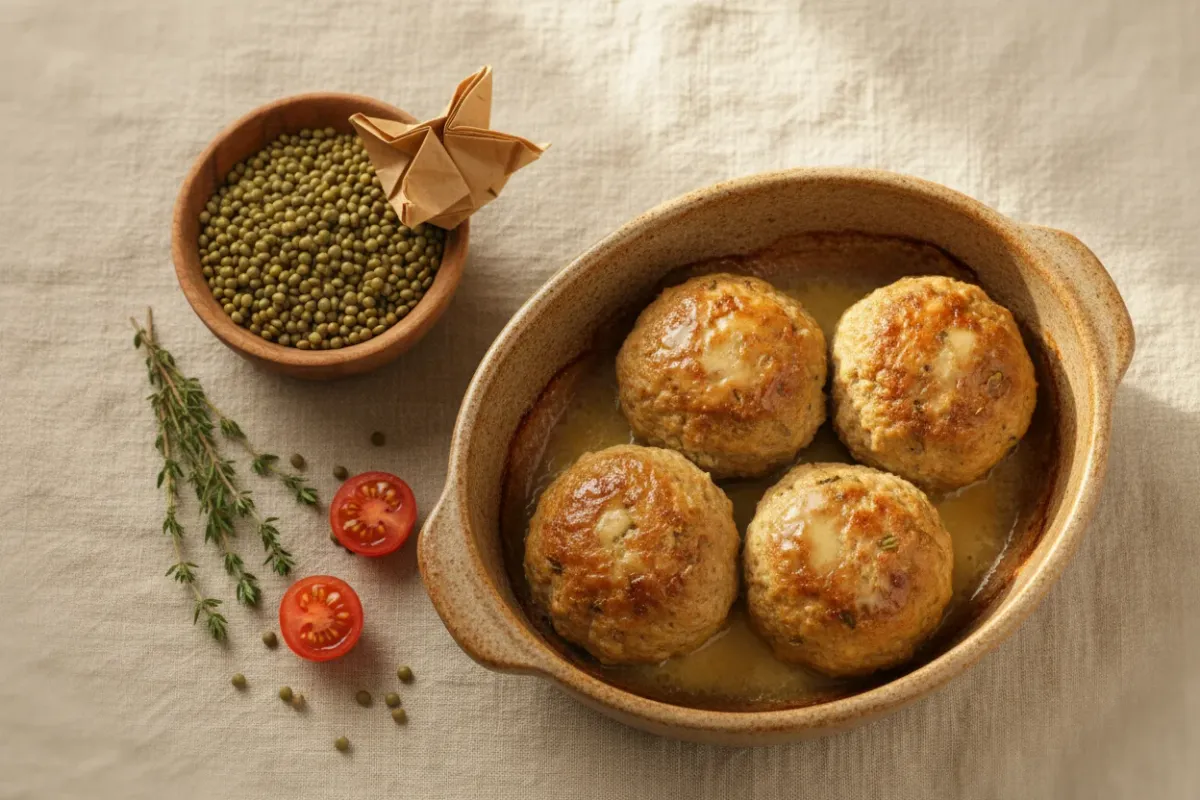
There are recipes you want to save forever. Not because they're complicated or "restaurant-worthy," but because they solve several problems at once: filling, nutritious, quick, and — importantly — delicious. Lentil and ground turkey meatballs are exactly that kind of recipe. Just 20 minutes in the oven, minimal effort, and the result is a complete high-protein dish that you can eat right away, freeze for the week ahead, or turn into the base for five completely different dinners.
Lentils are one of the most underrated ingredients in the arsenal of anyone who watches their diet. And when combined with turkey, they create the perfect balance between lightness and satiety. Let's break down why this duo works so well and prepare a batch of meatballs that will simplify your life for the coming week.
Why Lentils + Turkey Are the Perfect Pair
A Double Punch of Protein
Turkey has long been a staple of healthy eating: lean meat with a high protein content. But ground turkey has one problem — it can be dry and bland. And that's where lentils come to the rescue.
According to WebMD, one cup (about 200 g) of cooked lentils contains 18 g of protein, 16 g of fiber, just 1 g of fat, and 230 calories. They're also an excellent source of iron (37% of the daily value), folic acid, potassium, manganese, and zinc. Lentils rank third among legumes and nuts in protein content per unit of weight — after soybeans and hemp seeds, as noted by Dr. Axe.
When lentils are added to ground turkey, you get a dish with a double serving of protein: animal and plant-based. At the same time, lentils add fiber — something meat lacks entirely. And fiber means a lasting feeling of fullness, a healthy digestive tract, and stable blood sugar levels.
Juiciness Without Extra Fat
As the recipe author at Cuisinicity rightly points out, puréed lentils create a dark, moist, "meaty" texture that makes turkey meatballs indistinguishable from classic beef ones. Even if eating healthy weren't the goal, lentils would be worth adding to turkey purely for culinary reasons: they add moisture and richness to otherwise dry ground meat.
This is an important point for anyone who has struggled with the problem of "dry chicken/turkey patties." Lentils work as a natural moisturizer without adding extra fat.
Savings Without Compromise
Here's another practical argument. As the author of the Imagelicious blog notes, adding lentils to ground meat significantly reduces the cost of the dish: this humble ingredient "stretches" expensive meat without sacrificing taste or nutrition. A bag of dried lentils costs very little but nearly doubles the volume of the dish.
Calorie and Macro Breakdown of Lentil and Turkey Meatballs
Exact values depend on the specific recipe, proportions, and meatball size, but an approximate calculation based on the basic ingredients (ground turkey, cooked lentils, egg, vegetables) looks like this:
Per 1 meatball (~50 g):
| Metric | Value |
|---|---|
| Calories | ~70–80 kcal |
| Protein | ~7–8 g |
| Fat | ~2–3 g |
| Carbs | ~5–6 g |
| Fiber | ~2 g |
Per serving of 4 meatballs (~200 g):
| Metric | Value |
|---|---|
| Calories | ~280–320 kcal |
| Protein | ~28–32 g |
| Fat | ~8–12 g |
| Carbs | ~20–24 g |
For comparison: regular beef meatballs with bread contain around 220–250 kcal per 100 g, with a significant portion of the calories coming from fat. Here, you get a high-protein dish with minimal fat and the bonus of fiber.
Step-by-Step Recipe
Ingredients
For the meatballs (approximately 16–20 pieces):
- 450 g ground turkey
- 450 g cooked lentils (about 200 g dried)
- 1 egg
- 1 small carrot
- 1 small zucchini (optional)
- 2–3 cloves of garlic
- 3 tbsp fresh parsley, finely chopped
- 1 tsp ground cumin
- 1 tsp paprika
- ½ tsp turmeric
- Salt and pepper to taste
- 2–3 tbsp rolled oats or whole-grain breadcrumbs (optional, for a firmer texture)
How to Cook Lentils
If using dried lentils, rinse them, cover with water (1 part lentils to 2.5 parts water), and cook over medium heat. According to WebMD, cooking time depends on the variety: green and brown — 20–30 minutes, red — 15–20 minutes. Lentils are done when they're soft but still hold their shape.
Green or brown lentils work best for meatballs — they retain their texture and don't turn to mush. Black lentils (beluga) also work excellently. The recipe author at Cuisinicity prefers black lentils specifically but emphasizes that brown and French green lentils will also work.
Step 1: Preparing the Vegetables
Preheat the oven to 180 °C. Line a baking sheet with parchment paper.
Grate the carrot and zucchini (if using) on a fine grater or blend them until nearly paste-like. As the Imagelicious blog author discovered through experimentation, coarsely chopped vegetables don't have time to cook through in 20 minutes in the oven — it's better to chop them as finely as possible.
Finely mince the garlic or press it through a garlic press.
Step 2: Mixing
Place the ground turkey in a large bowl. Add the cooked lentils — if you want a more uniform texture, mash some of the lentils with a fork or pulse them in a blender. If you prefer textured meatballs with visible lentil grains — leave them as is.
Add the chopped vegetables, egg, garlic, parsley, and all the spices. If the mixture seems too wet, add rolled oats or breadcrumbs — they'll absorb the excess moisture and act as a binding agent.
Mix with your hands, but don't overdo it — as virtually every source advises, over-mixing makes meatballs tough. Mix just until everything is evenly combined.
Step 3: Shaping
With hands moistened in cold water, shape meatballs about the size of a walnut (approximately 4–5 cm in diameter). The listed ingredients should yield 16–20 pieces. Place them on the prepared baking sheet with a little space between each one.
Kitchen tip: if you have a portion scoop (ice cream scoop) — use it. The meatballs will be uniform in size and will bake evenly.
Step 4: Baking
Bake at 180 °C for 20 minutes. Around the 15-minute mark, you can carefully flip the meatballs — this helps them brown evenly and release excess moisture, especially if zucchini was included.
The finished meatballs should be golden on the outside and fully cooked through on the inside. Internal temperature should be at least 74 °C.
Five Ways to Serve These Meatballs
The main superpower of this recipe is versatility. As the author of the Savory Lotus blog rightly notes, these meatballs are "the epitome of versatility." By preparing one batch on the weekend, you can enjoy a variety of meals throughout the entire work week.
1. With Tomato Sauce and Pasta
A classic. Heat the meatballs in a quality tomato sauce (marinara) for 10–15 minutes. Serve with whole-grain pasta, lentil pasta, or zucchini noodles — depending on your carb goals.
2. Moroccan Style with Vegetables
Sauté onion, garlic, and carrot in olive oil, add cooked lentils and chicken broth, and simmer for 20 minutes. Add the meatballs and diced tomatoes along with fresh herbs — another 10 minutes, and you have a fragrant, hearty dish with notes of cumin and turmeric. This variation is described in detail in the Taste and See recipe — total cooking time is just 35 minutes.
3. Meatball Soup
Simmer your favorite vegetables in broth for 10 minutes, add the meatballs, and heat through. A complete high-protein soup in 15 minutes — perfect for a cold evening.
4. Veggie Bowl
Arrange leafy greens in a bowl, add warm meatballs, avocado, cucumber, cherry tomatoes, and drizzle with a dressing made from olive oil and lemon juice. A quick and balanced lunch.
5. With Baked Sweet Potato
Bake sweet potatoes until tender, cut them in half, and fill with meatballs, sautéed vegetables, and salsa. A filling and elegant dinner with an excellent balance of complex carbs and protein.
Meal Prep: Batch Cooking for the Week
This recipe seems tailor-made for meal prep — preparing food for several days in advance. Here's how to organize the process as efficiently as possible.
Freezing
Lentil and turkey meatballs freeze beautifully. As the author at Imagelicious confirms, she regularly makes a large batch, freezes some, and uses the rest throughout the week in different recipes. This allows you to spend a little time on the weekend and enjoy delicious meals all week long.
How to freeze properly:
- Let the cooked meatballs cool completely.
- Arrange them in a single layer on a baking sheet or cutting board — this prevents them from sticking together.
- Freeze for 1–2 hours.
- Transfer to a zip-lock bag or container, removing as much air as possible.
- Store for up to 3 months.
How to thaw:
- In the refrigerator overnight — the safest method.
- Reheat in sauce straight from frozen — warm over medium heat for 10–15 minutes until the meatballs are heated all the way through.
- In the microwave on the defrost setting.
Refrigerator Storage
Cooked meatballs keep in the refrigerator for 4–5 days in a sealed container. This means one Sunday cooking session covers lunches and dinners through Wednesday or Thursday.
Recipe Variations
The base recipe is a starting point. Here are a few directions for experimentation.
Adding Vegetables
The author of the Savory Lotus blog makes "loaded veggie" meatballs by adding broccoli, kale, and carrot. This is a great way to sneak more vegetables into your diet — especially if you have picky eaters at home. Spinach, grated zucchini, and finely diced bell pepper all hide beautifully in meatballs.
Gluten-Free Version
Instead of breadcrumbs, you can use rolled oats — as in the Menu Musings recipe, where the author uses oats specifically to keep the recipe gluten-free and notes that oats add a pleasant texture and help stabilize blood sugar. Coconut flour or almond flour also work for a paleo version.
Spice Variations
- Italian style: basil, oregano, dried garlic.
- Moroccan style: cumin, paprika, turmeric, a pinch of cloves and cayenne pepper.
- Asian style: ginger, soy sauce, sesame oil.
- Mediterranean style: fresh mint, lemon zest, dried thyme.
For Baby Food
Interestingly, lentil and turkey meatballs are even recommended as one of the first foods for introducing solids. As dietitian Sarah Remmer notes on her website, both ingredients are rich in protein and iron — key nutrients for a growing baby. The size and texture of the meatballs are ideal for a child who is learning to eat independently. For the baby-friendly version, simply omit the spicy seasonings and salt.
Secrets to Perfect Meatballs
A few nuances that separate "just okay" meatballs from truly delicious ones.
Don't Over-Mix
This rule is repeated in every professional recipe. Over-mixing the meat activates proteins, making the meatballs dense and "rubbery." Mix until just combined — then stop.
Wet Your Hands
While shaping, periodically dip your hands in cold water — the meat won't stick, and the meatballs will come out smoother.
The 1:1 Ratio
The optimal proportion is equal parts ground meat and cooked lentils by weight. The author at Imagelicious experimented with different ratios and concluded that 450 g of cooked lentils to 450 g of ground turkey yields a meaty flavor, pleasant texture, and juiciness.
Don't Skip the Parchment
Baking on parchment paper or a silicone mat prevents sticking and simplifies cleanup. No oil means no extra calories.
How to Fit Meatballs Into Your Diet
Four meatballs (a serving of ~200 g) is approximately 300 kcal and 30 g of protein. Here's what that might look like in a daily meal plan:
| Meal | Dish | Kcal |
|---|---|---|
| Breakfast | Oatmeal with berries and nuts | ~350 |
| Lunch | 4 meatballs + fresh vegetable salad + whole-grain bread | ~450 |
| Snack | Protein bar or cottage cheese with fruit | ~200 |
| Dinner | 4 meatballs in tomato sauce + roasted vegetables | ~400 |
Total: ~1400 kcal — suitable for those in the process of losing weight. For maintenance — increase the side dishes and add a second snack.
Frequently Asked Questions
Can I use canned lentils?
Yes, this is a great way to save time. Simply drain the liquid and rinse the lentils. Keep in mind that canned lentils may contain added salt — adjust the amount of salt in the recipe accordingly. As the author at Cuisinicity notes, you can use organic canned lentils, but you need to account for the added salt and reduce the amount in the recipe itself.
Does the type of lentil affect the result?
Yes, and significantly. Green and brown lentils hold their shape better and provide a pleasant texture. Red lentils cook down faster and turn into a purée — meatballs made with them will be smoother, which isn't necessarily bad, but the texture will be different. Black lentils (beluga) are a premium option that hold their shape excellently.
Can I substitute the egg with a plant-based alternative?
Yes. Sarah Remmer confirms that you can use a chia or flax "egg" (1 tbsp seeds + 3 tbsp water, let it gel for 5 minutes). Another option is ¼ cup egg whites instead of one whole egg.
Do these meatballs freeze well?
Excellently. This is one of the main advantages of the recipe. The meatballs retain their texture and flavor after freezing. Many recipe authors, including at Imagelicious, specifically recommend making a large batch precisely for freezing and using throughout the week.
How do I prevent turkey meatballs from being dry?
The main secret of this recipe is that the lentils themselves solve the dryness problem — they retain moisture and make the meatballs juicy without adding extra fat. Additional helpers: grated zucchini (which releases moisture during baking), not over-mixing the meat, and not overbaking — 20 minutes at 180 °C is enough.
This article is for informational purposes only and is not medical advice. Consult a doctor or dietitian before making dietary changes.