Pancakes with 53 g of Protein and Only 350 kcal
High-protein pancakes with 53g protein and only 350 calories. This Reddit recipe proves guilt-free breakfast can be fluffy, delicious, and satisfying.
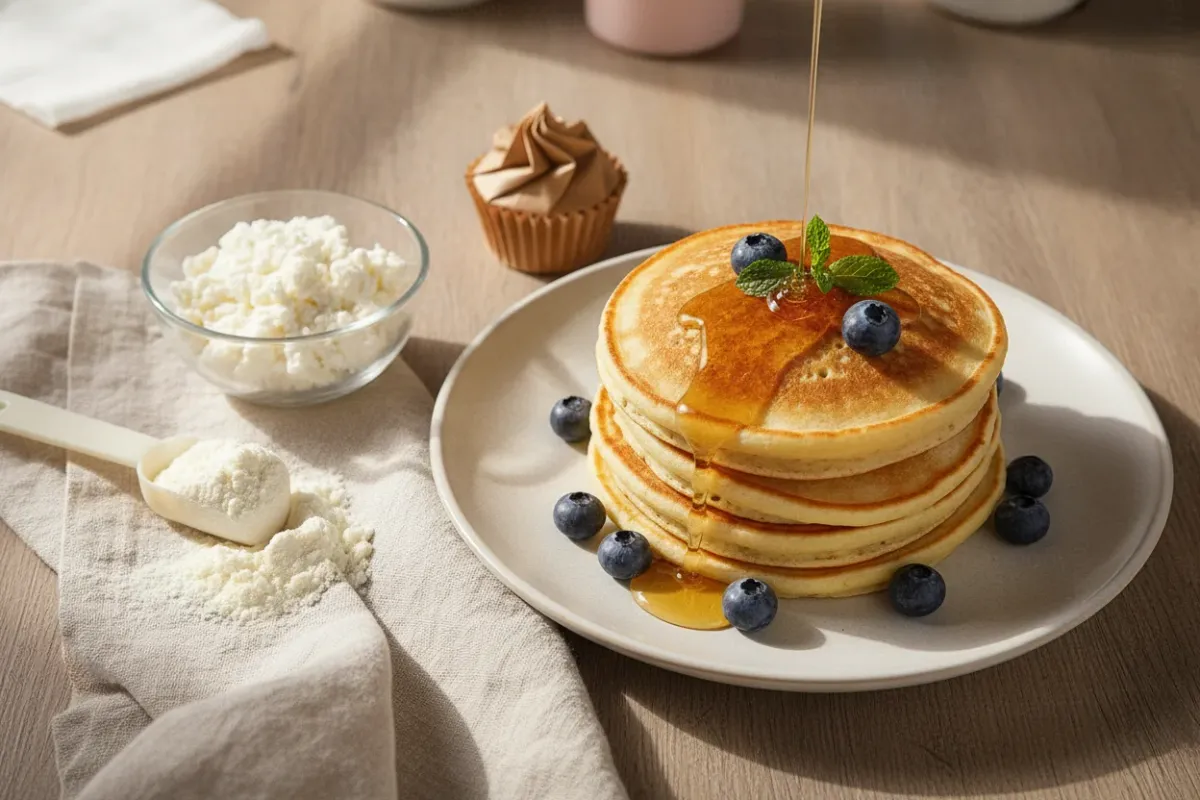
A stack of fluffy pancakes is usually associated with a day off, syrup, and a faint sense of guilt. But there's a version that flips this logic on its head: one hearty serving contains around 350 kcal and a whole 53 grams of protein. That's as much protein as in two medium chicken breasts — only in the form of a warm, soft breakfast that melts in your mouth. The recipe came from a fitness community on Reddit (the author is user keberch, who signed off with "I'm stuffed"), and it quickly spread precisely because of that almost indecent ratio of protein to calories.
Let's figure out why such pancakes work, what they're actually made of, and how to recreate them at home without a culinary degree.
Why 53 g of Protein for 350 kcal Isn't Magic, but Arithmetic
The main secret hides in the ratio. To understand how unusual it is, it's enough to compare it with the classics: ordinary pancakes made with milk, flour, and butter come to about 350–400 kcal per serving, but they barely scrape together 8–10 grams of protein. Almost all the energy goes into carbs and fat.
Here, three simple facts are at work:
- Protein is the "lightest" macronutrient in terms of calories relative to satiety. One gram of protein has just 4 kcal — the same as a gram of carbs, and half as much as a gram of fat (9 kcal). 53 grams of protein provide about 212 kcal — meaning more than half of the serving's entire energy value comes precisely from protein, rather than from "empty" calories.
- Protein keeps you full longer. The body spends noticeably more energy digesting protein than it does digesting fats and carbs, and it raises blood sugar more slowly. That's why after a breakfast like this you won't be reaching for a snack within the hour. A detailed breakdown of protein's role in the diet is available from the Harvard School of Public Health.
- A high-protein breakfast helps you hit your daily target. An active person is usually advised to get 1.2–2 grams of protein per kilogram of body weight per day, whereas the baseline for a sedentary adult is around 0.8 g/kg (a benchmark from the World Health Organization on healthy eating). For a person weighing 70 kg who trains, that's 85–140 grams of protein a day. One breakfast like this covers nearly half the minimum threshold — before lunch even arrives.
In other words, the pancakes don't "cheat" physics: they're simply built around ingredients that are high in protein and low in calories. No miracle supplements.
How the Recipe Works: A Breakdown of the Ingredients
The whole construction rests on three pillars. None of them was chosen by accident — each has its own role in the texture and in the macros.
Egg Whites — the Base and the "Glue"
The main building material is the whites specifically, not whole eggs. This is fundamental: nearly all the fat and most of an egg's calories hide in the yolk, whereas the white is almost pure protein. About 200 grams of egg whites (6–7 of them) provide roughly 100 kcal and 22 grams of protein with practically zero fat.
The whites do double duty: they load the serving with protein and at the same time bind the batter, taking the place of some of the flour. That's exactly why the pancakes turn out tender rather than rubbery, despite the minimal carbs.
Protein Powder — a Protein Concentrate
The second pillar is a scoop (about 30 g) of whey protein. This adds another roughly 24 grams of protein at 110–120 kcal. The choice of powder affects the result more than it might seem:
- Whey protein yields a lighter, airier batter and is absorbed quickly — ideal for a post-workout breakfast.
- Casein makes the pancakes denser and "creamier" and keeps you full longer, but it requires a bit more liquid in the batter.
- Plant-based protein (pea, rice) suits those who don't eat dairy, but the batter with it is usually drier — it's worth adding a spoonful of plant milk.
The powder's flavor sets the character of the whole dish: vanilla is the neutral classic, chocolate turns breakfast into almost a dessert, and salted caramel pairs wonderfully with berries. It's convenient to check the real protein and calorie content of a specific product against the USDA FoodData Central database — it gathers precise data on thousands of ingredients.
Oat Flour — Structure and "Authenticity"
For the pancakes to be actual pancakes and not an omelet, you need a base of slow carbs. About 35 grams of oat flour (simply oat flakes ground in a coffee grinder or blender) add structure, a light nutty flavor, and about 130 kcal with 22 grams of complex carbs. Oats provide fiber and that very "bready" framework that holds the air bubbles during frying.
For a keto version, the oat flour is swapped for almond or coconut flour — the carbs drop several times over, but the batter turns out more crumbly, and the pancakes need to be flipped more carefully.
The Final Macros of a Serving
If you put it all together, an average serving looks like this (the values are approximate — they depend on the protein brand and the exact weight):
- Calories: ~350 kcal
- Protein: ~53 g
- Fat: ~5 g
- Carbs: ~26 g
Plus baking powder, a pinch of salt, vanilla, and sweetener to taste — they barely affect the macros, but they're what's responsible for the fluffiness and aroma. Without baking powder the pancakes will come out flat like crepes, so it's not worth skimping on it.
How It's Made: The Process Step by Step
The technique is simple, but a couple of nuances separate a perfect stack from a scorched lump.
- Mix the dry ingredients. Combine the oat flour, protein powder, baking powder, and a pinch of salt in a bowl. This gives an even rise — the baking powder shouldn't clump together in one spot.
- Add the whites. Pour in the egg whites and stir thoroughly until smooth. The batter should resemble thick sour cream. If it's too dense (caseins love to soak up liquid), add a spoonful or two of water or plant milk.
- Let the batter rest for 5 minutes. During this time the oats absorb the moisture and swell, and the batter thickens — the pancakes will turn out fluffier. This step is often skipped, and for no good reason.
- Fry over medium heat with no oil or a touch of cooking spray. High heat is the main enemy of protein pancakes: the powder and egg white burn faster than ordinary flour. It's better to cook a little longer over moderate heat than to end up with a dark crust and a raw middle.
- Flip when the bubbles appear. As soon as bubbles form on the surface and start to pop, and the edges have set — it's time. Protein batter is more fragile than the classic kind, so it's best to flip with a wide spatula in one confident motion.
The amounts given usually yield 4–5 small pancakes — that's one full breakfast serving.
What to Add Without Wrecking the Balance
The pancakes are already filling on their own, but the finishing touches turn them into a dream breakfast. The main thing is to make sure the toppings don't turn 350 kcal into 700.
- Berries (blueberries, raspberries, strawberries) — about 30–50 kcal per handful and maximum flavor and antioxidants.
- Greek yogurt at 2–5% instead of syrup — it adds another 5–8 grams of protein and a creamy texture.
- Sugar-free syrup or a drop of real maple — if you really crave sweetness.
- A spoonful of peanut butter — tasty, but be careful: that's +90–100 kcal and noticeable fat, so the overall macros shift considerably.
The perfect companion to a breakfast like this is black coffee or unsweetened tea. And if you want a dessert-style presentation, chocolate protein plus berries and a spoonful of yogurt give the full sensation of a cake for breakfast — and therein lies the philosophy of mindful eating without the fanaticism: delicious, beautiful, and within your goal.
Great for Meal Prep — and Not Just for Athletes
A separate plus of the recipe is that it gets along with planning. Finished pancakes keep wonderfully in the fridge for 2–3 days and survive freezing easily: just warm them up in a toaster or a dry pan, and the texture barely suffers. You can mix up a double batch on Sunday and set yourself up with a quick high-protein breakfast for half the week.
And an important point: pancakes like these aren't only for those "cutting" for summer. A high-protein breakfast with clear macros is good for anyone who wants to stay full longer, avoid caving to snacks, and calmly maintain their weight without harsh diets. This isn't a story about restrictions, but about making familiar food work for you.
Try It Yourself
The most honest thing about this recipe is that you can't "ruin" it with complicated techniques: mix, let it sit, fry. No mixers, no rare ingredients, just egg whites, a scoop of protein, and a handful of ground oats. And the result is a warm stack of pancakes with 53 grams of protein at 350 kcal that covers half your daily protein target before you've even opened your laptop.
Put together your own version this weekend: pick your favorite protein flavor, add a handful of berries — and see how a high-protein breakfast changes the feel of the whole day. And once you find the perfect combination of toppings for yourself, share it — the best discoveries in healthy eating are always born in the kitchen.
This article is for informational purposes only and is not medical advice. Consult a doctor or dietitian before making dietary changes.