The Most Beneficial Vegetables for Healthy Eating: A Complete Guide to Calories & Macros
Discover which vegetables are truly beneficial for healthy eating. Complete guide with calorie data, macro breakdowns & science-backed nutrition facts.
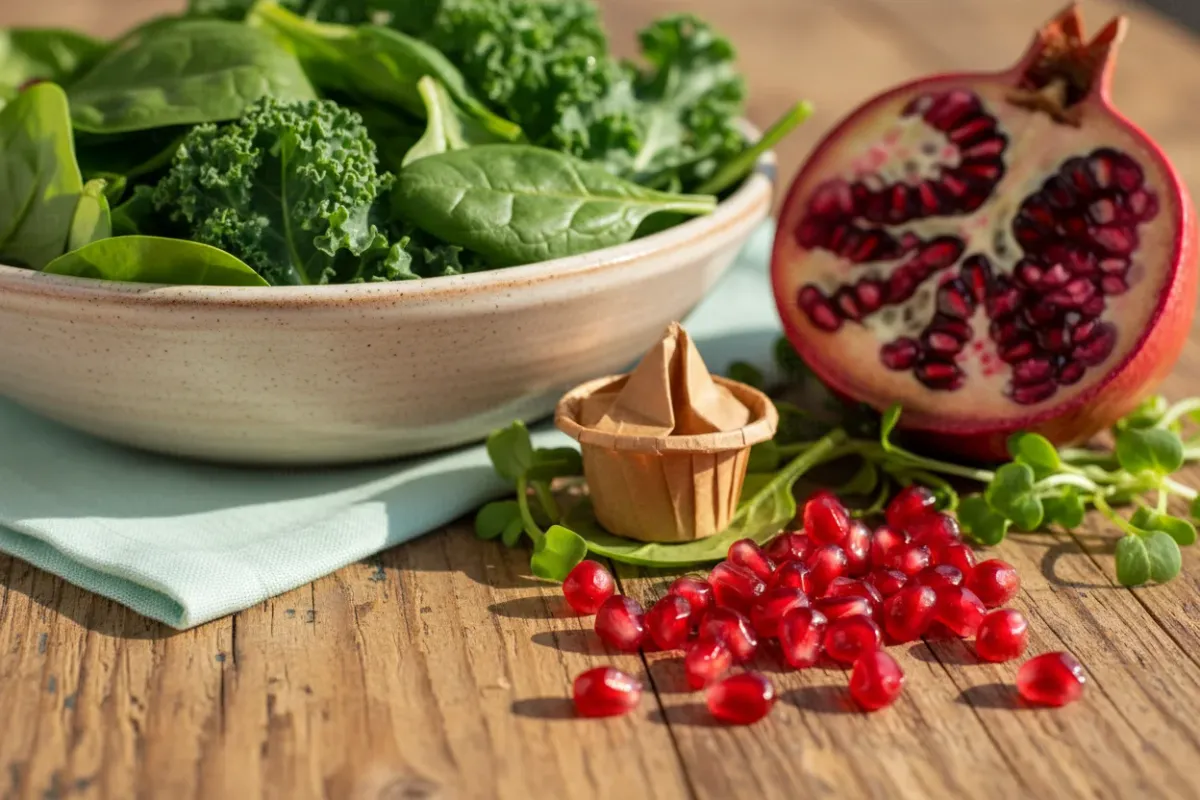
Vegetables are not just a side dish you eat "to check a box." They are a real superpower for those who watch their diet, count calories, or want to lose weight without going hungry. But which vegetables truly deserve a place on your plate? Let's break it down — with numbers, facts, and specific recommendations.
Why Vegetables Are the Foundation of Any Healthy Diet
The American Heart Association recommends eating at least four servings of vegetables every day to reduce the risk of chronic diseases — diabetes, stroke, and cardiovascular problems. And these are not just general words: according to the Harvard School of Public Health, people who consume 8 or more servings of vegetables and fruits per day are 30% less likely to have a heart attack or stroke compared to those who eat fewer than 1.5 servings.
At the same time, more than 40% of adults complain of constant fatigue throughout the day. One of the reasons is a deficiency of iron, magnesium, and B vitamins, which are found in abundance in dark leafy greens: spinach, kale, and Swiss chard. As specialists from UCF Health note, it is precisely these nutrients that help maintain normal energy levels.
And vegetables are also the best friend of those who count calories. They allow you to eat more in volume while staying within a low calorie range, and they keep you feeling full longer. For everyone accustomed to tracking calories and macros, this is a real discovery.
The Most Beneficial Vegetables: A Detailed Breakdown by Category
Not all vegetables are equally nutritious. To build a truly balanced diet, it's worth understanding which groups of vegetables are responsible for what and what their nutritional value is.
Leafy Greens — Champions of Nutrient Density
If there were a ranking of vegetable superstars, leafy greens would occupy all the top spots. According to a list published by the U.S. Centers for Disease Control and Prevention (CDC), the five most nutrient-dense vegetables are watercress, Chinese cabbage, Swiss chard, beet greens, and spinach. As dietitian Rachel O'Connor from NewYork-Presbyterian Hospital explains, regularly including these vegetables in your diet helps reduce the risk of cardiovascular disease, type 2 diabetes, and obesity.
Spinach is one of the most versatile leafy vegetables. It is an excellent source of calcium, iron, vitamins, and antioxidants. Its calories and macros per 100 g:
| Calories | Protein | Fat | Carbs | Fiber |
|---|---|---|---|---|
| 23 kcal | 2.9 g | 0.4 g | 3.6 g | 2.2 g |
Spinach fits perfectly into smoothies, omelets, salads, and even desserts — spinach pancakes or green muffins have long become classics of healthy cooking.
Research from the Harvard T.H. Chan School of Public Health shows that green leafy vegetables (lettuce, spinach, Swiss chard, mustard greens) are most strongly associated with a reduced risk of cardiovascular disease. This is not just healthy food — it is an investment in your health.
Kale (curly kale) is another favorite among greens. Calories and macros per 100 g:
| Calories | Protein | Fat | Carbs | Fiber |
|---|---|---|---|---|
| 49 kcal | 4.3 g | 0.9 g | 8.8 g | 3.6 g |
Kale contains an impressive amount of vitamin K, vitamin C, and beta-carotene. It makes excellent chips (simply dry them in the oven with a drop of olive oil and salt) — a crunchy snack with minimal calories.
Cruciferous Vegetables — Nature's Shield for Your Body
This group includes broccoli, cauliflower, white cabbage, Brussels sprouts, bok choy, and kale. According to the Harvard School of Public Health, cruciferous vegetables and citrus fruits make a particularly important contribution to the prevention of cardiovascular disease.
Even more interesting are the data from the National Cancer Institute (NCI): animal studies have shown that certain compounds in cruciferous vegetables can inhibit cancer development in several organs, including the bladder, breast, liver, and stomach.
Broccoli is the absolute leader in the ratio of benefits to calories. One cup (about 91 g) contains only 30 calories. Calories and macros per 100 g:
| Calories | Protein | Fat | Carbs | Fiber |
|---|---|---|---|---|
| 34 kcal | 2.8 g | 0.4 g | 6.6 g | 2.6 g |
Broccoli contains significant amounts of vitamin C, vitamin K, and folic acid. In healthy recipes, this vegetable is indispensable: broccoli puree can be added to pancake batter, sauces, and even protein muffins — the calorie count barely changes, while the nutritional value soars.
Cauliflower has become a true trend in the world of healthy eating — and deservedly so. Calories and macros per 100 g:
| Calories | Protein | Fat | Carbs | Fiber |
|---|---|---|---|---|
| 25 kcal | 1.9 g | 0.3 g | 5.0 g | 2.0 g |
Cauliflower is used to make "rice," pizza crust, mashed "potatoes," and even battered "wings." It is the ideal vegetable for those who want to cut carbs without feeling deprived.
Bell pepper is another low-calorie champion. According to the CDC, one cup of bell pepper contains only 30 calories. Calories and macros per 100 g:
| Calories | Protein | Fat | Carbs | Fiber |
|---|---|---|---|---|
| 27 kcal | 1.0 g | 0.3 g | 6.3 g | 2.1 g |
Red pepper is especially rich in vitamin C — it contains more of it than an orange. Sliced into strips, it is perfect for snacking with hummus or a cottage cheese dip.
Root Vegetables — Energy from Underground
Root vegetables are often unfairly overlooked by those watching their weight. Yes, they are more calorie-dense than leafy greens, but they provide important nutrients and are excellent at keeping you satisfied.
Carrots are a true treasure trove of vitamin A. Each cup of chopped carrots contains 52.5 calories and more than four times the daily value of vitamin A in the form of beta-carotene. Calories and macros per 100 g:
| Calories | Protein | Fat | Carbs | Fiber |
|---|---|---|---|---|
| 41 kcal | 0.9 g | 0.2 g | 9.6 g | 2.8 g |
Carrots are a universal ingredient in healthy baking. Carrot cupcakes, carrot cake made with erythritol, carrot fritters — this vegetable adds natural sweetness and moisture, allowing you to reduce the amount of sugar and oil in a recipe.
Beets are not just a colorful vegetable for salads. Beets contain the antioxidant alpha-lipoic acid, which, as specialists note, may be beneficial for people with diabetic neuropathy. Calories and macros per 100 g:
| Calories | Protein | Fat | Carbs | Fiber |
|---|---|---|---|---|
| 43 kcal | 1.6 g | 0.2 g | 9.6 g | 2.8 g |
Beet lattes, beet protein pancakes, beet hummus — this vegetable opens up endless possibilities for culinary experiments while coloring dishes an appetizing pink without artificial dyes.
An important note: experts from Harvard recommend choosing other vegetables over potatoes, since potatoes contain rapidly digested carbohydrates, while other vegetables contain slower-digesting ones that do not cause sharp spikes in blood sugar.
Legumes and Green Beans — Plant-Based Protein
This group is especially valuable for those who are increasing the share of plant-based protein in their diet.
Green peas are one of the most calorie-dense vegetables, but also one of the most nutritious. According to Medical News Today, a cup of cooked peas contains 134 calories and is rich in a multitude of nutrients. Calories and macros per 100 g:
| Calories | Protein | Fat | Carbs | Fiber |
|---|---|---|---|---|
| 81 kcal | 5.4 g | 0.4 g | 14.5 g | 5.7 g |
Note the protein content — nearly 5.5 g per 100 g. For a vegetable, this is an outstanding figure. Peas are an excellent addition to protein bowls and cream soups.
Green beans are one of the leaders in low calorie content among legumes. A cup of steamed green beans contains only 44 calories. Calories and macros per 100 g:
| Calories | Protein | Fat | Carbs | Fiber |
|---|---|---|---|---|
| 31 kcal | 1.8 g | 0.1 g | 7.0 g | 3.4 g |
Green beans are the ideal everyday side dish: minimal calories, pleasant texture, quick preparation.
How to Add More Vegetables to Your Diet: Practical Strategies
Knowing about the benefits of vegetables is one thing. Actually eating enough of them is quite another. Here are specific ways to increase your vegetable intake without radical changes to your habits.
The Substitution Strategy
Specialists from the CDC suggest a simple but effective approach:
- In soups: replace 60 g of meat or a cup of noodles with a cup of chopped vegetables — broccoli, carrots, beans, or red pepper
- At dinner: replace a cup of rice or pasta with a cup of vegetables — broccoli, zucchini, or peppers
Such a simple substitution can save a significant number of calories per meal, while adding fiber and vitamins.
The "Half the Plate" Strategy
The classic rule: fill half your plate with vegetables at every meal. With a 400 g portion of food, that's about 200 g of vegetables — and that's only 50–80 kcal if we're talking about non-starchy vegetables.
Vegetables as Snacks
Instead of the usual cookies or dried fruits, you can try:
- Carrot and celery sticks with a protein dip
- Kale or beet chips
- Mini peppers with a cottage cheese filling
- Cucumbers with hummus
Each such snack is 50–100 kcal instead of 300–400 kcal from typical snacks, and it provides genuine satiety.
Vegetables in Baking and Desserts
For readers who love healthy baking, vegetables open up a whole world of possibilities:
- Zucchini muffins — grated zucchini makes the batter incredibly moist without extra oil
- Carrot cake with erythritol and protein frosting — a classic of healthy baking
- Beet brownies — beets give a rich color and natural sweetness
- Spinach pancakes — a beautiful green color and an extra dose of iron
- Pumpkin pancakes — a tender texture and beta-carotene in every bite
In each of these recipes, vegetables don't just "hide" in the batter — they genuinely improve the texture, reduce the calorie count, and add micronutrients.
Fresh, Frozen, or Canned: What to Choose
A common question: do frozen vegetables lose their benefits? The short answer is practically no. Frozen vegetables are often harvested and frozen at peak ripeness, when nutrient content is at its highest.
However, the CDC recommends paying attention to the ingredients when choosing frozen or canned vegetables: choose options without added sugar, syrup, cream sauces, or other ingredients that increase the calorie count. Plain frozen vegetables without additives deliver virtually the same nutrients as fresh ones, but with a longer shelf life and often at a more affordable price.
For meal prep, frozen vegetables are a real lifesaver. You can always keep broccoli, green beans, spinach, and a stir-fry mix in the freezer so that at any moment you can prepare a complete side dish in 5–7 minutes.
Vegetables and Weight Loss: Why It Works
The mechanism is simple and clear: non-starchy vegetables have a low glycemic index, meaning they do not cause sharp spikes in blood sugar. According to researchers from Harvard, consuming non-starchy vegetables and fruits (apples, pears, green leafy vegetables) can promote weight loss precisely because of their low glycemic load.
Here is a clear comparison of calories per 100 g:
| Product | Calories | Fiber |
|---|---|---|
| Broccoli | 34 kcal | 2.6 g |
| Bell pepper | 27 kcal | 2.1 g |
| Spinach | 23 kcal | 2.2 g |
| Cauliflower | 25 kcal | 2.0 g |
| White rice (cooked) | 130 kcal | 0.4 g |
| Pasta (cooked) | 131 kcal | 1.8 g |
The difference is striking: vegetables provide 4–5 times fewer calories with significantly more fiber. This means a greater volume of food, greater satiety, and fewer calories — the perfect formula for a comfortable calorie deficit.
Top 10 Vegetables for a Healthy Diet: Summary Table
For convenience — a summary table with calories and macros of the most beneficial and accessible vegetables (per 100 g raw):
| Vegetable | Kcal | Protein | Fat | Carbs | Key Bonus |
|---|---|---|---|---|---|
| Spinach | 23 | 2.9 | 0.4 | 3.6 | Iron, calcium, antioxidants |
| Broccoli | 34 | 2.8 | 0.4 | 6.6 | Vitamin C, anti-cancer compounds |
| Cauliflower | 25 | 1.9 | 0.3 | 5.0 | Carb substitute, versatility |
| Bell pepper | 27 | 1.0 | 0.3 | 6.3 | Vitamin C, beta-carotene |
| Green beans | 31 | 1.8 | 0.1 | 7.0 | Fiber with minimal calories |
| Kale | 49 | 4.3 | 0.9 | 8.8 | Vitamin K, antioxidants |
| Carrots | 41 | 0.9 | 0.2 | 9.6 | 4× daily value of vitamin A |
| Beets | 43 | 1.6 | 0.2 | 9.6 | Alpha-lipoic acid |
| Green peas | 81 | 5.4 | 0.4 | 14.5 | Plant-based protein |
| Zucchini | 17 | 1.2 | 0.3 | 3.1 | Minimal calories, ideal for baking |
Simple Rules for Every Day
You don't need to memorize all the numbers and try to eat all 10 vegetables in one day. It's enough to follow a few simple principles:
Color variety. Each color of vegetable represents a specific group of phytonutrients. Green ones provide chlorophyll and folic acid, orange ones — beta-carotene, red ones — lycopene, purple ones — anthocyanins. The more colors on your plate, the wider the spectrum of benefits.
Minimal processing. The less heat treatment, the more vitamins are preserved. Steaming, quick blanching, or roasting are preferable to prolonged boiling. Many vegetables (peppers, carrots, spinach, cucumbers) are wonderful raw.
Consistency matters more than quantity. It's better to eat 2–3 servings of vegetables every day than to have a "vegetable marathon" once a week. Habits are built through consistency.
Don't be afraid to experiment. Swiss chard, watercress, Chinese cabbage, beet greens — many of the most nutritious vegetables according to the CDC rarely appear on a typical menu. Try adding at least one new vegetable per week.
Give It a Try
Vegetables are not a boring obligation or a side dish eaten "for health's sake." They are a powerful tool for those who want to eat deliciously, feel satisfied, and still stay within their calorie goals. A cup of broccoli at 30 kcal or a cup of bell pepper at the same 30 kcal — that is practically "free" food in terms of calories and macros, but with an enormous return in vitamins and minerals.
Start small: add a serving of leafy greens to your breakfast, replace part of your side dish with vegetables at lunch, try a vegetable snack instead of cookies. And if you're craving something truly delicious — a carrot cake or beet brownies will prove that vegetables and desserts get along beautifully.
This article is for informational purposes only and is not medical advice. Consult a doctor or dietitian before making dietary changes.