Side Dishes That Turn a Modest Meal Into a Complete Lunch
Transform modest meals into complete, satisfying lunches using the right side dishes. Stretch your budget and create nutritionally balanced meals.
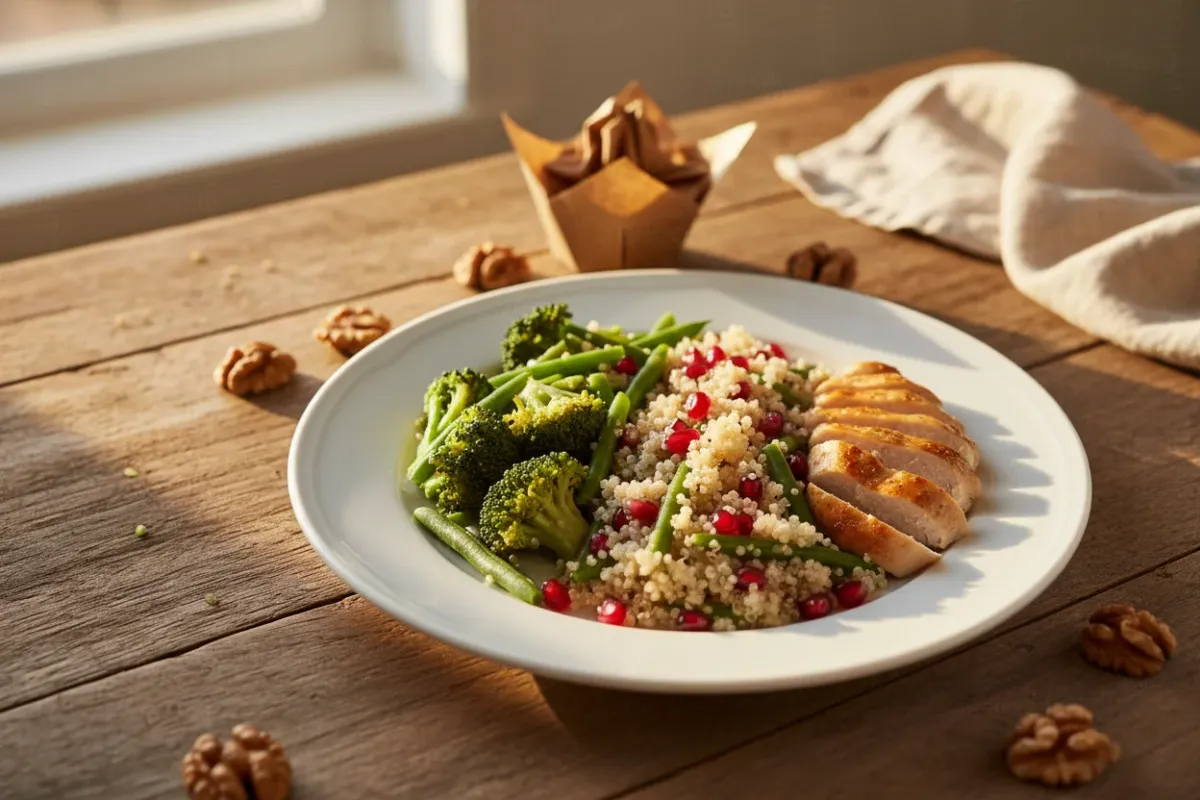
Why a Side Dish Is Not an "Extra" but the Foundation of Balanced Eating
When there's only a bit of chicken breast or a couple of cutlets left in the fridge and the whole family needs to be fed — it's the side dish that saves the day. But this isn't about just "loading up the plate" with pasta. A well-chosen side dish does three important things at once: it stretches the portion of the main course, balances the meal in terms of protein, fat, and carbs, and also helps noticeably cut grocery expenses.
According to MyPlate guidelines, the visual model of a balanced plate is built on a 9-inch (23 cm) plate: half is filled with non-starchy vegetables and fruits, slightly more than a quarter with grains, the remaining quarter with protein, plus a serving of dairy. When there isn't much of the main protein dish, it's the vegetable and grain portions that take on the leading role — and they do it brilliantly.
The idea is simple: instead of putting 200 g of meat and a tiny mound of rice on the plate, it's better to take 100–120 g of meat, add a generous portion of a vegetable side dish, and a hearty grain. The calorie count stays comfortable, the protein is complemented by fiber and slow carbs, and the feeling of fullness lasts significantly longer.
The Plate Method: How to Distribute Portions Correctly
Before moving on to specific recipes, it's worth understanding the proportions. The plate model is the simplest and most visual tool for anyone who doesn't want to weigh food on a scale every time.
Half the Plate — Vegetables and Greens
This is the foundation of foundations. Non-starchy vegetables (broccoli, green beans, zucchini, cauliflower, leafy greens, cucumbers, tomatoes) provide volume, fiber, and vitamins with minimal calories. A 200–250 g serving of such vegetables is only 50–80 kcal, yet it's precisely what creates the visual and physical sensation of a complete meal.
Approximate nutrition for 200 g steamed broccoli: 68 kcal | P: 5.6 g | F: 0.8 g | C: 13.2 g
A Quarter of the Plate — Grains or a Starchy Side
Rice, buckwheat, bulgur, quinoa, durum wheat pasta, baked potato — these are the energy base. A 150–180 g serving of cooked grain provides slow carbs that sustain energy levels for several hours.
Approximate nutrition for 150 g cooked buckwheat: 156 kcal | P: 5.7 g | F: 1.8 g | C: 30 g
A Quarter of the Plate — Protein
Even if there's not much protein — 80–120 g of chicken, fish, tofu, or legumes — with the right side dish, that's enough to cover the needs of a single meal. And if you add an extra source of plant-based protein (lentils, chickpeas, beans) to the side dish, the meat portion can be reduced even further.
Seven Specific Strategies for How a Side Dish Stretches the Main Course
1. Add a Can of Beans or Chickpeas
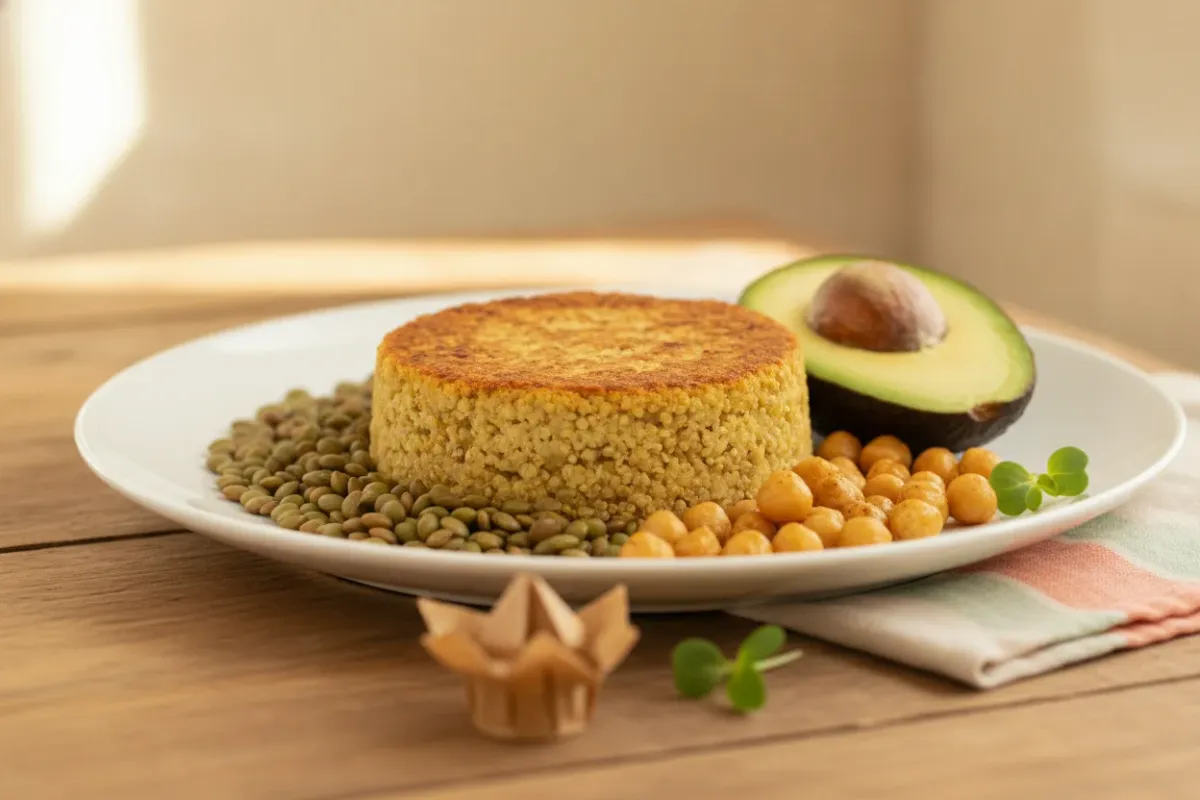
One of the simplest and most effective techniques. As the blog A Pretty Life in the Suburbs notes, when meat is scarce, it's enough to "add a can of beans" — for example, serve brown beans as a side to roasted chicken or pork cutlets. A can of canned chickpeas (240 g drained) costs pennies yet provides around 275 kcal and a full 15 g of plant-based protein. This isn't just a "filler" — it's a complete nutrient that complements animal protein with its amino acid profile.
Approximate nutrition for 150 g canned chickpeas: 171 kcal | P: 9.5 g | F: 2.6 g | C: 27 g
How to use:
- Chickpeas with paprika and garlic in a skillet — pairs with any meat
- White beans braised with tomatoes and rosemary — pairs with fish
- Lentils with curry — pairs with roasted vegetables or a small portion of chicken
2. Launch a "Frozen Veggie Airdrop" Into Casseroles and Stews
Another tip from the same source: add "a cup or two of frozen vegetables" before baking to stretch any casserole or lasagna. Green beans or peas work excellently in a tuna casserole, while diced carrots, zucchini, and mushrooms work great in lasagna. Frozen vegetables are inexpensive, keep for months, and are virtually on par with fresh ones in nutritional value (they're frozen at peak ripeness).
Approximate nutrition for 200 g frozen vegetable mix (carrots, beans, peas): 76 kcal | P: 3.8 g | F: 0.4 g | C: 14.2 g
This addition increases the volume of the dish by 30–40% while barely changing the calorie count. For those on a calorie deficit, this is a godsend: more food on the plate with the same macros.
3. Baked Potato — the King of Budget Side Dishes
According to Budget Bytes, oven-baked potatoes cost approximately $1.75 per recipe, which is about $0.43 per serving — and it's a filling, delicious, and versatile side dish. And Epicurious confirms: "Every meal gets better with a side of crispy potatoes." Their recipe for perfectly roasted Yukon Gold potatoes costs $2.36 for the entire dish — two pounds of potatoes, a quarter cup of olive oil, salt, and pepper.
Approximate nutrition for 200 g baked potato with 1 tsp olive oil: 192 kcal | P: 4 g | F: 4.5 g | C: 35 g
Potatoes have been unfairly demonized in the fitness world. In reality, they're an excellent source of potassium, vitamin C, and resistant starch (especially if you let them cool after cooking). The key is to control the portion and cooking method. Baking with minimal oil instead of deep-frying — and the potato transforms from a "figure enemy" into a reliable ally.
4. A Salad From Whatever's in the Fridge
Salads are "a great way to use up all sorts of leftovers," as A Pretty Life in the Suburbs notes: cheese, stale bread (for croutons), nuts, vegetables, fruits, cooked pasta, and leftover meat. Essentially, a salad is a constructor set that lets you assemble a complete meal from things others would throw away.
Formula for a healthy salad that qualifies as a full lunch:
- Base: greens (arugula, spinach, iceberg) — volume and fiber
- Protein: leftover chicken, egg, tuna, or chickpeas — 80–100 g
- Complex carbs: quinoa, bulgur, or baked sweet potato — 100 g
- Fats: avocado, olive oil, seeds — 1 tbsp
- Flavor: feta cheese, sun-dried tomatoes, capers
Approximate nutrition for this salad: 350–420 kcal | P: 22–28 g | F: 15–18 g | C: 30–35 g
A salad like this costs pennies when assembled from leftovers, yet looks like a dish from a healthy-eating restaurant.
5. Slow-Cooked Vegetables — Minimal Effort, Maximum Flavor
Epicurious recommends choosing "one base ingredient" for a budget side dish and using what's already in the fridge. Their recipe for slow-stewed bell peppers with bay leaf and oregano costs $4.75 for six servings, and the main secret to the flavor is "slow cooking and a good dose of garlic and olive oil." If you have thyme or rosemary on hand, they work "just as well" as oregano.
This is an important principle: you don't need to buy ten ingredients for a side dish. A single vegetable, slowly cooked with aromatic herbs and garlic, can be tastier and healthier than a complex multi-component dish.
Ideas for slow cooking:
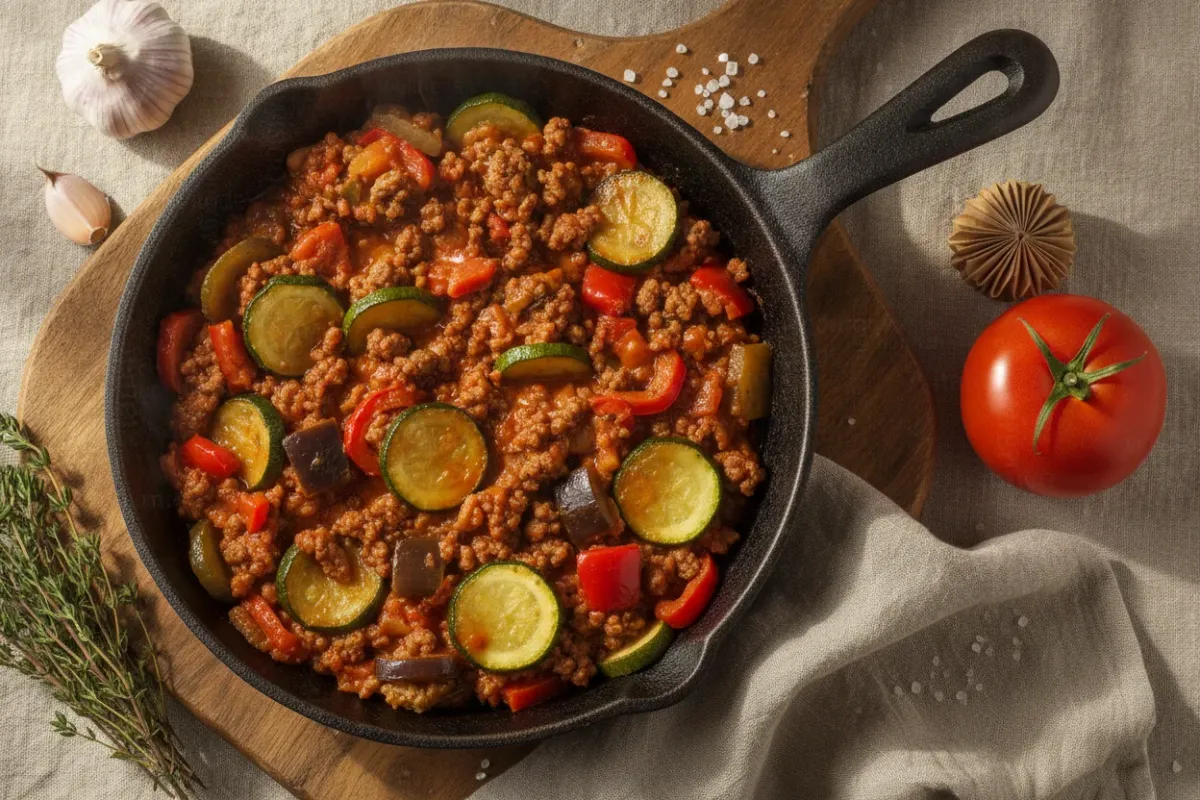
- Zucchini stewed with garlic and thyme (45 kcal / 200 g)
- Eggplant with tomatoes and basil (70 kcal / 200 g)
- Cauliflower roasted with turmeric and paprika (65 kcal / 200 g)
6. From One Piece of Meat — Three Different Meals
Another powerful strategy: "take one roasted meat (chicken, turkey, or beef) and turn it into three different and delicious meals," using the leftovers for soup or a pie — advises A Pretty Life in the Suburbs. Here, side dishes play a key role: they're what makes each meal unique.
Example: one roasted chicken (1.5 kg) = three lunches for two:
| Meal | Main | Side Dish | Portion Macros |
|---|---|---|---|
| Lunch 1 | Chicken breast, 150 g | Buckwheat + fresh vegetable salad | ~420 kcal, P: 38 g, F: 10 g, C: 42 g |
| Lunch 2 | Chicken thigh, 120 g | Bulgur with stewed vegetables (pepper, zucchini) | ~380 kcal, P: 28 g, F: 12 g, C: 38 g |
| Lunch 3 | Leftover meat, 100 g | Chicken soup with potatoes and carrots | ~310 kcal, P: 24 g, F: 8 g, C: 32 g |
One product, three completely different flavor experiences — all thanks to different side dishes.
7. A Side Dish That Becomes the Main Course
Sometimes the line between a side dish and a main course blurs. As readers of Damn Delicious note, Parmesan orzo with spinach easily becomes a full lunch if you add "sliced smoked ham for protein." And mushrooms with cauliflower in garlic butter become a standalone dish when served with pasta and walnuts on top.
This works perfectly for meal prep: prepare a large batch of a hearty side dish on Sunday and combine it with small portions of different proteins throughout the week.
Budget Side Dishes With Specific Prices: What's the Best Value
Healthy eating doesn't have to be expensive. Here are specific cost data for popular side dishes from Budget Bytes:
| Side Dish | Recipe Cost | Cost Per Serving | Time |
|---|---|---|---|
| Popovers (airy rolls) | $2.03 | $0.17 | ~30 min |
| Baked potato | $1.75 | $0.43 | ~40 min |
| Air fryer broccoli | $2.20 | $0.55 | 6 min |
| Corn casserole | $4.76 | $0.60 | ~45 min |
| Slow cooker green beans | $9.08 | $1.13 | ~4 hours |
Air fryer broccoli in 6 minutes is basically the ideal option for those cooking in a hurry. Minimal effort, maximum benefit, and only 55 cents per serving.
For other countries the prices will differ, but the principle is the same: grains, seasonal vegetables, and legumes are the most cost-effective side dishes. A kilogram of buckwheat, a bag of frozen green beans, and a can of canned chickpeas will cost less than a single serving of prepared delivery food.
Meal Prep: How to Prepare Side Dishes for the Week
Preparing side dishes in advance is one of the main secrets of those who eat healthy without standing at the stove every day. As noted in the meal planning guide from Colorado State University, it's important to aim for "each meal to include foods from at least three food groups," and over the course of a day, to cover all five. Meal-prepping side dishes is exactly what helps achieve this without extra hassle.
Sunday Meal Prep: A 1.5-Hour Plan
Step 1 (30 minutes). Set two grains to cook simultaneously:
- Buckwheat (400 g dry → ~1 kg cooked, ~1,040 kcal)
- Brown rice (300 g dry → ~900 g cooked, ~990 kcal)
Step 2 (20 minutes). While the grains are cooking — chop the vegetables:
- Bell peppers, carrots, zucchini — for stewing
- Cucumbers, tomatoes, herbs — for fresh salads
A tip from the same guide: "If you wash vegetables right after buying them and cut them up for snacks, the likelihood that you'll reach for them increases significantly." This works for side dishes too: pre-cut vegetables in a container are a ready side dish in 10 minutes.
Step 3 (30 minutes). Roast a sheet pan of vegetables:
- Broccoli, cauliflower, sweet potato — with olive oil and spices
- Temperature 200°C (400°F), 25–30 minutes
Step 4 (10 minutes). Cook legumes or open canned ones:
- Red lentils cook in just 15 minutes
- Canned chickpeas — rinse and store in a container
Total: four types of side dishes that keep in the fridge for 4–5 days and pair with any protein.
Sample Combination Plan for the Week
| Day | Protein (120 g) | Side 1 (grain) | Side 2 (vegetables) | Total Macros |
|---|---|---|---|---|
| Mon | Chicken breast | Buckwheat, 150 g | Fresh salad | ~400 kcal, P: 38, F: 8, C: 40 |
| Tue | Cod | Brown rice, 150 g | Roasted broccoli | ~370 kcal, P: 32, F: 7, C: 42 |
| Wed | Tofu | Buckwheat, 150 g | Stewed vegetables | ~350 kcal, P: 22, F: 10, C: 38 |
| Thu | Beef | Brown rice, 150 g | Fresh salad | ~430 kcal, P: 35, F: 12, C: 40 |
| Fri | Eggs (3) | Buckwheat, 150 g | Roasted sweet potato | ~410 kcal, P: 25, F: 15, C: 38 |
Five Rules for the Perfect Healthy Side Dish
For a side dish to truly work for your health rather than just fill the plate, it's worth following a few simple principles.
Rule 1: One Side Dish — One Main Ingredient
Epicurious advises choosing "one base ingredient, not two or three" for a budget side dish. This applies not only to saving money but also to simplicity. Roasted carrots with a pinch of cumin. Sautéed spinach with garlic. Boiled broccoli with lemon juice. The simpler it is, the more often this dish will appear on the table.
Rule 2: Count the Portion, Not the Product's Calorie Content
Potatoes or rice by themselves are not the enemy. The problem is always the portion size. 150 g of cooked buckwheat is about 155 kcal and an excellent source of energy. 400 g of buckwheat with butter is a completely different story. The plate model helps visually control portions without scales.
Rule 3: Add Protein to Vegetable Side Dishes
A handful of chickpeas in a salad, a spoonful of seeds on roasted vegetables, grated cheese on broccoli — small additions that turn a light side dish into a more filling one and help reach your daily protein target.
Rule 4: Don't Be Afraid of Repetition
You don't have to cook a new side dish every day. As the author of the blog A Sweet Pea Chef rightly notes, "inspiration for side dishes runs out even faster than for main courses." That's why having 5–7 tried-and-true side dishes in rotation is normal and even the right approach. It simplifies shopping, speeds up cooking, and reduces food-related stress.
Rule 5: Frozen Vegetables Are a Full Substitute for Fresh Ones
Frozen green beans, spinach, broccoli, vegetable mixes — all of these are excellent options for a quick side dish. They don't require washing or chopping, keep for months, and cook in 5–10 minutes. For busy people, this is often the only realistic way to eat enough vegetables every day.
How to Read Labels and Not Overdo the Portion
A separate point that's often overlooked is understanding the serving size on the package. As noted in the Colorado State University guide, if a muffin lists 250 kcal and 10 g of fat per serving, but the muffin is two servings, then the entire muffin = 500 kcal and 20 g of fat. The same goes for side dishes: a package of prepared couscous may contain 3–4 servings, not one.
A tip for those who track their macros: always check the number of servings on the package and recalculate for the portion you actually put on your plate.
Frequently Asked Questions
Which side dish is the most filling with the fewest calories?
Legumes — lentils, chickpeas, beans. They contain complex carbs, plant-based protein, and fiber, which ensures a prolonged feeling of fullness. A 150 g serving of cooked lentils is about 170 kcal and 13 g of protein.
Can you eat potatoes as part of healthy eating?
Yes, potatoes are a wholesome and nutritious food, rich in potassium and vitamin C. The key is in the cooking method (baking or boiling instead of frying) and the portion size (150–200 g of the cooked product). If you let boiled potatoes cool, resistant starch forms in them, which is beneficial for the gut microbiome.
How many side dishes should you prep for the week during meal prep?
The optimal amount is 2 types of grains and 2–3 vegetable options. That's enough for variety across 5 workdays, and the cooking takes no more than 1.5 hours on a weekend. Ready-made side dishes keep in the fridge for 4–5 days without losing taste or nutritional value.
How can you make a simple side dish tastier without extra calories?
Aromatic herbs, spices, garlic, lemon juice, quality salt — all of these add flavor at zero or minimal calorie cost. As Epicurious experts advise, sometimes all it takes is "a good dose of garlic and olive oil" and slow cooking to turn a simple vegetable into the star of the plate.
Are frozen vegetables worse than fresh ones in terms of nutritional value?
No. Frozen vegetables are processed and frozen at peak ripeness, so they retain most of their vitamins and minerals. For many busy people, frozen vegetables are a more practical and affordable option than fresh ones, which can spoil in the fridge.
This article is for informational purposes only and is not medical advice. Consult a doctor or dietitian before making dietary changes.