Jello Instead of Sugar in Cake: A Hack That Actually Works
Jello instead of sugar in cake? Fitness bakers are obsessed. Cut calories in half with this simple hack and get an ultra-moist, tender crumb.
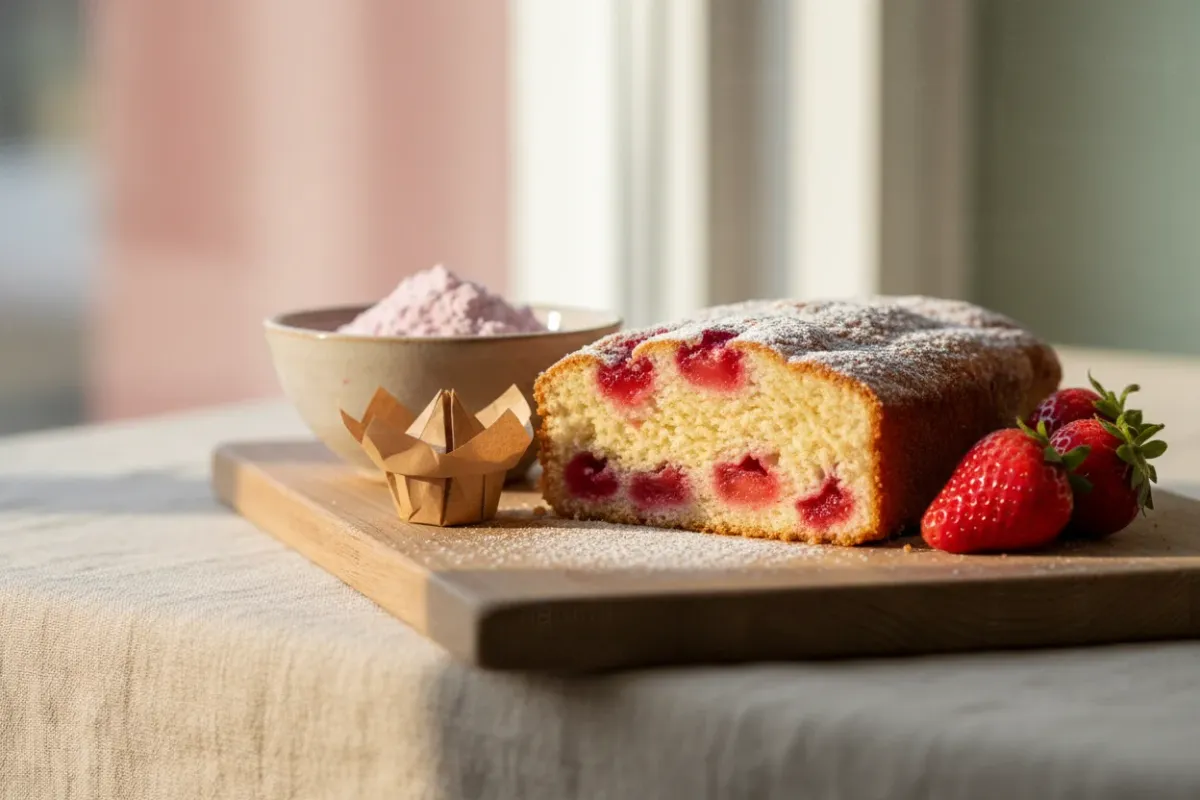
How Jello Powder Became the Secret Ingredient of Fitness Baking
On one of the cooking forums, a recommendation appeared that turned the concept of homemade baking upside down: replace part of the sugar in the batter with powdered Jello mix. The result — an incredibly tender crumb, vibrant flavor, and significantly reduced calorie content. This hack quickly spread through healthy-eating communities and became a real discovery for those who count every gram of carbs.
Why does it work? Jello powder is not just a coloring agent and flavoring. The gelatin in the mix retains moisture inside the batter, creating that airy, melt-in-your-mouth texture that is usually achieved with large amounts of sugar and butter. At the same time, the calorie count per serving drops noticeably: if a regular slice of cake runs 350–400 kcal, the Jello version can come in at just 170 kcal per serving.
Why Jello Works Better Than Simply "Removing Sugar"
When sugar is simply removed from a baking recipe, the result is usually disappointing: the batter turns out dry, dense, and bland. Sugar in baking is not just about sweetness. It is responsible for moisture, crumb tenderness, crust caramelization, and even the rise of the dough.
Jello powder takes on several of these functions at once:
Moisture and Tender Texture
Gelatin is a protein that binds water. When Jello mix is added to batter, it retains moisture throughout the entire baking process. According to Allrecipes, Jello mix creates a "tender crumb, bright pops of color, and rich flavor" when added to cake batter. Users in cooking communities confirm: a cake made with Jello gets "such a tender crumb" that it is virtually impossible to tell it apart from a classic recipe.
Flavor Without Extra Calories
One serving of sugar (100 g) is 387 kcal and 100 g of pure carbohydrates. A serving of Jello powder (85 g, a standard package) contains significantly fewer calories while delivering a vibrant fruity flavor: strawberry, lemon, orange, cherry — the palette is enormous. And if you use a sugar-free mix, the calorie count drops even more dramatically.
Color Without Artificial Dyes
For fitness baking, this is a bonus: naturally vibrant color without the need to add artificial dyes. Lemon Jello gives a sunny yellow, strawberry gives pink, and blueberry gives a deep purple.
Proportions: How Much Jello to Add
The basic rule confirmed by numerous sources: one package of Jello powder (85 g) per one standard cake batter recipe. As Allrecipes notes, for most recipes "one 3-ounce package of Jello with one box of cake mix" is used.
For from-scratch recipes (without boxed mixes), the proportions are slightly different. According to a recipe from Kelly's Kitchen Creation, to replace part of the sugar in a homemade white cake, 4 tablespoons of Jello powder (any flavor) are used. For red flavors (cherry, strawberry), 2–3 tablespoons are enough — they give a more intense color.
Substitution Table
| Original Recipe | Sugar in Recipe | Jello Replacement | Remaining Sugar |
|---|---|---|---|
| Cake for 1 pan (23 cm / 9 in) | 200 g | 4 tbsp Jello | 100 g |
| Cupcakes (12 pcs) | 150 g | 3 tbsp Jello | 75 g |
| Sponge cake | 120 g | 2–3 tbsp Jello | 60 g |
Important: completely replacing sugar with Jello is not recommended. The optimal approach is replacing 40–50% of the sugar. This gives the maximum calorie difference while preserving the structure of the batter.
Macros: The Difference in Numbers
Let's look at a specific example. A classic strawberry cake following the recipe from A Mee's Savory Dish using sugar-free Jello powder comes in at 171 kcal per serving when cut into 24 slices. For comparison: a standard strawberry cake is 320–380 kcal for an equivalent serving.
Macros per Serving (1/24 of a Jello Cake):
| Metric | With Jello (sugar-free) | Classic Recipe |
|---|---|---|
| Calories | 171 kcal | 350–380 kcal |
| Protein | 4–5 g | 3–4 g |
| Fat | 5–7 g | 15–18 g |
| Carbs | 25–28 g | 45–52 g |
The difference is nearly twofold in calories. At the same time, the Jello version actually has more protein thanks to the gelatin content. For those tracking macros, this is a significant bonus.
Step-by-Step Technique: Jello Poke Cake
One of the most popular formats is the poke cake, where liquid Jello is poured into holes poked in the cake. This method delivers maximum juiciness and vibrant flavor with minimal effort.
What You'll Need:
- Base: a boxed cake mix (or homemade sponge cake)
- 1 package of sugar-free Jello (85 g)
- 3 eggs (whites only if you want to reduce fat)
- 1 cup of water
- 1/3 cup of vegetable oil (or applesauce for the healthy version)
- 1 cup of boiling water (to dissolve the Jello)
Process:
Step 1. Bake the sponge cake at 175°C (350°F) in a 23×33 cm (9×13 in) pan. According to Foodtastic Mom, the cake is fully baked in 23 minutes. Then let it cool on the counter for about 20 minutes.
Step 2. Poke holes. As recommended by A Mee's Savory Dish, you should "poke holes in the cake with a large skewer or fork every 5 cm (2 in), being careful not to poke all the way through to the bottom." This is critical — if the holes are too small, the Jello won't soak into the sponge. If they're too deep, the cake will fall apart.
Step 3. Dissolve the Jello in one cup of boiling water. According to the recipe from Foodtastic Mom, for the cake you need "two cups of water, not three": one cup of cold water for the batter and one cup of boiling water to dissolve the Jello. Pour the liquid Jello directly over the cake with the holes.
Step 4. Refrigerate for at least 2 hours without a lid. This time is necessary for the Jello to fully set inside the sponge cake.
Step 5. Top with a light frosting. A healthy frosting option: 120 g whipped cream cheese + 80 g Greek yogurt + sweetener to taste.
Second Method: Jello Directly in the Batter
This method is simpler and works well for cupcakes, muffins, and individual-sized baked goods.
The Principle:
Jello powder is added directly to the dry ingredients along with the flour. At the same time, the amount of sugar in the recipe is reduced by 30–50%.
Flavor Combinations That Work:
- Lemon cake: lemon Jello + lemon zest. One commenter on Together as Family noted that the cake with lemon Jello turned out "slightly denser than usual, but otherwise perfect."
- Orange cake: orange Jello + vanilla pudding. A user reported: "I don't think I've ever had a more moist cake in my life, and the flavor was incredible."
- Strawberry cake: strawberry Jello + sour cream or Greek yogurt.
- Tropical cake: pineapple Jello + shredded coconut.
An Important Note About Texture
It's worth noting that replacing sugar with Jello does affect the texture. Some bakers notice that a cake made with Jello has a slightly different structure compared to a classic recipe. This is not a defect — just a characteristic. If you want a texture as close to the classic as possible, it's best to replace no more than 30% of the sugar.
Options for Different Goals
For Weight Loss (Calorie Deficit)
- Use sugar-free Jello
- Replace oil with applesauce (1:1)
- Use only egg whites
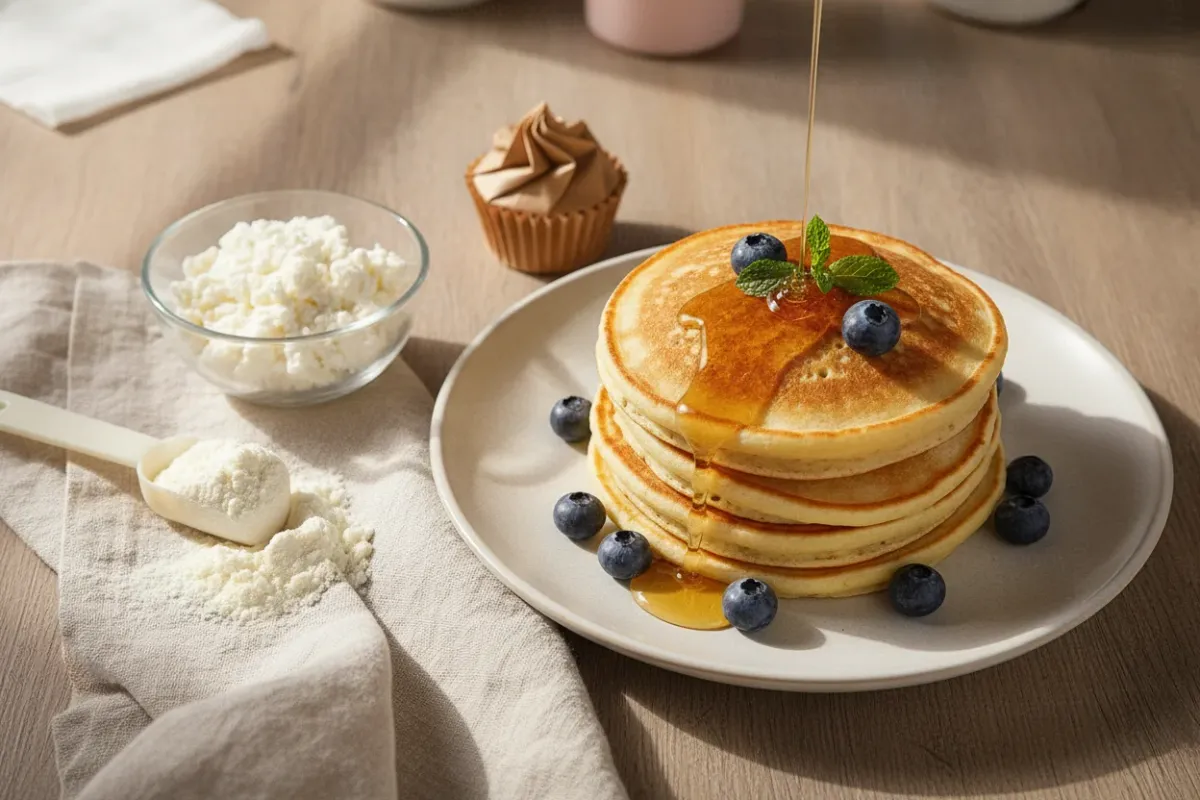
- Make frosting based on fat-free cottage cheese
Macros for this serving: approximately 130–150 kcal, 5 g protein, 3 g fat, 22 g carbs.
For Muscle Gain (Surplus with Emphasis on Protein)
- Add a scoop of protein powder (30 g) to the batter
- Use regular Jello (not sugar-free) for fast carbs
- Make frosting based on ricotta or mascarpone
Macros: approximately 250 kcal, 15 g protein, 8 g fat, 30 g carbs.
For Keto
- Sugar-free Jello + almond flour instead of wheat flour
- Erythritol instead of the remaining sugar
- Frosting made from coconut cream
Macros: approximately 180 kcal, 6 g protein, 14 g fat, 4 g net carbs.
Things to Keep in Mind: Pitfalls of the Method
Not Any Jello Will Do
Regular Jello with sugar contains about 80% sugar in its composition. For a real calorie reduction, you need specifically sugar-free Jello. In Russia, such options are made by Dr. Oetker, and alternatives can also be found in sports nutrition stores.
Baking Time May Change
The gelatin in Jello affects baking time. The batter may take 3–5 minutes longer to bake than usual. Check doneness with a wooden skewer.
Store Only in the Refrigerator
A cake made with Jello is not the kind of dessert that can sit on the counter all day. Gelatin softens at room temperature, so the finished cake must be stored exclusively in the refrigerator. Shelf life is 3–4 days.
Jello Is an Animal Product
For those following a vegan diet, standard Jello is not suitable, as it contains animal-derived gelatin. An alternative is agar-agar, but the proportions will differ. According to a discussion on Crafty Cookery, the substitution ratio is "2:1 agar-agar powder to xanthan gum," but for baking it's best to experiment with small batches.
Recipe: Healthy "Strawberry Cloud" Cake with Jello
A tried-and-tested recipe for those who want to try the method right now.
Ingredients:
- 150 g flour (or rice flour for a gluten-free version)
- 1 packet of sugar-free Jello (strawberry) — 10–15 g
- 2 eggs
- 80 g Greek yogurt
- 50 g erythritol or another sweetener
- 1 tsp baking powder
- A pinch of salt
- 50 ml milk
Frosting:
- 200 g soft cottage cheese (up to 5% fat)
- 50 g Greek yogurt
- Sweetener to taste
- 1/2 packet of sugar-free Jello (for color and flavor)
Directions:
- Mix the dry ingredients: flour, Jello, baking powder, salt, sweetener.
- Separately, whisk the eggs with yogurt and milk.
- Combine the dry and wet ingredients, mix until smooth.
- Bake at 170°C (340°F) for 25–30 minutes.
- Let cool, then slice horizontally into 2 layers.
- Spread frosting between layers, decorate with fresh strawberries.
Macros per Serving (1/8 of the Cake):
| Value | |
|---|---|
| Calories | 145 kcal |
| Protein | 9 g |
| Fat | 4 g |
| Carbs | 18 g |
For comparison: a serving of a classic Napoleon cake is 450–500 kcal. The difference is threefold.
What Other Desserts Can Be Made with Jello
The method of replacing sugar with Jello works beyond just cakes:
- Cookies: adding Jello to cookie dough gives "color, tender texture, and flavor," as noted by Allrecipes.
- Muffins and cupcakes: 1–2 tablespoons of Jello per 6 pieces.
- Panna cotta: sugar-free Jello + milk + thickener = a dessert at 60 kcal.
- Cottage cheese bakes: Jello in the cottage cheese mixture for flavor and color.
- Protein bars: Jello as a binding and flavoring component.
Try It Yourself
This hack is one of those cases where a simple ingredient swap yields a disproportionately big result. You don't need to buy expensive health-food mixes, you don't need to give up baking, and you don't need to endure bland "diet" cakes.
Start simple: take your favorite cake recipe, remove half the sugar, and add a packet of sugar-free Jello in a matching flavor. Chances are the result will surprise you — the cake will be even tastier and more tender than the original, while the calories per serving will drop nearly in half.
One small packet of Jello — and your usual cake becomes a dessert you can enjoy guilt-free. Sometimes the best culinary discoveries come from the most unexpected sources.
Frequently Asked Questions
Can I use almond milk instead of regular milk?
Yes, almond or any plant-based milk works for recipes with Jello. The calorie count will drop by an additional 15–20 kcal per serving. The batter texture will remain virtually unchanged.
Why did my cake sink in the middle?
Most often the cause is opening the oven too early or insufficient baking time. The gelatin in the Jello makes the batter slightly more liquid, so the baking time increases by 3–5 minutes compared to the original recipe. Check doneness with a skewer.
Can I make a keto version?
Yes. Use sugar-free Jello, replace wheat flour with almond or coconut flour, and swap regular sugar for erythritol. The resulting serving will contain about 4 g of net carbs — well within keto protocol.
Why does the cake sink while cooling?
If the cake rose in the oven but sank while cooling, there is most likely too much liquid in the batter or not enough structural ingredients (flour, eggs). When using Jello, it's important not to add extra water beyond what the recipe calls for, as the Jello already contains moisture-retaining components.
This article is for informational purposes only and is not medical advice. Consult a doctor or dietitian before making dietary changes.