High-Protein Frozen Meals: Dinner Without Cooking
Done with dinner stress? High-protein frozen meals deliver balanced nutrition without touching the stove. Quick, satisfying weeknight solutions.
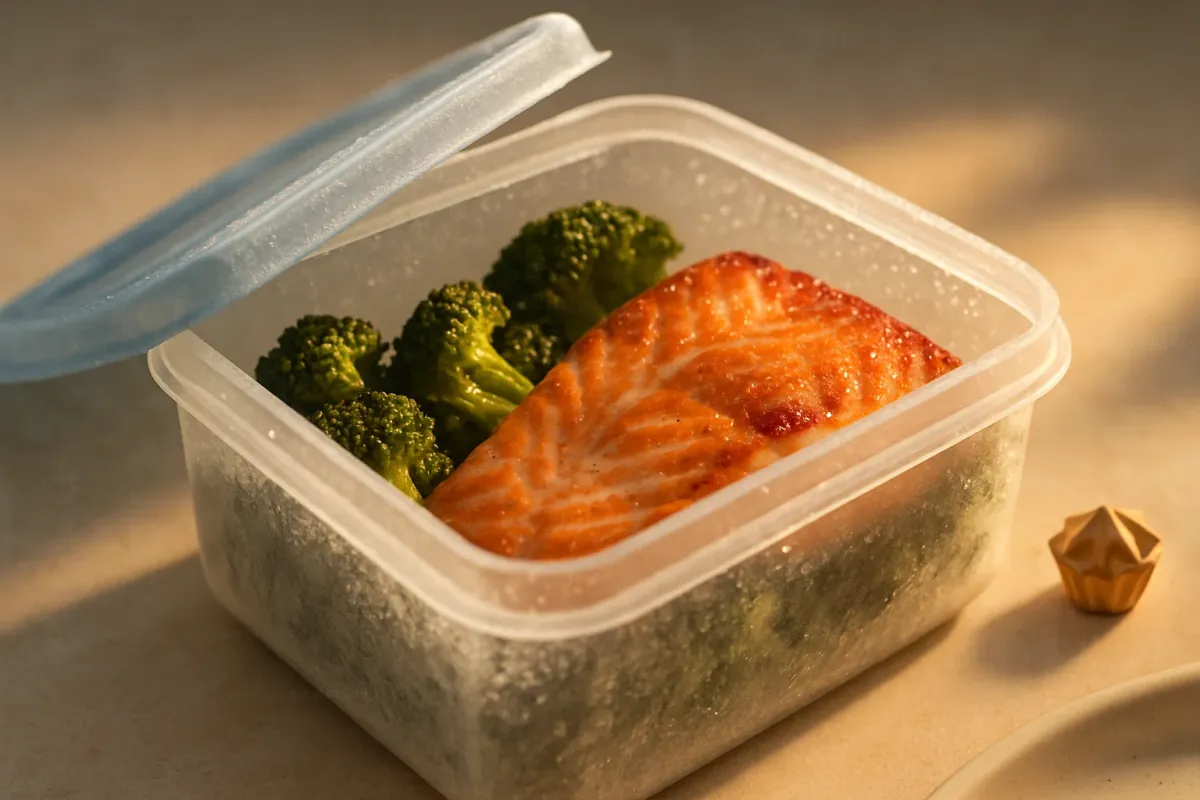
A familiar story: a new job, zero energy by evening, and the usual Sunday meal prep fell apart in the very first week. Your hand reaches for pizza delivery — yet you'd still like to stay in shape, keep protein high and carbs moderate. The good news: it's precisely for periods of life like this that the "smart freezer" strategy exists. Ready-made high-protein meals — store-bought and homemade — can fully cover weeknight dinners without a single minute at the stove in the evening.
This is not a compromise and not a "temporary lowering of standards." It's a normal, working tool of mindful eating, used by athletes, nutritionists, and pastry chefs who themselves stand at the oven all day and don't want to see it again in the evening.
Why the combo "lots of protein + fewer carbs" saves you during busy periods
Before figuring out what to put in the freezer, it's worth understanding why exactly this combination works so well when life turns into a marathon.
Protein is the most satiating macronutrient. Of the three macronutrients, protein provides the most pronounced and long-lasting feeling of fullness. In practical terms this means: a high-protein dinner reduces the likelihood of evening raids on the fridge and uncontrolled snacking before bed — the main enemy of anyone watching their calories. A detailed breakdown of protein's role in the diet is available from the Harvard School of Public Health.
Protein protects muscle during periods of stress and sleep deprivation. A new job almost always means stress, a disrupted routine, and fewer workouts. An adequate amount of protein helps preserve muscle mass even when the gym has temporarily dropped out of the schedule. Guidelines on protein amounts depending on your goals are well systematized in the Examine guide to protein intake.
Fewer fast carbs in the evening — steadier energy. A heavy carb-laden dinner after an exhausting day often brings a short wave of drowsiness, and the next morning — a "leaden" head. Moderate carbs combined with protein and vegetables are noticeably easier to handle in the evening.
And most importantly — freezing doesn't "kill" the nutritional value. That's a stubborn myth. Freezing is one of the gentlest ways to preserve food: protein, fats, and most minerals are virtually unaffected by freezing. Frozen vegetables, packed at peak ripeness, are comparable in nutritional value to fresh ones that spent a week in transit and on the shelf.
The problem: high protein + low carbs is a rare pair in ready-made food
Anyone who has ever stood at the freezer case reading labels knows: finding a ready-made dish with genuinely lots of protein and few carbs is surprisingly hard. The overwhelming majority of ready meals are built on the opposite formula: a cheap carbohydrate base (rice, pasta, potatoes, dough) plus a token amount of protein.
The reason is simple: carbs are the cheapest way to make a dish look filling and feel weighty in the package. Protein is the most expensive ingredient. So it's profitable for the manufacturer to put in 200 g of rice and 70 g of chicken, not the other way around.
Abroad, this niche has begun to be filled by prepared-meal services with nutrient filters — for example, CookUnity, where you can filter the menu precisely by the combination "high protein + fewer carbs." The filter idea itself is the right one, and it's worth adopting regardless of which service or store you use: first the calorie/macro numbers, then the pretty photo of the dish.
Label-reading rules: what counts as "high protein" and "low carbs"
To avoid depending on marketing labels like "fitness," "protein+," and "light" on the package, three simple benchmarks per serving of a ready-made dish are enough:
- Protein: 25–30 g or more per serving. That's the amount that genuinely satiates an adult and supports muscle. If the package says 12–15 g — that's a side dish with a hint of protein, not a protein dish.
- Carbs: up to 25–30 g per serving. For a strict keto approach the bar is lower (usually up to 10–15 g), but for most people losing weight or maintaining shape, 25–30 g in the evening is a comfortable zone.
- Protein-to-calorie ratio. A quick trick: divide the grams of protein by the calories and multiply by 100. If you get 8 or above (for example, 30 g of protein per 350 kcal ≈ 8.6) — the dish is genuinely high-protein. If it's 4–5 — it's ordinary food in fitness packaging.
And one more point almost everyone misses: look at the serving size the numbers are tied to. A favorite manufacturer trick is to list nutrition per 100 g while the package weighs 350 g. Suddenly the "light 120 kcal" turns into 420.
What to look for at the store: freezer categories that work
Even in an ordinary supermarket without special "fitness lines," you can assemble a high-protein, low-carb basket. Here are the categories worth checking first.
1. Frozen fish and seafood
Champions in protein-to-calorie ratio. White fish fillets, shrimp, and squid cook in 10–15 minutes even from frozen — that's faster than any delivery will arrive.
Shrimp nutrition (per 100 g cooked): ~95 kcal, protein 19 g, fat 1.5 g, carbs 0.5 g. Cod fillet nutrition (per 100 g): ~78 kcal, protein 17 g, fat 0.7 g, carbs 0 g.
2. Frozen vegetable mixes without rice or potatoes
Broccoli, cauliflower, green beans, spinach — a ready low-carb side dish in 7 minutes in the microwave or a skillet. Read the ingredients carefully: "country-style" and "spring" mixes are often half potatoes and corn, and the carbs immediately double.
3. Patties and meatballs — but only if you read the ingredients
Here lies the biggest trap: cheap semi-prepared products may be less than half meat, with the rest being bread, starch, and soy. The benchmark: meat first in the ingredient list, protein per 100 g — 15 g or more, carbs — no more than 5–7 g.
4. Cottage cheese, eggs, and the fridge's "protein base"
Technically not freezer food, but an essential part of the "dinner without cooking" system. A pack of 5% cottage cheese + a handful of berries from the freezer is a complete protein dinner in 90 seconds.
5% cottage cheese nutrition (per 200 g): ~242 kcal, protein 34 g, fat 10 g, carbs 6 g. That very "30+ grams of protein per serving" — without a single pot.
5. Prepared-meal services with macro filters
If the budget allows, delivery of ready meal plans or individual dishes with transparent nutrition data is the laziest legitimate path. The main criterion for choosing a service is not the photos but the presence of honest numbers for every dish and the ability to build an order around your macros, the way it's done in CookUnity's filters. If a service doesn't publish nutrition data — that's a red flag: it means the numbers were either never calculated or are nothing to be proud of.
The freezer as personal meal prep: 7 make-ahead dishes for "no energy" days
And now the most interesting part — the place where cooking meets nutrition science. You don't have to choose between "cook every evening" and "buy ready-made." There's a third way: one hour of cooking once every two to three weeks — and your own line of frozen high-protein meals. Unlike the classic Sunday meal prep for 5 days (the one that fell apart), frozen food doesn't spoil by Thursday and doesn't demand a weekly feat.
Here are seven make-ahead dishes that handle freezing beautifully and reheat in 5–15 minutes.
1. Chicken omelet muffins
Eggs, diced chicken fillet, spinach, a little cheese — bake in muffin tins, cool, freeze. In the morning or evening: 2 minutes in the microwave.
Nutrition per 2 muffins (~180 g): ~250 kcal, protein 28 g, fat 13 g, carbs 3 g.
2. Bolognese without the pasta
A thick beef sauce with tomatoes and vegetables. Freeze in portions in bags laid "in a flat layer" — that way it thaws in minutes. Serve: on a bed of cauliflower or zucchini "noodles."
Nutrition per serving of sauce (250 g): ~310 kcal, protein 27 g, fat 18 g, carbs 9 g.
3. Baked skinless chicken thighs in spices
Thighs forgive reheating far better than breast — they don't turn into "rubber." Bake a tray, divide into portions, freeze.
Nutrition per serving (200 g): ~330 kcal, protein 38 g, fat 19 g, carbs 1 g.
4. White fish patties
Cod or pollock + egg + a minimum of oats (or none at all, using psyllium — for the keto version). Freeze them already pan-fried — reheating takes 6–8 minutes.
Nutrition per 2 patties (~160 g): ~210 kcal, protein 26 g, fat 9 g, carbs 5 g.
5. Chili con carne with beans (moderate-carb version)
For days when you've trained and can afford more carbs. The beans add fiber and extra satiety.
Nutrition per serving (300 g): ~380 kcal, protein 30 g, fat 16 g, carbs 24 g.
6. Cauliflower cream soup with chicken
Frozen soups are an underrated format: they thaw right in the pot or microwave, warming and filling you up at a modest calorie cost.
Nutrition per serving (350 g): ~260 kcal, protein 28 g, fat 11 g, carbs 10 g.
7. Protein ice cream — yes, dessert can be made ahead and frozen too
A pastry-chef classic of the genre: cottage cheese, protein powder, some berries, and a sweetener — whip, freeze in portioned cups. In the evening, when you crave "something with tea," what's waiting in the freezer isn't cookies but a dessert with as much protein as a proper snack.
Nutrition per serving (150 g): ~170 kcal, protein 22 g, fat 4 g, carbs 10 g.
And that's the main secret: the freezer can cover not only dinners but the dessert question too — without falling off the wagon and without guilt.
How to build a "dinner bank" in one hour
For the system to work, you don't need a heroic culinary marathon. One hour and the principle of parallelism are enough:
- Oven: a tray of chicken thighs + tins of egg muffins — they bake simultaneously, ~35 minutes.
- Stove, burner 1: a big pot of bolognese or chili — simmers almost unattended.
- Stove, burner 2: fish patties — 15 minutes of active work.
- While everything cooks: divide into bags and containers, label with name + date + nutrition per serving using a marker.
The result of one hour: 12–16 portioned dinners in the freezer. Even with three "no-energy" evenings a week, this stash lasts a month.
A few technical rules to keep your make-ahead meals tasty:
- Freeze cooled and flat. Flat bags freeze and thaw many times faster than "brick" containers.
- Label everything. After three weeks, frozen chili and bolognese are indistinguishable. A label with the nutrition data also spares you weighing and counting on a tired evening.
- Saucy dishes survive freezing better than "dry" ones. Breast without sauce is drier after reheating; the same breast in a tomato or creamy cottage-cheese sauce tastes freshly made.
- Storage life of cooked dishes in a household freezer is roughly 2–3 months. Recommendations on safe freezing and storage of cooked food are collected by the USDA Food Safety and Inspection Service.
The hybrid strategy: store-bought + homemade
In practice, what works best is not "either-or" but a combination:
- A store-bought base: frozen fish, shrimp, vegetable mixes, trusted patties with an honest ingredient list — things that require no make-ahead cooking at all.
- A homemade "gold reserve": 3–4 favorite dishes from the list above, cooked once every couple of weeks.
- A delivery service with macro filters — as insurance for the toughest weeks, when even one hour for cooking can't be found.
This system is resilient precisely because it has no single point of failure. Sunday meal prep fell apart — there's the freezer. Make-ahead meals ran out — there are shrimp and vegetables, ready in 12 minutes. No energy at all — cottage cheese with berries and protein ice cream for dessert.
Try it yourself
Start small: on your next grocery run, add a pack of frozen fish fillets, two potato-free vegetable mixes, and cottage cheese to your basket. And in your first free hour, bake a double batch of egg muffins and put half in the freezer — that's the easiest entry into the system.
Healthy eating during a busy period of life is not willpower and not cooking through "I can't anymore." It's an environment set up in advance, where grabbing a healthy high-protein dinner is easier than ordering pizza. A freezer with labeled portions and honest nutrition numbers handles that task better than any motivation.
This article is for informational purposes only and is not medical advice. Consult a doctor or dietitian before making dietary changes.