High-Protein Meals for Every Day: Ideas, Recipes, and Macros
High-protein meals for every day made easy. Discover recipes, macros, and tips to stay full, boost energy, and reach your 100g daily protein goal.
Why Bother Chasing Protein in the First Place
Protein isn't just for gym bros. It's about fullness that lasts for hours, about healthy hair and nails, about stable blood sugar, and about that feeling of "I'm satisfied and not sneaking back to the fridge an hour later." When there's enough protein on your plate, your body spends more energy digesting it (this is called the thermic effect of food), and your muscles get the building blocks they need to recover after workouts.
Experts from The Real Food Dietitians recommend a simple formula for those aiming for about 100 g of protein per day: three main meals with 30 g of protein each, plus at least one snack with 10 g. Sounds simple, but in practice many people get stuck at the "so what exactly should I cook?" stage. That's exactly what we'll cover next.
Top Protein Sources: What to Put on Your Plate
Before jumping into recipes, it's worth understanding the basics — which foods deliver the most protein with the least excess.
Animal Sources
Chicken breast, turkey, and fish are the classics of protein-rich eating. They deliver a powerful dose of protein without an excess of saturated fats. One medium egg contains about 7 g of protein — this is confirmed by data from Perfect Snacks. Two or three eggs for breakfast — and you've already banked 14–21 g of protein.
Greek yogurt and cottage cheese are creamy, filling, and incredibly convenient. In fact, cottage cheese often contains even more protein per serving than Greek yogurt. Half a cup of Greek yogurt or cottage cheese gives you about 10 g of protein — the perfect snack.
Approximate macros for popular sources (per 100 g):
| Product | Calories | Protein | Fat | Carbs |
|---|---|---|---|---|
| Chicken breast (boiled) | 165 | 31 | 3.6 | 0 |
| Egg (1, ~50 g) | 72 | 6.3 | 5 | 0.4 |
| Greek yogurt (2%) | 73 | 10 | 2 | 4 |
| Cottage cheese (5%) | 121 | 17 | 5 | 1.8 |
| Salmon | 208 | 20 | 13 | 0 |
| Turkey (breast) | 157 | 30 | 3.2 | 0 |
Plant-Based Sources
Meat isn't the only path to protein. As the authors at Delish rightly point out, "meat is rich in protein, but it's far from the only way" to get it. Lentils, chickpeas, tofu, tempeh, and beans are true protein powerhouses that also deliver fiber.
Three tablespoons of cooked lentils contain about 9 g of protein, and 100 g of firm tofu — about 8 g. This means that a single serving of lentil soup or a tofu bowl can easily cover 20–30 g of protein without a single gram of meat.
Among the plant-based recipes that inspire: BBQ tempeh sandwiches, vegan meatballs, chickpea bowls with peanut dressing, and lettuce wraps with caramelized tofu. Sounds delicious? It really is.
High-Protein Breakfast Ideas
Your morning sets the tone for the entire day. If breakfast contains 15–25 g of protein (the range recommended by The Real Food Dietitians for morning meals), you'll make it to lunch without hunger attacks and cookie raids.
Egg Muffins with Spinach and Turkey
This is a lifesaver for those who meal prep for the week ahead. Beaten eggs are mixed with spinach, diced turkey sausage, a pinch of salt and pepper — and baked in muffin tins. One muffin delivers about 8 g of protein. Three for breakfast — and you've got 24 g of protein in five minutes (if you're only counting the microwave reheating time).
These muffins keep in the fridge for up to five days or in the freezer for much longer, as noted by experts at Berry Street.
Macros for 3 muffins (approximate): 240 kcal | P: 24 g | F: 14 g | C: 3 g
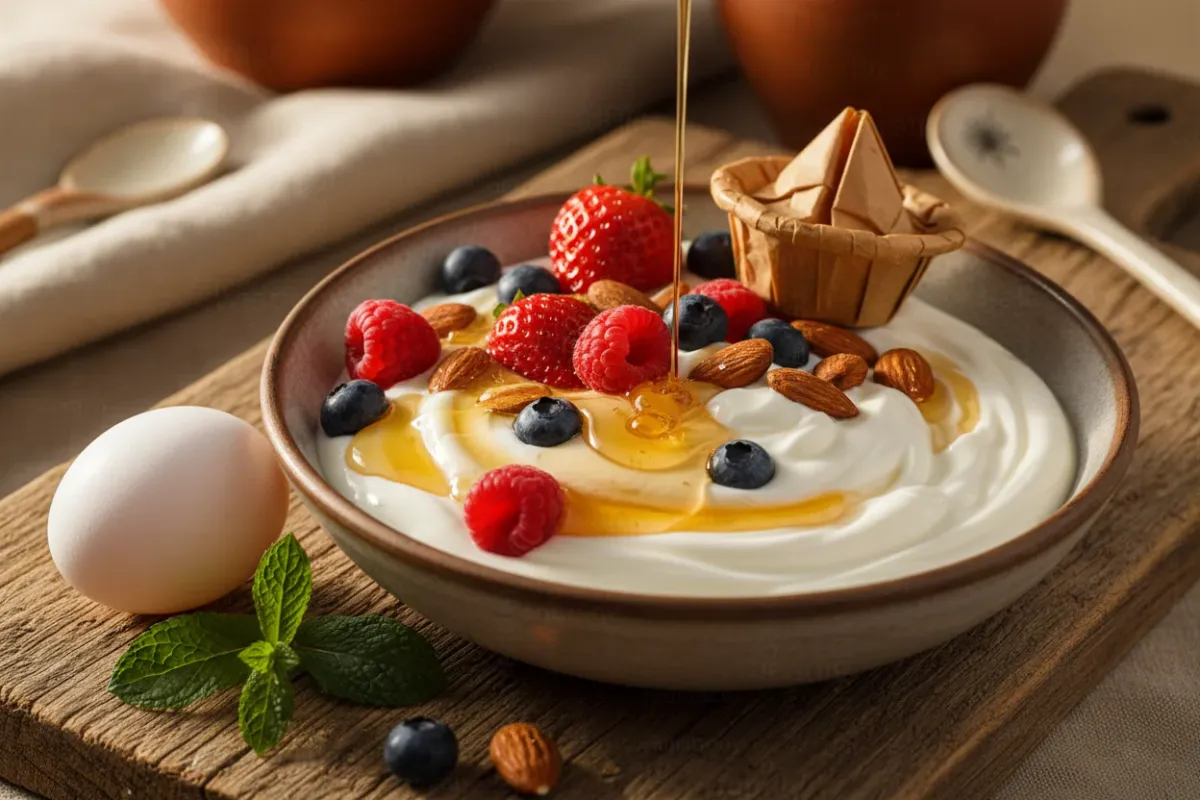
Greek Yogurt Bowl with Berries
Simple as can be: 200 g of Greek yogurt, a handful of berries, a tablespoon of sugar-free granola, and a teaspoon of honey. Quick, refreshing, 20 g of protein. Add a tablespoon of protein powder — and you're up to 35 g.
Macros (without protein powder): 210 kcal | P: 20 g | F: 4 g | C: 24 g
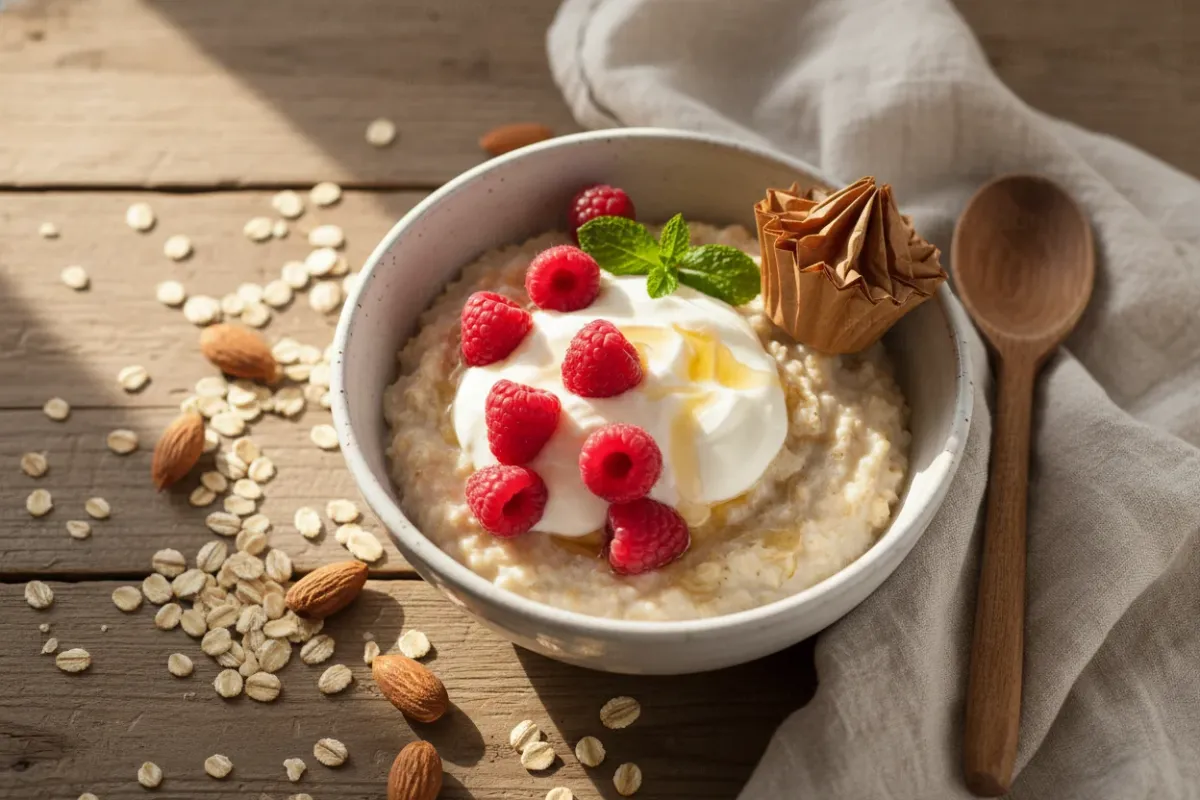
Oatmeal with Cottage Cheese and Nuts
Oatmeal is cooked in water or milk, then 100 g of cottage cheese is stirred in — it melts and makes the porridge creamy. Top with crushed walnuts and cinnamon. This is the kind of breakfast after which you won't feel hungry for about four hours.
Macros: 320 kcal | P: 22 g | F: 12 g | C: 32 g
High-Protein Lunches and Dinners
It's easiest to hit your 30 g of protein per meal at the main meals of the day. Here are ideas that don't require a culinary degree.
Salmon and Quinoa Bowl
The authors at Delish describe the salmon and quinoa bowl as "a texture lover's paradise" — and it comes together in just 20 minutes. Salmon fillet is baked on parchment, quinoa cooks alongside it, fresh vegetables and soy sauce are added. One serving delivers about 40 g of protein, and the flavor is so restaurant-worthy that it's hard to believe how simple it is to make.
Macros per serving: 450 kcal | P: 38 g | F: 16 g | C: 34 g
Teriyaki Salmon with Steamed Vegetables
Another option for fish days. According to data from Berry Street, this dish delivers about 40 g of protein per serving. The salmon is marinated in teriyaki sauce (soy sauce, mirin, ginger, garlic, honey) and baked for 15 minutes. The vegetables — broccoli, green beans, carrots — are steamed or roasted alongside it.
Macros per serving: 420 kcal | P: 40 g | F: 15 g | C: 24 g
Spaghetti Squash Pasta with Meat Sauce
One of the most impressive discoveries — "pasta" made from spaghetti squash. As described in the collection from StyleBlueprint, baked spaghetti squash is layered with seasoned ground beef, tomato sauce, and mozzarella. The result: 38 g of protein per serving. It's the perfect pasta substitute for those watching their carbs.
Macros per serving: 380 kcal | P: 38 g | F: 18 g | C: 16 g
Black Bean Soup (for Lazy Days)
There are evenings when standing at the stove is the last thing you want to do. For those moments — black bean soup that requires just two minutes of prep. Canned black beans, store-bought salsa, broth, spices — everything goes into one pot. According to StyleBlueprint, one serving delivers over 40 g of protein. There are variations with ham or quinoa for those who batch cook.
Macros per serving (basic version): 350 kcal | P: 42 g | F: 3 g | C: 48 g
Chicken Sausage and Rice One-Pot
According to the blog Jen Eats Good, a recipe with spiced chicken sausages, brown rice, and bone broth delivers an impressive 53 g of protein per serving. Everything cooks in one pot — minimal dishes, maximum results. The sausages are sliced, browned, then rice, broth, and spices are added. In 25 minutes, dinner is ready.
Macros per serving: 520 kcal | P: 53 g | F: 12 g | C: 48 g
Mac and Cheese with Meat — Yes, This Counts as Healthy
Who said mac and cheese can't be good for you? In the High-Protein Buffalo Mac and Cheese recipe from the blog Jen Eats Good — 48 g of protein per serving, with vegetables hidden in the sauce. The spicy version with beef hits a full 50 g of protein. This is proof that high-protein eating doesn't have to be boring.
Macros (chicken version): 480 kcal | P: 48 g | F: 14 g | C: 42 g
Meal Prep: How to Avoid Suffering All Week
Preparing food in advance is a lifesaver for those who don't have time to cook every day. The secret to successful meal prep is simple: start with whatever takes the longest to cook. Protein, grains, and roasted vegetables form the foundation that you can then mix and match in different ways.
Step-by-Step Weekly Plan
Sunday (1.5–2 hours):
- Protein. Bake 1 kg of chicken breasts with different seasonings (half with paprika and garlic, half with curry and turmeric). Hard-boil 10 eggs. Marinate 500 g of salmon.
- Grains. Cook a large batch of quinoa or brown rice. As the authors at Nourish Move Love advise, cooking grains in advance allows you to "mix and match all week for variety."
- Vegetables. Chop fresh vegetables for salads. Roast broccoli, sweet potatoes, and bell peppers.
- Sauces. Prepare 2–3 sauces: teriyaki, tahini-lemon, Greek dressing.
Monday–Friday: assemble plates from your prepped ingredients in 5–10 minutes.
The Balanced Plate Rule
As the authors at Perfect Snacks emphasize, protein should "shine alongside complex carbohydrates and colorful vegetables." The ideal plate is one-quarter protein, one-quarter complex carbs, and half vegetables. This approach ensures not just protein, but also vitamins, minerals, and fiber.
The philosophy is simple: "Keep it simple and use ingredients you can easily recognize" — whole eggs, lean meat with colorful vegetables, plain yogurt with fresh fruit. No mysterious ingredients with unpronounceable names.
Plant-Based Alternatives: Protein Without Meat
For those who eat less meat or none at all, here's a collection of plant-based protein ideas.
Chickpea Bowl with Peanut Dressing
Chickpeas are one of the top plant-based protein sources. Boiled or from a can, lightly pan-fried with paprika and cumin, placed on a bed of arugula with brown rice, and dressed with a mix of peanut butter, soy sauce, and lime. One serving covers about 25 g of protein.
Macros: 420 kcal | P: 25 g | F: 16 g | C: 46 g
Lentil Curry
Red lentils cook in 15 minutes — faster than delivery arrives. Sauté onion, garlic, and ginger, add curry paste, lentils, and coconut milk. 20 minutes — and you have a fragrant curry with 22 g of protein per serving on the table. Serve with brown rice for a complete amino acid profile.
Macros: 380 kcal | P: 22 g | F: 10 g | C: 48 g
Tofu Lettuce Wraps
Inspired by the caramelized tofu recipe from Delish. Firm tofu is cubed, pan-fried to a golden crust in soy sauce with maple syrup, and placed in romaine lettuce leaves with shredded carrot and cucumber. A light, refreshing, and surprisingly filling option.
Macros: 280 kcal | P: 18 g | F: 14 g | C: 20 g
Quick Meals in 30 Minutes or Less
Lack of time is the number one reason people order food instead of cooking. Here are a few dishes that are faster than delivery.
Ramen Bowl (Semi-Homemade Hack)
The authors at StyleBlueprint describe the rice ramen bowl as a "semi-homemade" option that's "easier than ordering takeout." Take a ready-made packet of rice ramen, add a boiled egg, sliced chicken breast (leftover from yesterday's meal prep works great), green onion, and sesame seeds. 10 minutes — and 30+ g of protein in a beautiful bowl.
Sheet Pan Chicken and Vegetables
Everything on one sheet pan: chicken thighs (or breasts), broccoli, bell pepper, zucchini. Drizzle with olive oil, sprinkle with spices, and into the oven for 20 minutes at 200°C. Sheet pan meals are a favorite format of the author at Nourish Move Love, where every recipe contains 20+ g of protein.
Macros: 380 kcal | P: 35 g | F: 14 g | C: 18 g
Turkey Kebabs with Yogurt Sauce
Inspired by the Turkish kebabs from the WeightWatchers collection. Ground turkey is mixed with onion, parsley, cumin, and paprika, shaped onto skewers, and cooked on a grill pan for 12 minutes. The sauce — plain yogurt, garlic, mint. Serve with cucumber and flatbread.
Macros (without flatbread): 320 kcal | P: 34 g | F: 16 g | C: 6 g
Snacks with 10 g of Protein
Between main meals, a protein-rich snack helps maintain energy levels and prevents overeating at dinner. The recommendation from The Real Food Dietitians is at least one such snack per day.
Options:
- Half a cup of cottage cheese with berries — ~10 g protein, 90 kcal
- Boiled egg + a handful of almonds — ~12 g protein, 180 kcal
- Protein bar — 10–20 g protein (depends on the brand)
- Greek yogurt (150 g) — ~15 g protein, 110 kcal
- Edamame (100 g) — ~11 g protein, 120 kcal
- Hummus (3 tbsp) + veggie sticks — ~8 g protein, 130 kcal
How to Make Chicken Actually Tasty (and Not Dry and Boring)
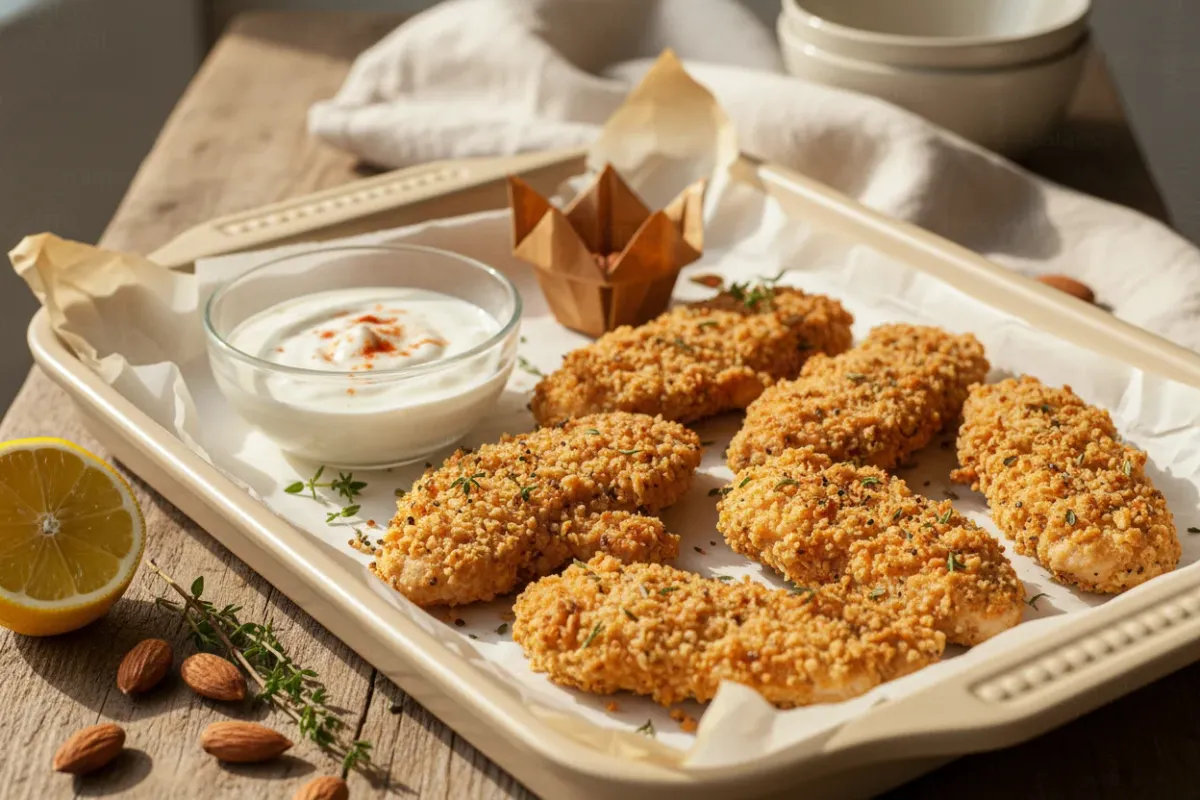
Chicken breast is the most accessible protein source, but it has a bad reputation for being dry. A few tricks to fix that:
- Marinate for at least 30 minutes. Yogurt + spices, soy sauce + honey + garlic, or lemon juice + olive oil + herbs. Acid and fat tenderize the meat.
- Don't overcook it. Internal temperature of 74°C — and take it off immediately. Every extra minute costs you juiciness.
- Let it rest. 5 minutes under foil after cooking — the juices redistribute, and the meat stays moist.
- The butterfly method. Slice the breast lengthwise without cutting all the way through and open it up — the thickness is halved, it cooks faster and more evenly.
- Variety of flavors. Korean, Mexican, Mediterranean marinades — the same breast tastes completely different every time. In the WeightWatchers collection you'll find ideas like Korean chicken drumsticks or slow cooker teriyaki chicken — using just five ingredients.
Sample Daily Menu: 100+ g of Protein
| Meal | Dish | Protein | Calories |
|---|---|---|---|
| Breakfast | 3 egg muffins with spinach | 24 g | 240 |
| Snack | Greek yogurt 150 g + almonds | 17 g | 190 |
| Lunch | Salmon and quinoa bowl | 38 g | 450 |
| Snack | Boiled egg + hummus with veggies | 15 g | 210 |
| Dinner | Turkey kebabs with yogurt sauce | 34 g | 320 |
| Total | 128 g | 1,410 |
This is an example for reference. Individual calorie and protein needs depend on height, weight, activity level, and goals. As the author of the blog Nourish Move Love rightly notes: "Your needs may differ; for personalized recommendations, it's worth consulting a nutritionist or dietitian."
Frequently Asked Questions
How do I get 100 g of protein per day?
The simplest approach is three main meals with 30 g of protein each, plus one or two snacks with 10 g. Spreading protein evenly throughout the day is easier than trying to eat it all at dinner. Start by making sure every meal includes at least one solid protein source: eggs, meat, fish, cottage cheese, or legumes.
What are the most convenient high-protein breakfasts?
Egg muffins (about 8 g of protein each), Greek yogurt bowl with berries (20 g), oatmeal with cottage cheese (22 g). All three options can be prepped ahead or assembled in 5 minutes in the morning.
Which high-protein meals can be made in under 30 minutes?
Salmon and quinoa bowls (20 minutes, 38 g protein), sheet pan chicken and vegetables (25 minutes, 35 g protein), ramen bowl with egg and chicken (10 minutes, 30+ g protein). The secret to speed is simple techniques like single-sheet-pan roasting and using meal prep leftovers.
Which plant-based foods are rich in protein?
Lentils (9 g per 3 tablespoons), tofu (8 g per 100 g), chickpeas, black beans, tempeh, and edamame. They also contain fiber, which provides a lasting feeling of fullness. Combining legumes with grains (rice + beans, quinoa + chickpeas) provides a complete set of amino acids.
How do I make chicken breast juicy and flavorful?
Three key rules: marinate for at least 30 minutes (yogurt, soy sauce, or lemon juice with oil), don't overcook it (remove at an internal temperature of 74°C), and let the meat rest for 5 minutes under foil. A variety of marinades — from Korean to Mediterranean — turns the same breast into a completely different dish every day.
This article is for informational purposes only and is not medical advice. Consult a doctor or dietitian before making dietary changes.