Fiber and Protein on Your Plate: 7 Simple, Filling Dishes
Discover why fiber and protein are your secret to staying full. 7 simple dishes with exact macros, calories, and cottage cheese hacks revealed.
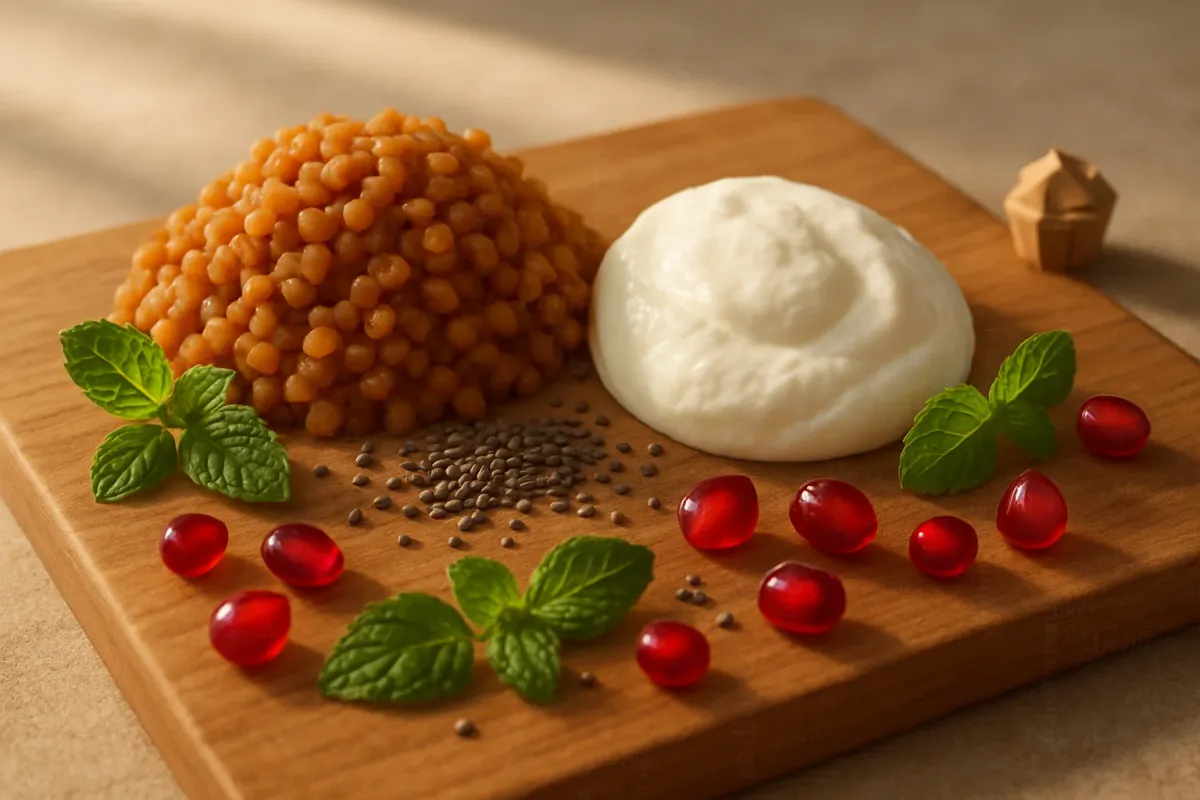
The habit of adding chia or hemp seeds to yogurt and smoothies is a great start. But if you want more than just to sprinkle in something healthy here and there — if you want to put together whole dishes that keep you full for a long time and don't turn into a boring diet — there are plenty of simple solutions. Below are working combinations of fiber and protein, specific foods, approximate calorie-and-macro breakdowns, and a few tricks for hiding cottage cheese so well that no one notices its texture.
Why fiber and protein work specifically as a pair
Fiber and protein are the two most "filling" components of food, and together they work more powerfully than separately.
Fiber slows digestion, gently keeps blood sugar levels steady, and feeds the beneficial bacteria in your gut. It's what gives you that "I ate a solid meal" feeling that doesn't vanish in half an hour. According to the Harvard School of Public Health, most people eat noticeably less fiber than they should — and the target for an adult is roughly 25–30 grams a day.
Protein keeps you feeling full longer than any other macronutrient and helps preserve muscle, especially if a person is watching their calories. In its healthy-eating recommendations, the World Health Organization emphasizes that a balanced diet matters more than any individual "superfoods."
When both components are on the same plate, hunger backs off for several hours — and that removes the main cause of overeating and chaotic snacking. So the point isn't to "eat more protein," but to assemble a dish where fiber and protein support each other.
What to build from: the "workhorse" foods
Before moving on to the dishes, it's useful to keep in mind a short list of foods that provide both. The values are approximate, per a standard serving.
Legumes — champions of combination
- Cooked lentils, 100 g: about 116 kcal, 9 g protein, 0.4 g fat, 20 g carbohydrates, of which roughly 8 g is fiber.
- Cooked black beans, 100 g: about 132 kcal, 9 g protein, 0.5 g fat, 24 g carbohydrates, about 8–9 g fiber.
- Cooked chickpeas, 100 g: about 164 kcal, 9 g protein, 2.6 g fat, 27 g carbohydrates, about 8 g fiber.
This is that rare category where fiber and protein come almost one to one. Half a cup of beans in a soup, salad, or sauce is the cheapest way to tackle both tasks at once.
Seeds and nuts
- Chia seeds, 1 tbsp (≈12 g): about 60 kcal, 2 g protein, 4 g fat, 5 g carbohydrates, of which roughly 4 g is fiber.
- Hemp seeds, 3 tbsp (≈30 g): about 166 kcal, 9–10 g protein, 14 g fat, but little fiber — around 1 g.
Here's an important detail: chia is about fiber, while hemp is about protein and healthy fats. That's exactly why they're worth using together, as you already do in yogurt.
Dairy and plant proteins
- Cottage cheese, 5%, 100 g: about 120–145 kcal, 16–18 g protein.
- Greek yogurt, 150 g: about 130 kcal, around 15 g protein.
- Firm tofu, 100 g: about 120 kcal, 12–15 g protein.
- Edamame (green soybeans), 100 g: about 120 kcal, 11 g protein, 5 g carbohydrates, and about 5 g fiber.
Vegetables and berries for fiber
- Avocado, 100 g: about 160 kcal, 2 g protein, 15 g fat, around 7 g fiber.
- Raspberries, 100 g: about 52 kcal and around 6.5 g fiber — the record-holder among berries.
7 simple dishes where fiber meets protein
1. Yogurt bowl, the "leveled-up version"
This is an upgrade of the familiar yogurt + seeds combo, only assembled as a full meal.
How to assemble it: 150 g of Greek yogurt or cottage cheese, 1 tbsp chia, 1 tbsp hemp seeds, a handful of raspberries (≈80 g), a pinch of cinnamon. It's better to let the chia sit for 10–15 minutes — it will swell and give a pleasant "pudding" texture.
Approximate calories and macros per serving: about 280 kcal, 22 g protein, 11 g fat, 22 g carbohydrates, around 11 g fiber.
Here everything works at once: the yogurt provides protein, the chia and raspberries provide fiber, and the hemp adds protein and creaminess.
2. Lentil dal soup
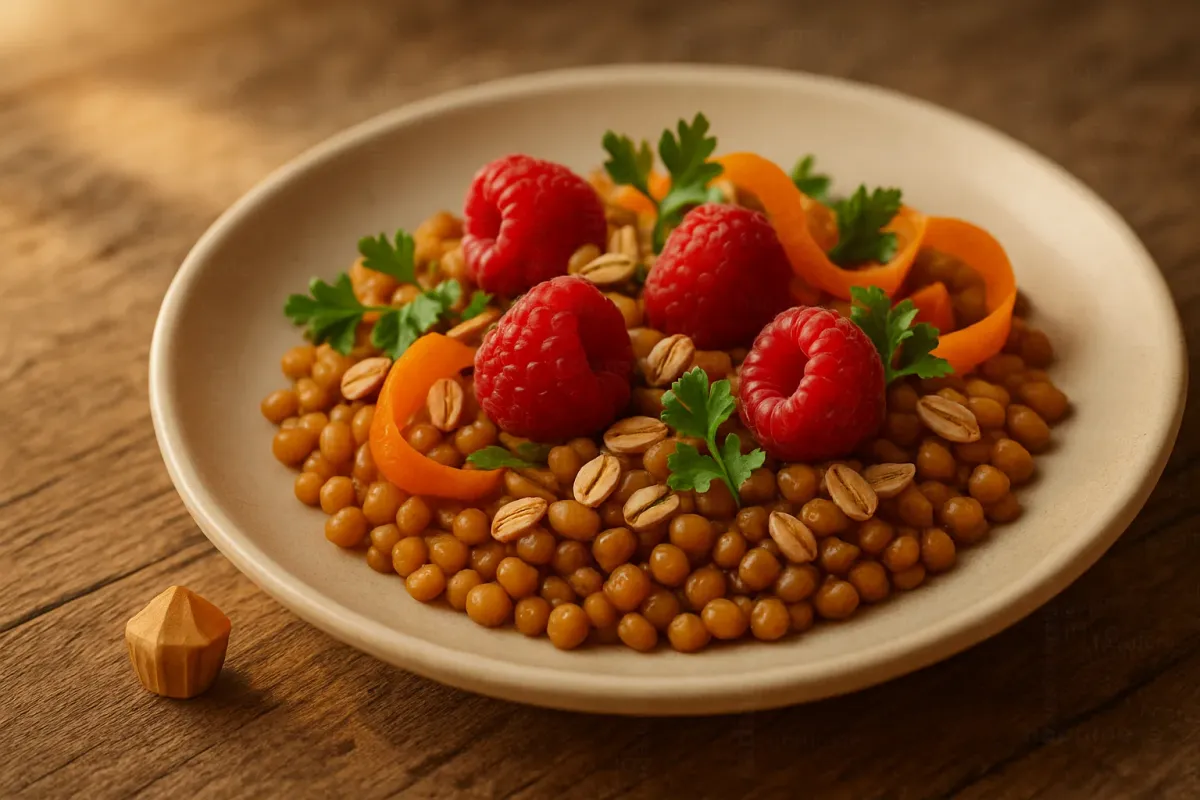
If you want something hot and filling, lentils are the perfect base: they cook down into a soft cream and require no soaking.
How to make it: boil a cup of red lentils with onion, carrot, and garlic, add turmeric, paprika, and tomatoes, and finish with a spoonful of yogurt. One big ladle of this soup covers a solid portion of your daily fiber.
Approximate calories and macros per serving (≈350 g): about 300 kcal, 18 g protein, 5 g fat, 45 g carbohydrates, around 12–14 g fiber.
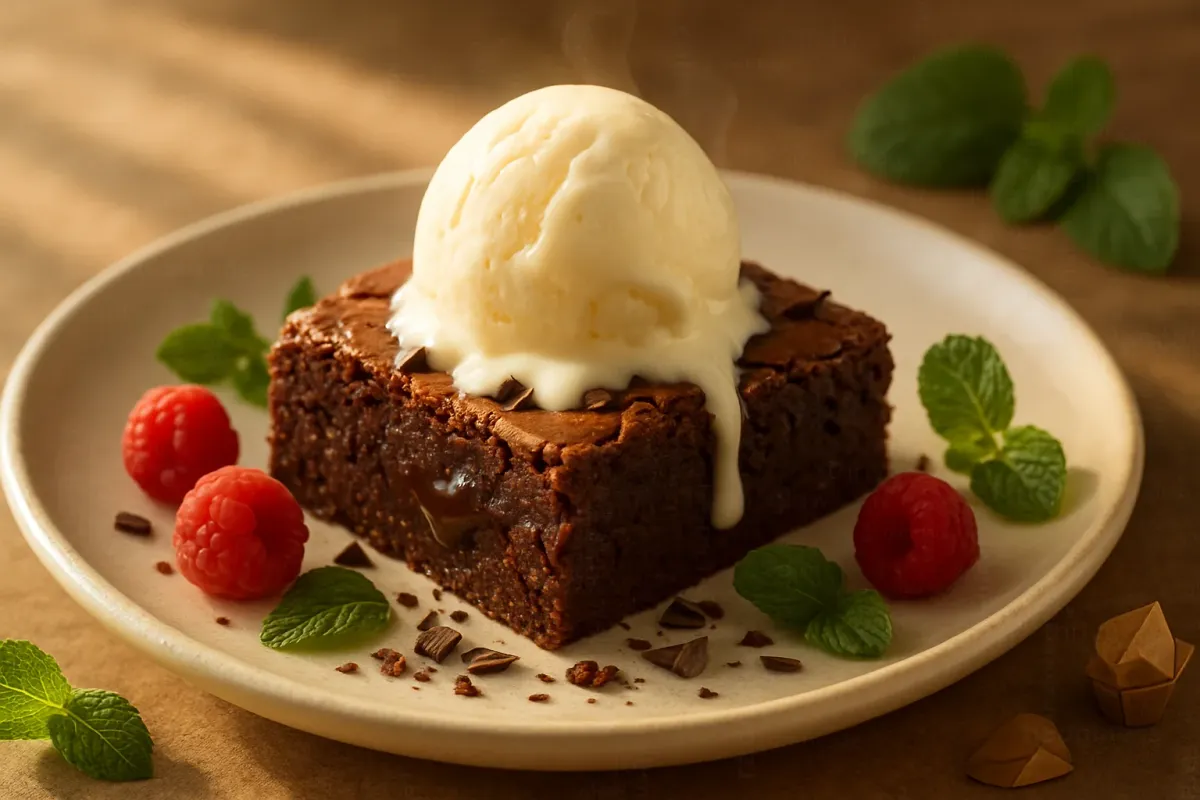
3. Chocolate mousse with hidden cottage cheese
This one is made precisely for those who don't like the texture of cottage cheese: when it's whipped, the texture disappears completely.
How to make it: 200 g cottage cheese, 1 tbsp cocoa, a bit of sweetener (banana, honey, or a sugar substitute), a pinch of vanilla — blend with a hand blender until smooth and creamy. You get a dense chocolate mousse without a single grain. Optionally, add a spoonful of chia on top for fiber.
Approximate calories and macros per serving: about 230 kcal, 30 g protein, 6 g fat, 14 g carbohydrates.
The main trick: the blender breaks up the grainy structure, while the cocoa and vanilla mask the dairy aftertaste. That way the cottage cheese becomes an invisible "carrier" of protein in a dessert.
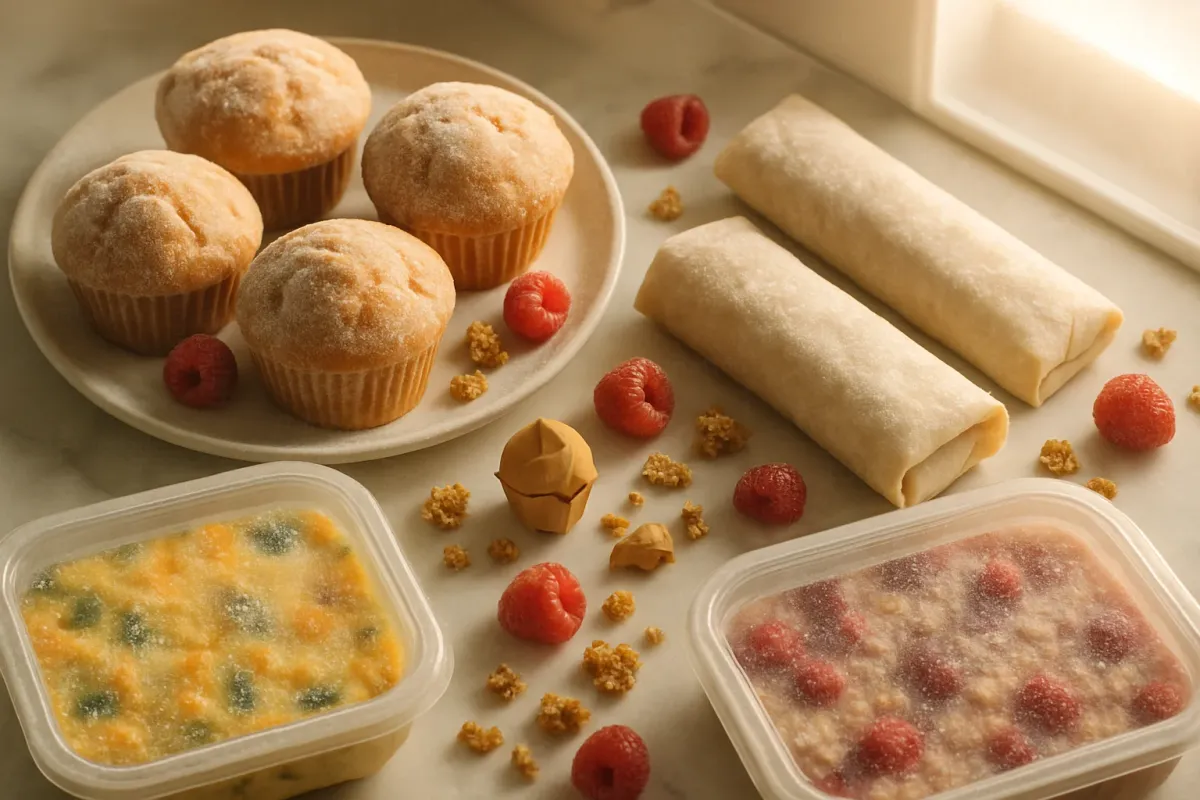
4. Overnight oats
The perfect breakfast for those who don't want to cook in the morning: it's all assembled the night before.
How to assemble it: 40 g of oat flakes, 1 tbsp chia, 150 ml of milk or yogurt, a spoonful of protein powder or hemp seeds, and berries. Leave it in the fridge overnight — the flakes and chia will absorb the liquid and turn tender.
Approximate calories and macros per serving: about 320 kcal, 18 g protein, 9 g fat, 40 g carbohydrates, around 9 g fiber.
The oats and chia provide fiber, the protein powder or hemp adds protein — and the dish keeps you full until lunch.
5. Chickpea salad with herbs
The fastest way to put together a filling lunch with no cooking — if you use ready-made canned chickpeas.
How to assemble it: a can of chickpeas, cucumber, tomatoes, red onion, parsley, lemon juice, and a spoonful of olive oil. Optionally — pieces of feta or an egg for extra protein.
Approximate calories and macros per serving (≈300 g): about 330 kcal, 14 g protein, 12 g fat, 40 g carbohydrates, around 11 g fiber.
6. Scramble with beans and vegetables
A breakfast that's easy to turn into a hearty meal for the whole day.
How to make it: beat 2 eggs and fry them with half a cup of black beans, spinach, and tomatoes. Top with avocado.
Approximate calories and macros per serving: about 360 kcal, 22 g protein, 20 g fat, 22 g carbohydrates, around 11 g fiber.
The eggs and beans provide protein, the beans and avocado provide fiber and healthy fats.
7. Smoothie with disguised cottage cheese
Another dish made specially for those who dislike cottage cheese: in a smoothie its texture dissolves completely.
How to assemble it: 100 g cottage cheese, a banana, a handful of frozen berries, 1 tbsp chia, 200 ml of milk — blend until smooth. The chia gives a light thickness, and the berries and banana fully mask the taste of the cottage cheese.
Approximate calories and macros per serving: about 290 kcal, 20 g protein, 7 g fat, 38 g carbohydrates, around 8 g fiber.
How to disguise cottage cheese: three proven techniques
Since the question of cottage cheese texture bothers many people, here's a short "cheat sheet" on how to make it unnoticeable:
- Whip it with a blender. The graininess goes away when the cottage cheese turns into a smooth cream. This is how you make mousses, fillings for syrniki, and other fillings.
- Hide it behind bold flavors. Cocoa, vanilla, banana, peanut butter, berries — all of these cover the dairy aftertaste.
- Bake it. In casseroles, protein muffins, and cheesecakes, cottage cheese loses its recognizable texture and simply becomes a dense, creamy base.
These techniques add 15–18 g of protein per serving with almost no fat — and the "cottage-cheese-ness" isn't felt at all.
Simple swaps to add fiber and protein without recipes
Sometimes you don't need to cook anything — it's enough to replace one product with another:
- White rice → quinoa or bulgur. More fiber and a bit more protein for the same volume of side dish.
- Regular pasta → legume pasta (chickpea, lentil): one serving can provide twice as much protein and fiber.
- Snack cookies → a handful of edamame or roasted chickpeas. A crunchy snack with protein and fiber instead of "empty" carbs.
- Sour cream in sauces → Greek yogurt. The same creaminess, but more protein and less fat.
- Half the ground meat → lentils. In patties, Bolognese, and fillings, lentils are almost unnoticeable but add fiber.
These swaps don't require willpower and don't turn your eating into a "diet" — they simply make familiar dishes more nutritious.
How not to overdo it with fiber
One important nuance: if your diet is currently low in fiber, you should increase it gradually. A sudden jump from your usual level to 30 g a day can cause bloating and discomfort. It's better to add one "fiber" food per week and drink enough water — this is especially true for chia, which absorbs a lot of liquid. The body adapts, and after a couple of weeks portions of legumes and seeds are easy to handle.
Try it yourself
The easiest way to start is with what already works: keep your favorite yogurt with chia and hemp seeds, but once a day add something from the "workhorses" to it — a ladle of lentil soup at lunch, a chickpea salad, or a whipped chocolate mousse for dessert. After a week you'll notice that you want to snack less often, and that the dishes have become more interesting.
The most underrated move is to hide cottage cheese in a smoothie or mousse. This delivers 20–30 g of protein in a single meal with no unpleasant texture, and that's exactly where those who used to steer clear of cottage cheese should begin. Put together one such dessert today — and the day's calories and macros will tip in your favor with almost no effort.
This article is for informational purposes only and is not medical advice. Consult a doctor or dietitian before making dietary changes.