310-Calorie Brownie with Ice Cream: A Guilt-Free Fitness Recipe
Don't give up dessert while dieting. This 310-calorie brownie with ice cream recipe is high in protein and fiber—guilt-free chocolate indulgence awaits.
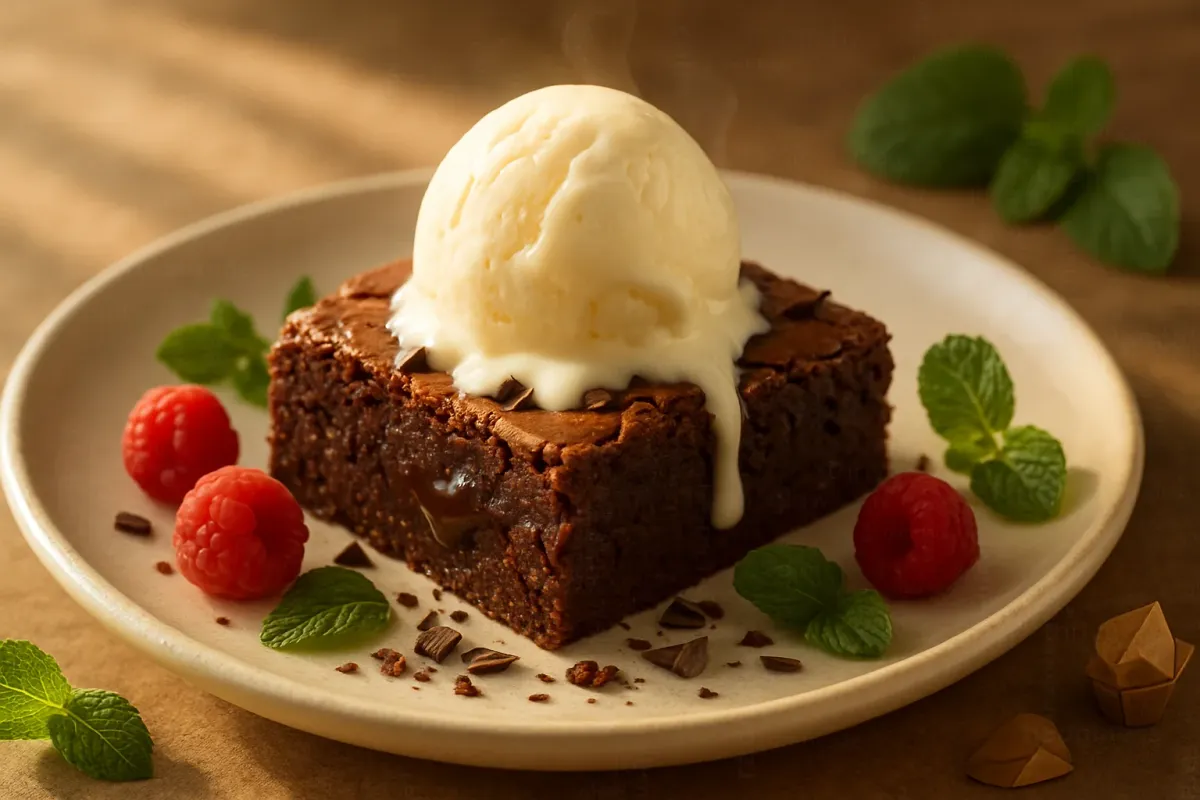
Brownie with Ice Cream — A Dessert That Won't Wreck Your Calorie Budget
A warm chocolate brownie with a scoop of silky ice cream on top — sounds like forbidden fruit for anyone counting calories. A classic serving of this dessert at a café can easily exceed 500–600 kcal, and if you add chocolate sauce and whipped cream, it can top 800. But what if the exact same pleasure — warm batter, cold ice cream, rich chocolate flavor — could fit into just 310 kcal?
This is not a marketing gimmick or a microscopic "one-bite" portion. It's a carefully designed fitness version where every ingredient works for both taste and your body. According to Dining and Cooking, the entire dessert — brownie plus a scoop of ice cream — comes in at 310 kcal while packing 19 g of protein and 14 g of fiber. For comparison: a single serving of Ben & Jerry's Chocolate Fudge Brownie Ice Cream without any brownie is already 350 kcal, 18 g of fat, and 37 g of sugar. The difference is staggering.
Why Classic Brownie with Ice Cream Is a Calorie Bomb
To appreciate the value of the fitness version, it's worth understanding what exactly makes the traditional dessert so heavy.
Butter and Sugar — The Foundation of a Classic Recipe
A traditional brownie is built on three pillars: butter, sugar, and all-purpose flour. One tablespoon of butter is roughly 100 kcal of pure fat. A standard recipe for 8 servings calls for at least 100–120 g of butter, adding 90 to 130 kcal per slice from fat alone. Sugar contributes another 50–80 kcal per serving while providing zero protein or fiber — just fast-acting carbs and a blood sugar spike.
Ice Cream Doubles the Problem
Regular cream-based ice cream runs 200–250 kcal per 100 g. A café serving (two scoops, roughly 130–150 g) easily adds 300 kcal on top of the already calorie-dense brownie. As noted by SnapCalorie, a 238 g serving (one cup) of brownie ice cream contains 476 kcal, 23.8 g of fat, and 47.6 g of sugar. The source explicitly states that this dessert is "typically high in calories and saturated fat" and contains trans fats.
Chocolate Sauce — The Stealth Hit
A couple of tablespoons of chocolate syrup add another 100–130 kcal. Whipped cream from a can tacks on another 50–80. As a result, a full plate of "brownie with ice cream" at a restaurant can cost 700–900 kcal, which is a third or even half the daily allowance for many people.
What Makes Up the 310 Kcal: An Ingredient Breakdown
The secret to a low-calorie brownie isn't making the portion tiny — it's replacing empty calories with hard-working nutrients.
Brownie: 224 Kcal with Serious Substance
The fitness brownie in this recipe contains 224 kcal per serving. But look at the macros: 19 g protein, 14 g fiber, only 14 g net carbs, and 8 g fat. This isn't just "something sweet with tea" — it's a complete snack that keeps you full for hours.
Where do those numbers come from? Instead of butter and all-purpose flour, the recipe uses protein powder, cocoa, oat or almond flour, and egg whites. Protein provides structure and, well, protein; cocoa delivers a rich chocolate flavor without extra calories (one tablespoon of cocoa powder has just 12 kcal); and fiber from oats or psyllium husk ensures satiety and the right texture.
Preparation is dead simple: mix the dry ingredients with the wet ones, and pop everything into the microwave for 2 minutes or into the oven. No double boiler, no tempering chocolate — quick, easy, and no culinary degree required.
Ice Cream: 30 Kcal per Scoop
Sounds unreal? But that's exactly how much a scoop of ice cream made with modern fitness recipes contains. According to the same source, one scoop of ice cream from a Ninja Creami adds only 30 kcal to the dessert. The base ingredients are frozen banana, protein powder, and a splash of milk or yogurt. No heavy cream, no sugar.
Chocolate Chips: A 60-Kcal Option
For those who want added texture and "real" chocolate chunks, the recipe includes sugar-free chocolate chips — 15 g per serving, adding about 60 kcal. Even with them, the total dessert stays within 310 kcal, which is half of a standard serving.
Macros: A Comparison Table
Hard numbers are the best argument. Here's how the fitness version stacks up against classic counterparts:
| Dessert | Kcal | Protein | Fat | Carbs | Fiber |
|---|---|---|---|---|---|
| Fitness brownie + ice cream | 310 | 19 g | 8 g | 14 g (net) | 14 g |
| Ben & Jerry's Chocolate Fudge Brownie (140 g) | 350 | 6 g | 18 g | 43 g | — |
| Brownie ice cream, 1 cup (238 g) | 476 | 7.9 g | 23.8 g | 63.5 g | — |
| Classic brownie + 2 scoops of cream-based ice cream | ~650 | ~8 g | ~35 g | ~75 g | ~2 g |
The difference is striking. The fitness version contains 2–3 times more protein, 2–4 times less fat, and 3–5 times fewer carbs. And 14 g of fiber is nearly half the daily recommended intake (25–30 g per day). It's precisely fiber that provides the feeling of fullness so sorely missing after regular sweets.
How to Make It: A Step-by-Step Guide
Step 1: Brownie in 5 Minutes
Prep takes minimal time. Mix the dry ingredients — chocolate protein powder, cocoa powder, baking powder, a pinch of salt. Separately, whisk the wet ingredients — an egg white (or a whole egg), a splash of milk, sweetener to taste (erythritol, stevia, or monk fruit). Combine everything until smooth.
Then choose: microwave for 1.5–2 minutes or oven at 180°C (350°F) for 12–15 minutes. The microwave yields a softer, fudgier texture — exactly what you want in a classic brownie. The oven gives a slightly denser crust on top.
Step 2: Ice Cream Without Cream
For ultra-low-calorie ice cream, a frozen banana base works beautifully — it delivers a creamy texture without a single gram of heavy cream. You can use specialized devices like a Ninja Creami, or simply blitz frozen banana pieces in a powerful blender with a spoonful of cocoa and a couple of tablespoons of Greek yogurt.
Another option gaining popularity is ice cream based on cottage cheese. As described on rachLmansfield, making protein brownie-batter ice cream requires just 5 ingredients: cottage cheese, banana, maple syrup or honey, vanilla extract, and brownie pieces. This dessert is gluten-free, egg-free, nut-free, vegetarian-friendly, and keeps in the freezer for up to 2 months. It only needs 1–2 hours in the freezer to set.
Step 3: Assembly
Warm brownie on a plate, a scoop of cold ice cream on top. The temperature contrast — hot batter and icy cream — creates that very magic that makes this dessert beloved around the world. Optionally, add a few sugar-free chocolate chips, a pinch of flaky sea salt, or a drizzle of peanut butter.
Why Protein and Fiber in a Dessert Matter
Protein: Satiety and Muscle
19 g of protein in a single dessert is a serious number. For comparison, a serving of classic Ben & Jerry's ice cream has just 6 g of protein. Protein slows carbohydrate absorption, prevents sharp blood sugar spikes, and helps you stay full longer. For those who work out, it's also a contribution to muscle recovery — especially if the dessert is eaten post-workout.
Fiber: The Unsung Hero
14 g of fiber is more than what you'd find in three apples. Fiber slows digestion, stabilizes blood sugar levels, and supports healthy gut microbiota. Regular desserts contain virtually no fiber — white flour, sugar, and butter have zero dietary fiber. That's why you're hungry again an hour after a slice of cake or a bowl of ice cream, but not after a fitness brownie.
Fat: Minimal Without Sacrificing Flavor
8 g of fat for the entire dessert is less than a single tablespoon of butter. A classic serving contains 18–35 g of fat, a significant portion of which is saturated fat and even trans fats. As NutriBit points out, regular brownie ice cream scores just 48 out of 100 on the health rating specifically because of its high sugar and saturated fat content. The fitness version is free of these drawbacks.
Where 310 Kcal Fits in Your Daily Diet
On a Calorie Deficit (1,500–1,800 kcal/day)
310 kcal is roughly 17–20% of your daily calorie budget. Perfectly acceptable as a full snack or a dessert after lunch. The 19 g of protein make this dessert more valuable than many "healthy" snacks like protein bars, which often contain more sugar and less fiber.
At Maintenance (2,000–2,500 kcal/day)
Here, 310 kcal is just 12–15% of your daily allowance. You can enjoy this dessert every day with zero impact on your weight, especially if the rest of your diet is balanced.
While Bulking (2,800–3,500 kcal/day)
For those in a gaining phase, this dessert is a light snack with a solid protein punch. You can increase the ice cream portion or add a spoonful of nut butter to bring the total up to 400–450 kcal.
Common Mistakes When Making Fitness Brownies
Overcooking in the Microwave
The most common issue is leaving the brownie in too long. In the microwave, things move fast: an extra 20–30 seconds turns a tender fudge into dry rubber. It's better to take it out slightly early — the center will finish cooking from residual heat.
Too Much Sweetener
Erythritol, stevia, and other sugar substitutes are sweeter than sugar, and overdoing it produces an unpleasant chemical aftertaste. Start with the minimum amount and add to taste. Cocoa powder on its own delivers a deep chocolate flavor that doesn't need excessive sweetness.
Skipping the Salt
A pinch of salt isn't just a habit. Salt enhances the chocolate flavor, balances sweetness, and makes the dessert taste more complex. Without it, the brownie will taste flat and dull no matter how much cocoa you add.
Wrong Ice Cream Texture
If banana-based ice cream turns out too icy, the problem is usually insufficient blending or the banana being frozen for too long. Freshly frozen banana (sliced into rounds and frozen for 3–4 hours) yields the creamiest texture. Adding a spoonful of Greek yogurt or protein powder also improves the consistency.
Variations: How to Change the Flavor While Keeping the Calories
The base recipe is a starting point. Here are a few ideas for variety:
- Mint brownie: add 2–3 drops of peppermint extract to the batter. An "After Eight" flavor with no extra calories.
- Peanut butter: a tablespoon of PB2 (powdered peanut butter, 25 kcal) in the batter or in the ice cream.
- Salted caramel: a pinch of coarse sea salt on top + a few drops of caramel flavoring in the ice cream.
- Berry contrast: swap the chocolate chips for a handful of fresh raspberries. The tartness of the berries beautifully complements the chocolate.
- Coffee: dissolve a teaspoon of instant coffee into the brownie batter for a mocha version with zero additional calories.
Storage and Meal Prep
Fitness brownies are perfect for weekly meal prep. You can make 5–7 servings at once, wrap each one in plastic wrap, and store them in the fridge for up to 5 days or in the freezer for up to a month. Before serving, 30 seconds in the microwave and the brownie is warm and soft again.
Banana and cottage cheese ice cream, according to rachLmansfield, keeps in the freezer for up to 2 months in a sealed container. Before serving, let it sit out for 5–10 minutes — this makes the texture creamier and easier to scoop.
This approach is ideal for anyone who follows a meal prep routine: the dessert is ready in advance, the calories are already counted, and all that's left is to assemble and enjoy.
Frequently Asked Questions
How many calories are in a classic brownie with vanilla ice cream and chocolate syrup?
On average, 600 to 900 kcal depending on portion size. A butter-and-sugar brownie alone is 300–400 kcal, two scoops of cream-based ice cream add 200–300 kcal, and chocolate syrup tacks on another 100–130 kcal. According to SnapCalorie, even one cup (238 g) of brownie ice cream contains 476 kcal.
Is a brownie a high-calorie dessert compared to other baked goods?
A classic brownie is one of the most calorie-dense baked goods due to its high butter and sugar content. One piece (roughly 60–80 g) contains 250–350 kcal, comparable to a large muffin or two chocolate chip cookies. However, the fitness version made with protein powder and no butter changes the picture dramatically — 224 kcal with 19 g of protein and 14 g of fiber.
What are the macros for brownie ice cream?
It depends on the recipe. Standard ice cream with brownie pieces contains about 7.9 g protein, 23.8 g fat, and 63.5 g carbs per cup (238 g), as reported by SnapCalorie. The fitness version per serving: 19 g protein, 8 g fat, 14 g net carbs — a fundamentally different ratio in favor of protein and fiber.
Can you eat this dessert every day while losing weight?
With a properly managed calorie deficit — yes. 310 kcal with 19 g of protein and 14 g of fiber is not an "empty" dessert but a substantial meal that fits into most eating plans. The key is to count these calories in your total daily balance and not add unplanned toppings to the dessert.
This article is for informational purposes only and is not medical advice. Consult a doctor or dietitian before making dietary changes.