Meal Prep Reimagined: Freeze It Raw, Not Cooked
Rethink your meal prep strategy. Discover why freezing meals raw works—and the real benefits of this counterintuitive approach to weekly food prep.
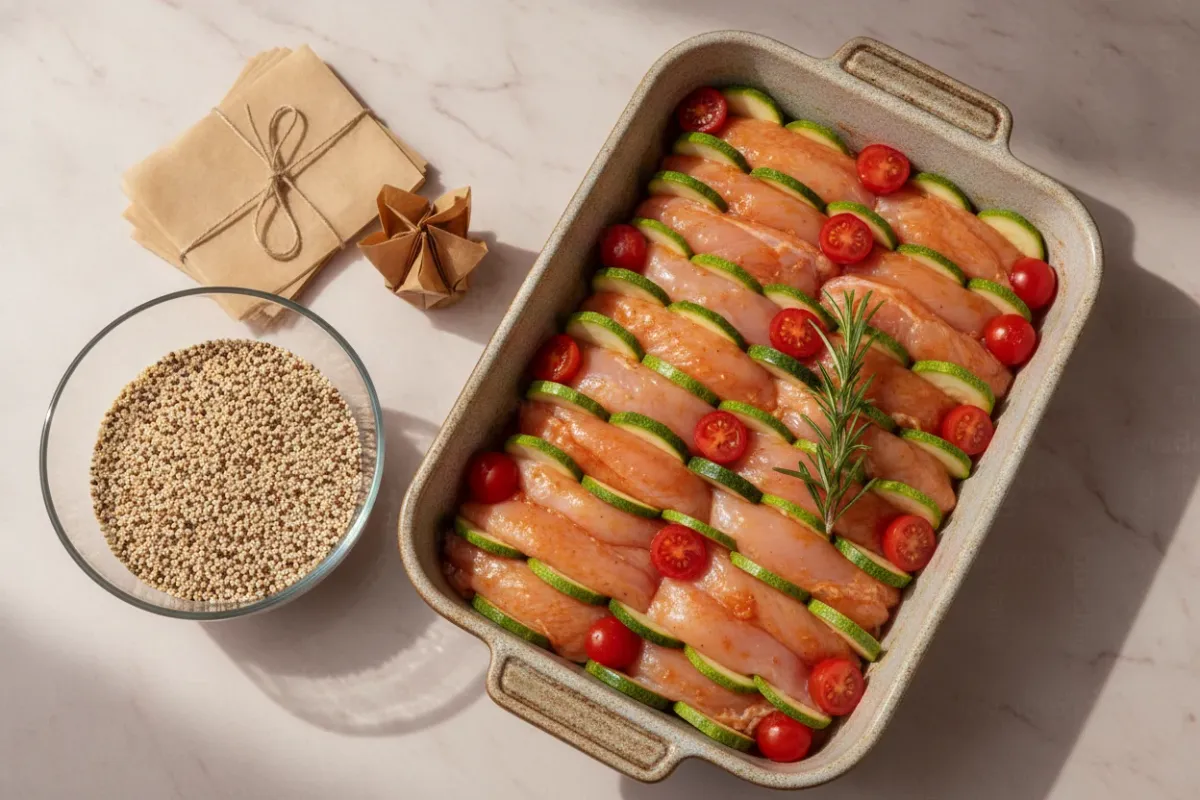
The scenario is familiar to many: someone hops onto a forum to see how others cook food for the week, and suddenly starts doubting their own method. Everyone around them is packing fully cooked lunches into containers — rice, chicken, vegetables, all already cooked and waiting to be reheated. But someone does it differently: they cook a couple of extra portions at dinner and freeze the surplus raw — as an assembled but not-yet-baked dish. And so the question arises: "Am I even doing meal prep right?"
The short answer is yes. There's no right or wrong way to prep food — there's only the way that fits a particular rhythm of life. And the "raw" approach has some very concrete upsides worth discussing in detail.
Two Philosophies of Prepping: Cooked vs. Raw
The term "meal prep" (preparing food in advance) usually means one thing: sit down on a Sunday, cook a week's worth of containers, and eat out of the fridge. But within that idea live two very different approaches.
The Classic Way: A Finished Dish in a Container
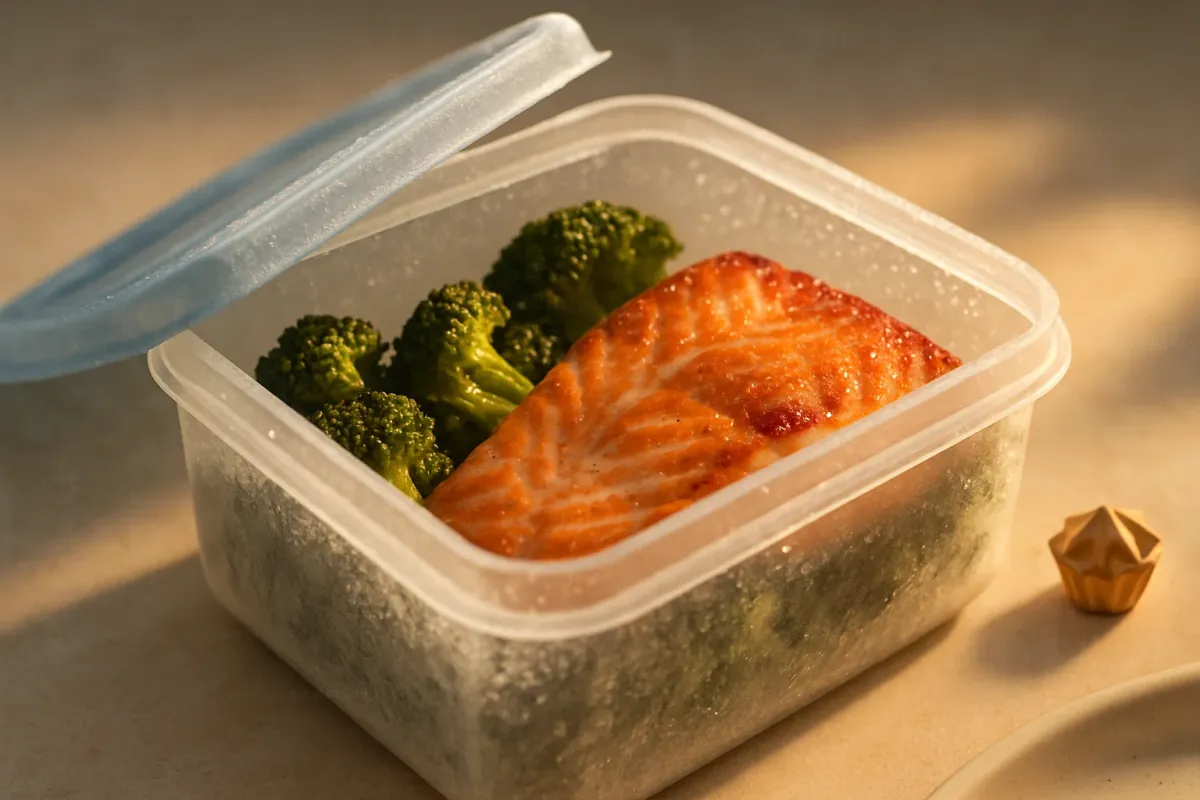
This is what's most often shown on social media. In one go, a person boils, stews, and fries several portions at once, packs them into containers, and stores them in the fridge for 3–4 days or freezes them for longer. The main upside is speed on weekdays: open it, microwave it for two minutes, eat.
The downsides are clear, too. First, by Thursday the same old chicken with buckwheat starts to feel depressing — there's no choice, you have to eat what's been cooked. Second, reheating doesn't do the texture any favors: broccoli goes soft, meat gets a bit dry, and freshness is already lost by the second day. Third, a finished dish loses out in flavor to a freshly cooked one after cooling and storage.
The Raw Way: Assemble the Dish and Freeze It Before Baking
The second approach is to prepare the ingredients, assemble the dish from them, but not cook it through. Marinated fillet, chopped vegetables, a casserole base, or a tray of traybake (everything on a single sheet) goes into the freezer raw. On the day you want it, you simply put the prepped dish in the oven — and in 30–40 minutes there's a hot meal on the table, one that tastes almost indistinguishable from something just assembled.
This is exactly where the often-underestimated advantage lies: you only need to cook once or twice a week, yet freedom of choice is preserved — what to eat, and when. Feel like baked fish today instead of chicken? You pull out the right prepped portion. It's not a conveyor belt of identical containers, but a small personal "freezer menu."
Why Freezing Raw Actually Works
This method has at least three rational foundations, and they're not about trends — they're about physics, chemistry, and common sense.
Less heat treatment — more nutrition. Every "cooked → cooled → reheated" cycle is extra heating. Some water-soluble vitamins (especially vitamin C and the B group) are destroyed by heat and prolonged contact with water. When a dish is cooked from a raw prep just once, right before eating, it undergoes heat treatment only a single time. The Nutrition Source from the Harvard School of Public Health writes in detail about how heat affects the nutritional value of vegetables.
Texture and freshness are better preserved. Raw chicken, marinated and frozen, stays juicy after baking. Pre-cooked and reheated twice — it's almost always drier. Vegetables in a raw prep don't turn to mush, because they're cooked to a "just-made" state right in the oven.
Freezing halts spoilage more safely than it seems. At around −18 °C, bacteria don't die, but they don't multiply either — the product stays "on pause." That's precisely why properly frozen raw meat, fish, or vegetables are safe indefinitely, and the storage time limit relates only to a loss of quality, not a risk of poisoning. This is confirmed by the freezing safety guide from the USDA's FSIS.
Safety: A Few Rules Worth Following
Raw meal prep is safe, but it requires care — especially with meat, poultry, and fish. A few guidelines that make the process reliable:
- Freeze quickly and on the day of purchase/preparation. The faster a product passes through the "danger" temperature zone, the less the microflora manages to multiply. Freeze fresh products right away, without leaving them to "ripen" in the fridge for several days.
- Don't thaw at room temperature. Raw meat and poultry are safer thawed in the fridge on the bottom shelf. Better still — many raw preps (especially vegetable traybakes and casseroles) can go into the oven straight from the freezer, just with increased cooking time.
- Don't refreeze raw thawed meat. If a prep has thawed, cook it — don't put it back in the freezer.
- Bring it to a safe internal temperature. Poultry is considered done at +74 °C inside, whole cuts of meat at +63 °C. A kitchen thermometer settles all doubts. The basics of food handling are well laid out by Rospotrebnadzor.
Following these points isn't hard, and in return you get a system you can trust.
How to Assemble a Raw Prep: Step by Step
The process itself is simpler than cooking a full dinner, because it doesn't require finishing the dish.
Step 1. Choose "Freezer-Friendly" Dishes
These behave best:
- marinated meat and poultry (fillets, thighs, steaks);
- fish and seafood in a marinade or with herbs;
- vegetable traybakes — a tray of chopped vegetables with oil and spices;
- casserole and gratin bases (without cooked potato inside);
- raw cutlets and meatballs, laid out on a tray.
Step 2. Portion Them Out and Freeze "on Separate Sheets"
So the pieces don't stick together into one lump, the prep is first partially frozen spread out on a board or tray, and only then transferred to a bag or container. Then you can take exactly one portion out of the freezer, rather than chipping it off a single block.
Step 3. Label With Macros and Date
This is the secret that turns the freezer from a "warehouse of the unknown" into a convenient menu. On each bag — the name of the dish, the freezing date, and the macros per portion. Tallying the values once during assembly is far easier than guessing later, and it makes managing your diet much simpler.
An example of a simple prep — chicken fillet with broccoli on a tray:
- chicken fillet — 150 g;
- broccoli — 100 g;
- olive oil — 1 tsp (5 g).
Approximate macros per portion: about 250 kcal, protein — 36 g, fat — 8 g, carbs — 7 g.
A portion like this comes together in a couple of minutes, and bakes from frozen in 35–40 minutes at 200 °C. The figures are approximate and depend on the specific products, but a labeled prep saves you from having to recalculate everything each time.
Step 4. Cook Whenever You Like
On a weeknight, all that's left is to take out the bag you want and put it in the oven. No cooking "from scratch," no dirty dishes from three pots — and yet a full, hot meal to suit your mood.
Where the Raw Method Falls Short (and That's Okay)
Honesty matters more than fanaticism: raw meal prep isn't right for everything.
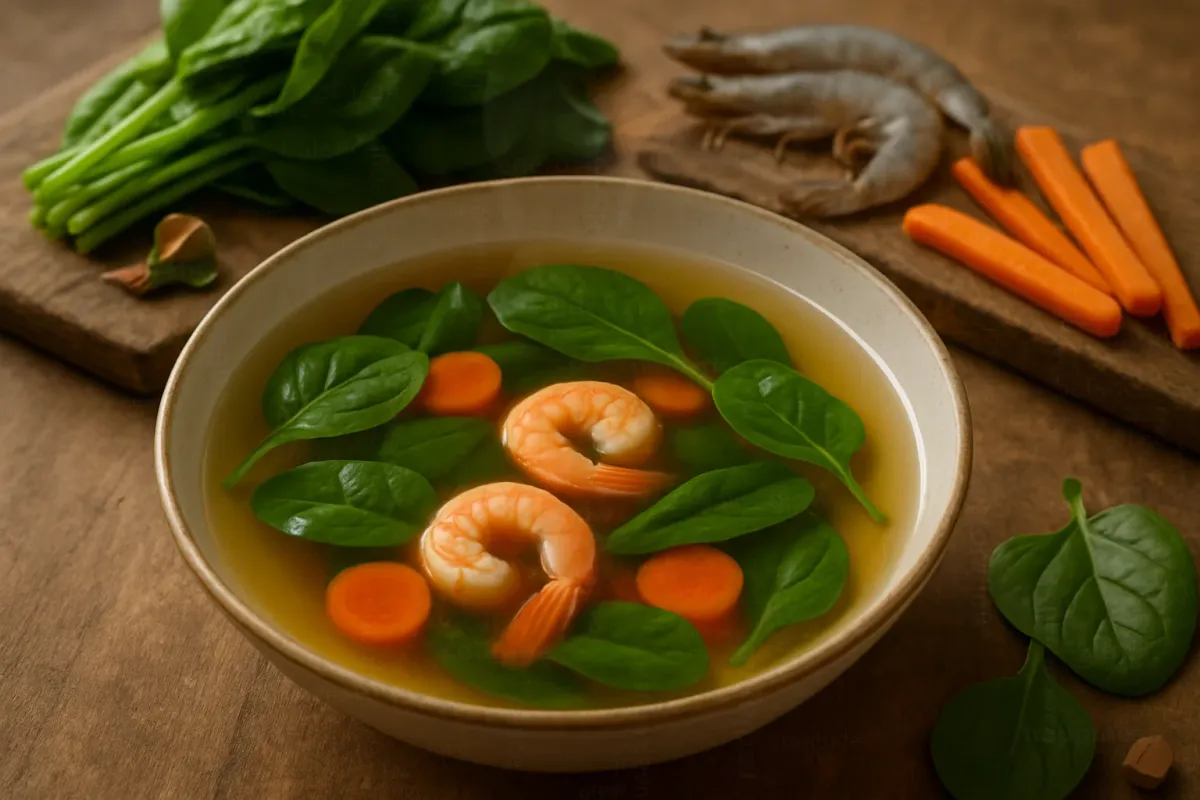
- Soups, stews, curries, and braised dishes are more convenient to cook in advance and freeze already cooked — their flavor even benefits from storage, and reheating a pot is easier than baking something.
- Dishes with potatoes and raw eggs in them behave capriciously when frozen: potatoes can turn watery, and the texture of egg casseroles can change.
- When you need to eat right now, microwaving something already cooked is still faster than baking.
That's why many people end up combining: they keep some things cooked for "fast" days, and some things raw, for a fresh dinner. And that's perhaps the most sensible option.
Preps and Macro Tracking: Why It Helps You Eat Mindfully
Any form of meal prep beats spontaneous decisions for one reason — it removes the "what should I eat" question in the moment of hunger, when your hand reaches for whatever's easiest. When the freezer holds labeled portions with a clear composition and macros, the choice has already been made in advance and in a calm state.
This is precisely a mindful approach to food without strict restrictions: not forbidding yourself everything, but arranging things in advance so that the healthy option turns out to be the most convenient one. Balanced portions with a clear ratio of proteins, fats, and carbs help keep calories under control — without weighing every piece amid the stress of a weeknight evening. Harvard's "Healthy Eating Plate" clearly explains how to build a plate on the principle of balance.
So Who Actually Does Meal Prep "Right"?
The person who does it regularly. Finished containers and raw preps aren't competitors but two tools for different tasks. Fully cooked dishes win on speed and are handy for soups and braised dishes. Raw preps win on freshness, variety, and freedom of choice, and you only have to cook once or twice a week.
Doubts like "everyone online does it differently, so I must be doing it wrong" are almost always a false alarm. If the system saves time, helps you eat varied meals, and keep your macros under control — it works. And someone else's container of chicken and rice doesn't make it any worse.
Give It a Try
It's worth starting small: the next time dinner is being made in the kitchen, you can assemble one or two extra portions — but not cook them through, freezing them raw instead. Label the bag, note the macros, add the date. A week later, on a tired evening, this prep will turn into a fresh hot dinner in the time it takes to preheat the oven.
Preps aren't about boring, identical containers, nor about fanatical control. They're about caring for yourself in advance: so that healthy, tasty food is always at hand exactly when you no longer have the energy to cook. And a tasty, balanced snack — whether a protein dessert or a pre-assembled baked portion — is always worth making a little room for in the freezer.
This article is for informational purposes only and is not medical advice. Consult a doctor or dietitian before making dietary changes.