Lemon Blueberry Cake: A Healthy Recipe for a Beloved Classic
Learn why lemon and blueberry are the ultimate cake pairing. Get a healthy lemon blueberry cake recipe with antioxidant-rich berries and fresh citrus.
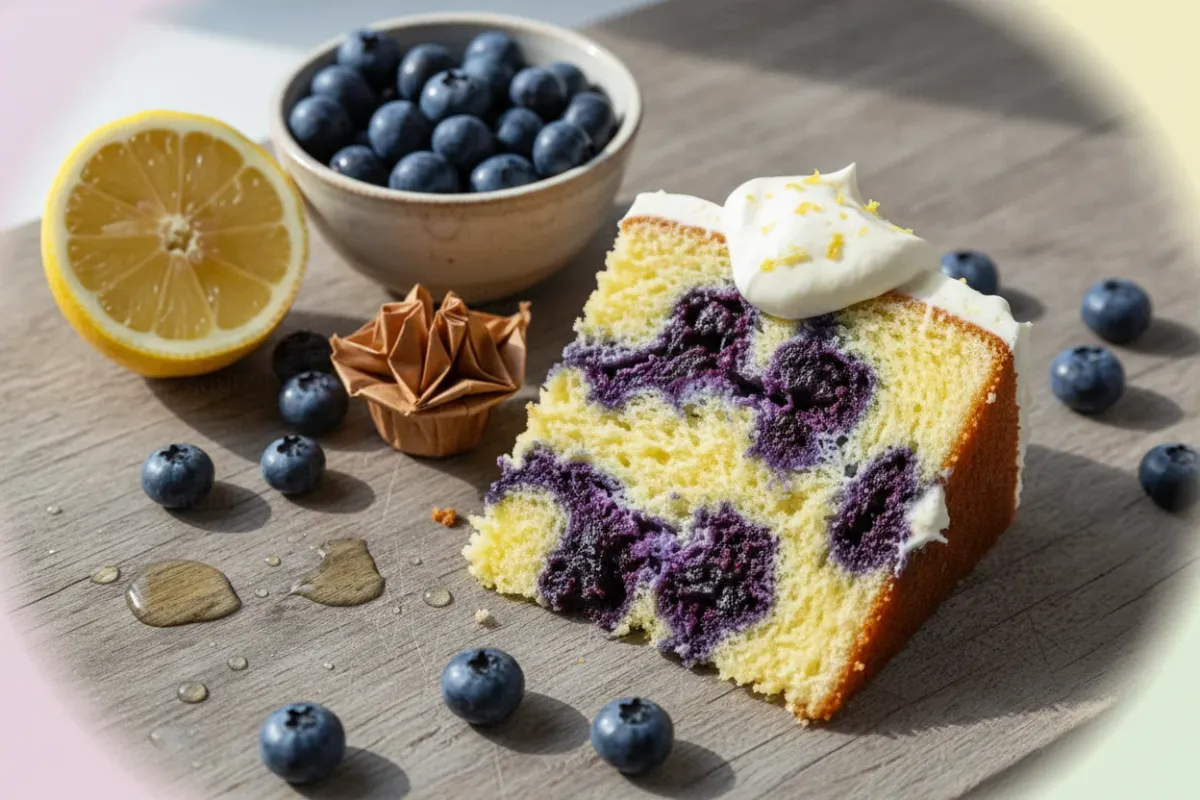
Why Lemon and Blueberry Are the Perfect Pair
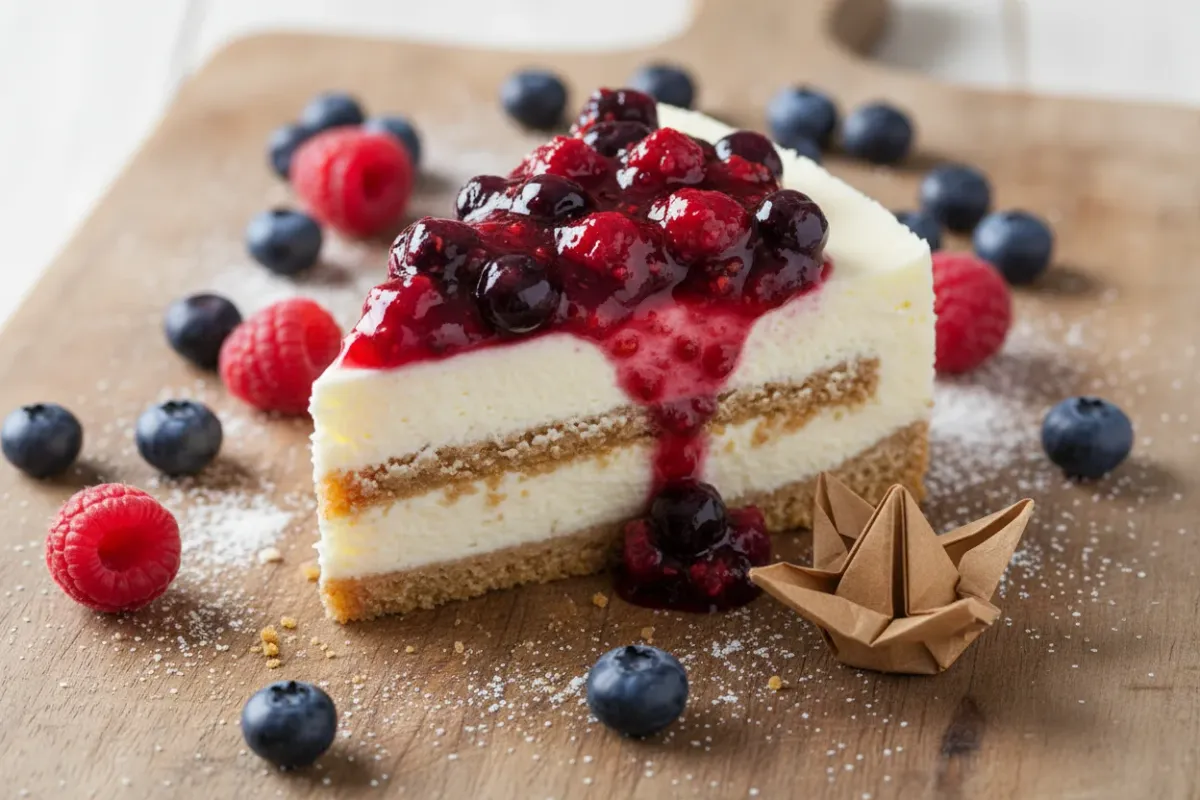
The combination of lemon and blueberry is more than just a culinary tradition. There's real science behind it. As Tasting Table notes, two ingredients pair well when they share aromatic compounds. In the case of lemon and blueberry, a different mechanism is at work: the acidity of the citrus balances the sweetness of the berries and neutralizes their slight bitterness, revealing more subtle flavor nuances.
Lemon adds a freshness that "cuts through" the richness of blueberry baked goods. That's why most blueberry recipes include a citrus component — whether it's a splash of juice in jam or strips of zest in a pie filling.
For those who watch their nutrition, this combination is a real gift. Blueberries are one of the lowest-calorie berries (about 57 kcal per 100 g), yet rich in antioxidants, vitamin C, and fiber. Lemon adds virtually no calories but delivers a powerful flavor punch. This means you can get a vibrant, rich dessert without tons of sugar and butter — the berries and citrus do half the pastry chef's work.
Three Reasons to Choose This Combination for a Healthy Dessert
- Natural flavor intensity. Lemon zest and blueberries deliver such intensity that you can easily cut sugar by 30–40% — the dessert won't taste bland.
- Antioxidant powerhouse. Blueberries rank among the top berries for anthocyanin content — the pigments that give them their dark color and possess potent antioxidant properties.
- Beauty without artificial colors. As noted in the recipe on Scientifically Sweet, blueberry glaze gets its color naturally — from berry juice and lemon. No artificial colorings needed.
Classic Lemon Blueberry Cake: What's Inside
Before adapting the recipe into a healthy version, it's worth understanding what goes into the classic — and what can be changed without losing the flavor.
The Sponge
A classic lemon sponge is built on butter, sugar, eggs, flour, and a dairy component. According to the recipe from Sugar Spun Run, the key ingredients include ¾ cup buttermilk, 2 tablespoons lemon zest, ¼ cup lemon juice, 4 eggs, and ½ cup vegetable oil. Cornstarch is also used — it helps achieve a soft, "pillowy" texture.
The recipe author specifically emphasizes: for the most flavorful cake, you need freshly squeezed lemon juice, and it's best not to substitute the buttermilk — it's what gives the needed moisture and tenderness.
Where All the Lemon Flavor Hides
Here's what surprises many beginner bakers: lemon juice is not the main source of lemon flavor in a cake. As the author of Sugar Geek Show explains, "all the power of the aroma is in the lemon zest. Lemon juice on its own doesn't deliver a strong lemon flavor." The secret to a truly lemony cake is using quality low-protein flour, good unsalted butter, plenty of fresh zest, and quality lemon oil.
This fact is especially important for the healthy version: zest adds zero calories and zero sugar, yet it's what creates that "wow effect." Don't skimp on zest — it's a free flavor enhancer.
Blueberries: Fresh or Frozen
According to Sugar Spun Run, you can use either fresh or frozen blueberries. If using frozen — there's no need to thaw them; they're added directly to the batter in their frozen state. This is convenient: a healthy cake can be made any time of year, regardless of the season.
The amount of berries also matters. The recipe from Natasha's Kitchen suggests using 450 g of fresh blueberries for one cake: half are spread in a layer in the middle of the batter, and the other half are placed on top, pressed in about halfway. This ensures berries "in every bite," as Sally's Baking Addiction describes.
The Sinking Berry Problem
One of the most common failures with blueberry cake — berries sinking to the bottom during baking. The solution from Sugar Geek Show: toss fresh berries in flour and add them when the cake is already half-baked. The flour creates a light "grip" with the batter, and the late addition doesn't give the berries time to sink.
In the healthy version, this technique works just as well — you can use rice or corn flour for tossing.
Healthy Adaptation: What We Change and Why
Now — the most interesting part. How to turn a classic lemon blueberry cake into a dessert you can eat guilt-free while preserving the flavor and texture.
Flour
Classic all-purpose white flour is replaced with a blend: 70% whole wheat flour + 30% cornstarch. Cornstarch, as already mentioned, provides softness, while whole wheat flour adds fiber and lowers the glycemic index. Alternatives include rice flour or oat flour (oats ground in a blender).
Sugar
Instead of a cup of white sugar — erythritol, stevia, or a blend of erythritol with allulose. Allulose is especially great for baking: it caramelizes, adds moisture, and has no aftertaste. Substitution ratio: 1:1 for erythritol; for stevia — follow the manufacturer's instructions.
Thanks to the brightness of lemon and the sweetness of blueberries, significantly less sweetener is needed than in a regular cake.
Fats
Half a cup of oil is roughly 960 kcal. A serious number. Substitution options:
- Greek yogurt (2–5% fat) — replaces up to half the oil, adds moisture and a slight tanginess that enhances the lemon note.
- Unsweetened applesauce — a classic healthy swap, reduces calories and adds natural sweetness.
- Coconut oil (in a smaller amount) — if a denser texture is needed.
According to the recipe from Scientifically Sweet, full-fat sour cream is used to balance sweetness and add richness. In the healthy version, low-fat sour cream (15%) or the same Greek yogurt works perfectly.
Dairy Component
Buttermilk can be replaced with 1% kefir — the effect is virtually identical. Kefir provides the necessary acidity for the reaction with baking powder and ensures a moist sponge.
Frosting
The classic frosting is cream cheese with butter and powdered sugar. Healthy alternatives:
- Ricotta cream cheese frosting: ricotta + a little cream cheese + sweetener + lemon zest. Half the calories, and the flavor is that same tender, slightly tangy one.
- Yogurt frosting: thick Greek yogurt + sweetener + vanilla. The lightest option.
- Butter-free lemon curd: eggs + lemon juice + zest + sweetener, thickened in a double boiler. A bright lemon accent with minimal calories.
As the author of Cake by Courtney notes, lemon juice cannot be used in place of lemon extract in buttercream — the flavor will be too weak. But in the healthy version with a yogurt or ricotta base, fresh lemon juice works beautifully — precisely because the less fatty base doesn't "drown out" the citrus note.
Step-by-Step Healthy Lemon Blueberry Cake Recipe
Sponge Ingredients (20 cm pan)
| Ingredient | Amount |
|---|---|
| Whole wheat flour | 150 g |
| Cornstarch | 50 g |
| Erythritol (or allulose) | 80 g |
| Kefir 1% | 150 ml |
| Eggs | 3 |
| Coconut oil (melted) | 40 ml |
| Lemon zest | 2 tbsp (from 2 lemons) |
| Lemon juice | 3 tbsp |
| Baking powder | 1.5 tsp |
| Baking soda | ¼ tsp |
| Vanilla extract | 1 tsp |
| Blueberries (fresh or frozen) | 200 g |
| Pinch of salt |
Frosting Ingredients
| Ingredient | Amount |
|---|---|
| Ricotta | 200 g |
| Greek yogurt (thick) | 100 g |
| Erythritol (powdered) | 40 g |
| Lemon zest | 1 tbsp |
| Lemon juice | 1 tbsp |
Directions
Step 1. Preheat the oven to 175°C. Line the pan with parchment paper and lightly grease.
Step 2. Beat the eggs with the sweetener on high speed for 4–5 minutes until the mixture is fluffy and pale. As indicated in the recipe from Natasha's Kitchen, the eggs and sugar should be beaten on high speed for about 5 minutes until the mixture becomes pale and thick. This is a critically important step — it's what's responsible for the sponge's airiness.
Step 3. Add the melted coconut oil, kefir, lemon juice, zest, and vanilla. Mix on low speed.
Step 4. Combine the flour with the cornstarch, baking powder, baking soda, and salt. Add to the wet ingredients and gently fold in with a spatula. The most important point: do not overmix the batter, or the cake will turn out dense. The recipe from Natasha's Kitchen specifically warns about this.
Step 5. Lightly toss the blueberries in 1 tablespoon of flour. Gently fold half the berries into the batter, and place the other half on top, pressing them in slightly.
Step 6. Bake for 40–50 minutes until a toothpick comes out clean. Let it cool completely in the pan.
Step 7. For the frosting, mix the ricotta, yogurt, sweetener, zest, and juice until smooth. Chill for 30 minutes. Spread over the cooled sponge.
Tip for the Perfect Presentation
As Saving Room for Dessert recommends, for the cleanest slices the cake should be refrigerated overnight — a well-chilled dessert cuts evenly and doesn't crumble. This is especially relevant for the healthy version, where the ricotta and yogurt-based frosting firms up precisely when chilled.
Calories and Macros: Full Breakdown
Sponge (entire cake without frosting)
| Entire cake | Per serving (1/10) | |
|---|---|---|
| Calories | ~1150 kcal | ~115 kcal |
| Protein | ~42 g | ~4.2 g |
| Fat | ~48 g | ~4.8 g |
| Carbs | ~140 g | ~14 g |
Frosting (entire amount)
| Entire frosting | Per serving (1/10) | |
|---|---|---|
| Calories | ~430 kcal | ~43 kcal |
| Protein | ~28 g | ~2.8 g |
| Fat | ~24 g | ~2.4 g |
| Carbs | ~25 g | ~2.5 g |
Total Per Serving (1/10 of the cake)
| Metric | Value |
|---|---|
| Calories | ~158 kcal |
| Protein | 7 g |
| Fat | 7.2 g |
| Carbs | 16.5 g |
For comparison: a serving of classic lemon blueberry cake with buttercream frosting runs 350 to 450 kcal. The healthy version is more than twice as light, while still containing a respectable amount of protein thanks to the ricotta, yogurt, and eggs.
Variations and Ideas
Cupcakes Instead of Cake
This recipe adapts beautifully into cupcake form. Baking time is reduced to 20–25 minutes at the same temperature. The frosting is piped on top in a swirl, garnished with a fresh berry and grated zest. The listed amount of batter yields 10–12 cupcakes.
Crumble Version
Inspired by the recipe from Scientifically Sweet, you can make a crumble topping from three ingredients: oat flour, coconut sugar, and coconut oil. The crumble is baked on top of the cake and provides a crunchy contrast to the tender sponge.
Layered Version
For a celebration version, you can bake two thin layers and assemble the cake with a layer of lemon curd and blueberry compote between them. The author of Sally's Baking Addiction describes this cake as the perfect spring and summer dessert — and indeed, the vibrant colors and fresh flavor seem made for warm weather.
Ombré Effect
A beautiful technique from the recipe by Saving Room for Dessert: when making the blueberry jam for the filling, some of the liquid is set aside and added in portions to the frosting. Each layer of frosting becomes slightly more purple — from white to rich lavender. A stunning presentation without a single drop of food coloring.
Secrets to the Perfect Texture
A few technical points that separate a fluffy, moist sponge from a dense "brick":
Ingredient temperature. Eggs and kefir should be at room temperature. Cold ingredients emulsify poorly with fats and produce an uneven texture.
Don't overmix. This is so critical it's worth repeating: after adding the flour — literally 15–20 strokes with a spatula. Every extra stroke develops gluten and makes the sponge rubbery.
Cornstarch — the secret weapon. It dilutes the flour's protein, creating a more tender, "melt-in-your-mouth" structure. This technique is used in many professional recipes.
Don't open the oven. For the first 25 minutes — under no circumstances. A temperature drop will collapse the risen batter.
Cool in the pan. Taken it out of the oven — leave it on a rack right in the pan until fully cooled. Trying to remove a hot sponge will almost certainly result in cracks.
When to Serve This Cake
According to Sugar Geek Show, the lemon blueberry cake was their most popular wedding flavor after vanilla — "even people who don't like lemon desserts fall in love with this cake." This speaks to its universality.
In its healthy version, it's suitable for virtually any occasion:
- Family dinner — slices easily, loved by both adults and children
- Holiday table — an ombré effect or layered presentation looks no worse than a restaurant dessert
- Weekly meal prep — keeps in the fridge for up to 5 days, and the flavor only improves
- Post-workout snack — 7 g of protein and a moderate amount of carbs per serving
Frequently Asked Questions
Why does a lemon blueberry cake turn out dense, even when the oven temperature is correct?
Most often the issue isn't the oven, but the batter. The two main causes: overmixing after adding the flour (which develops gluten) and insufficient beating of the eggs with the sweetener (not enough air in the base). Eggs need to be beaten for at least 4–5 minutes on high speed, and the flour should be folded in with a spatula, not a mixer.
Can fresh blueberries be replaced with compote or jam?
You can, but the result will be different. Compote will add extra moisture — you'll need to reduce the amount of liquid ingredients. Jam will give a more concentrated flavor, but the berries will lose their shape. The best compromise is to use frozen blueberries without thawing them, as Sugar Spun Run recommends.
Can lemon juice be added to the frosting without making it too runny?
Yes, but in moderation — 1–2 tablespoons per 300 g of frosting base. In buttercream, lemon juice works poorly (as Cake by Courtney notes), but in ricotta- or yogurt-based frosting — it works beautifully. The key is to add the juice at the very end and not to whip too long after that.
Is this recipe suitable for cupcakes?
Absolutely. The batter is identical; only the baking time changes: 20–25 minutes instead of 40–50. Fill the cups two-thirds full. The listed amount of batter yields 10–12 cupcakes — a convenient format for portion control.
Can frozen or wild blueberries be used?
Frozen blueberries work perfectly — add them straight from the freezer, without thawing. Wild blueberries (small forest berries) are actually preferable: they're more aromatic, distribute better in the batter, and don't stain it as intensely purple. The only caveat — wild blueberries are slightly more tart; if desired, you can add a teaspoon of sweetener.
This article is for informational purposes only and is not medical advice. Consult a doctor or dietitian before making dietary changes.