Why You Can't Stick to a Meal Plan: The Real Reasons and How to Deal With Them
Discover why meal plans fail and practical strategies to overcome common barriers. Stop the Monday restart cycle and build lasting habits.
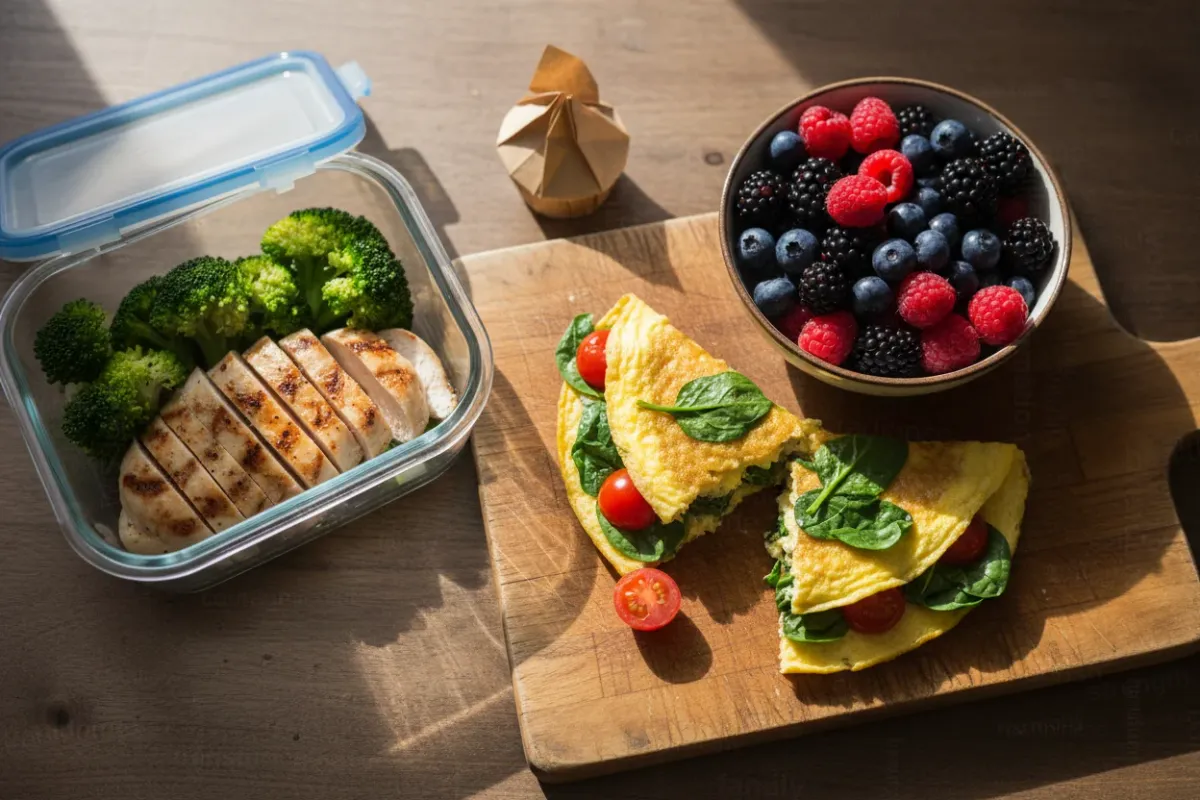
Creating a meal plan is an evening's work. Sticking to it for at least a week is a completely different story. Sound familiar? On Monday — beautiful containers with chicken breast and vegetables, by Wednesday — pizza delivery and guilt for dessert. This isn't a character flaw. Behind every "slip-up" there's a specific reason, and if you find it — you can finally stop starting over every Monday.
It's Not About Willpower — It's About Barriers
A study published in the journal Endocrinología, Diabetes y Nutrición identified the most common barriers preventing people from following a meal plan. Among them — lack of information about proper nutrition, failure to understand instructions, financial constraints, lack of time for cooking, frequent eating outside the home, and internal resistance to change.
Notice: not a single point about "laziness" or "lack of willpower." Every barrier is quite specific and solvable. Let's break down the main ones.
Barrier #1: Lack of Time
This is the number one reason that practically everyone mentions. And it's absolutely real. Work, kids, commuting, household chores — by evening there's simply no energy left for cooking.
According to a review of food choice factors prepared for Preventive Health SA, lack of time for planning, shopping, preparing, and cooking healthy food is one of the key situational barriers, especially for people with lower incomes and young adults with minimal cooking skills.
What Actually Helps
Backup meals. Always keep one or two dinner options at home that can be prepared in 10–15 minutes. An omelet with vegetables, whole-grain pasta with frozen vegetables, cottage cheese with berries. This isn't a "slip-up" — it's your safety net.
Approximate macros for a quick dinner of "omelet with vegetables and cheese" (2 eggs, 100 g broccoli, 20 g cheese):
- Calories: ~280 kcal
- Protein: 22 g
- Fat: 19 g
- Carbs: 5 g
Evening plan check. 30 seconds in the evening to look at what's coming tomorrow: does anything need to be thawed, marinated, or put in the slow cooker. As the authors of Plan to Eat note, it's precisely this small habit that turns a plan from a piece of paper into action and eliminates the morning panic of "what to cook."
Batch-cooking on weekends. You don't need to cook everything for the whole week. It's enough to prepare the basics: cook grains, bake a batch of chicken breast, chop vegetables for salads. From these "semi-prepared ingredients" you can assemble meals in 5–10 minutes.
Barrier #2: Boredom and Monotony
Boiled chicken breast, buckwheat, cucumber. Repeat. By the third day of this diet you want to throw it all away and order a burger — and that's a normal reaction to monotony.
A monotonous diet is not healthy eating. It's a punishment. And you can't endure punishment for long.
What Actually Helps
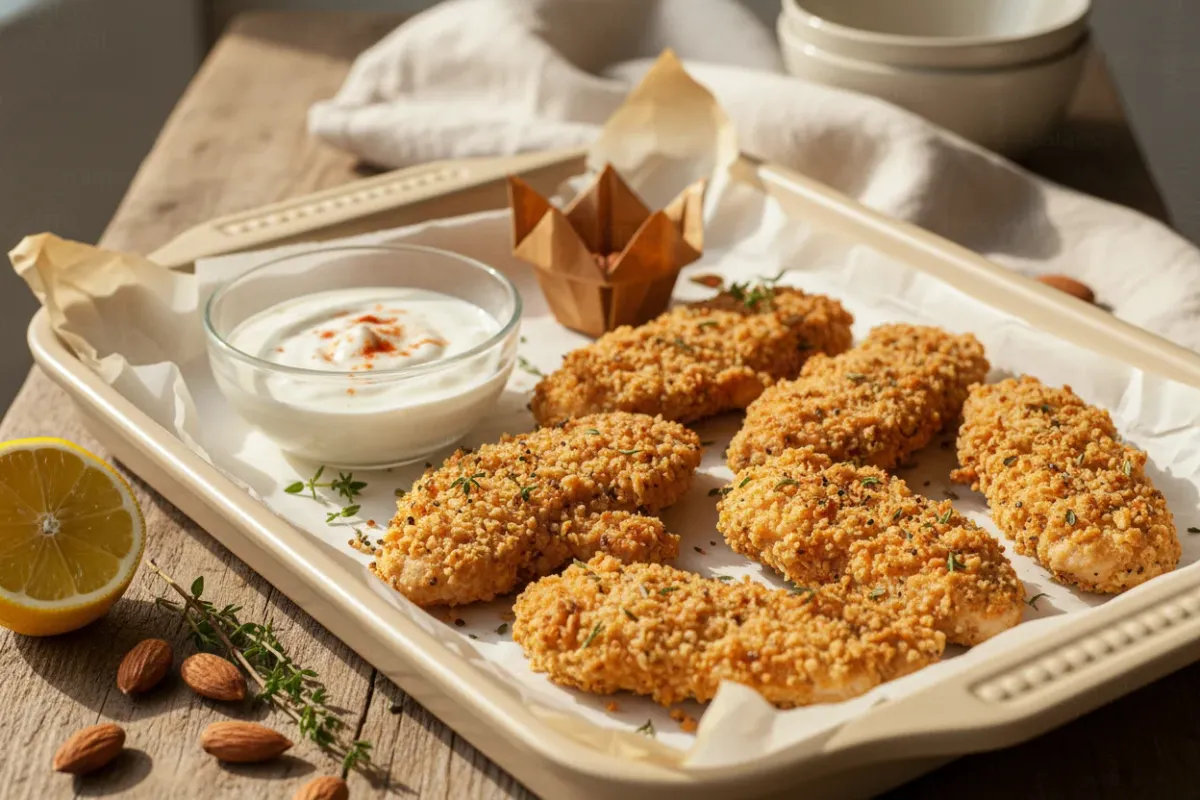
Change up sauces, spices, and cooking methods. The same chicken breast can be baked with paprika and honey, sliced into a warm salad with sesame oil, or ground into patties with herbs. Three different dishes from one product.
Plan "tasty days." Include one or two recipes in your weekly plan that you genuinely want to try. A healthy brownie made with chickpea flour? Protein pancakes with berry sauce? Baked sweet potato with peanut butter? When your plan includes something you look forward to — following it becomes significantly easier.
Don't be afraid of "imperfect" days. As the authors of Plan to Eat rightly point out: a meal plan is a guide, not a contract. If instead of the planned complex dish you just want scrambled eggs with toast — that's fine. Flexibility doesn't destroy a plan. Rigidity does.
Barrier #3: Eating Out and Social Pressure
Business lunches with colleagues, dinners with friends, family gatherings — these are all situations where the meal plan takes a back seat.
A study on barriers to intermittent fasting, published in Frontiers in Nutrition, showed that social events, family obligations, and work schedules are the main external factors affecting the ability to stick to a chosen eating regimen. And the Preventive Health SA review adds that unhealthy food consumption is often associated with socializing: shared snacks, alcohol, holiday tables — all of these are socially approved rituals, and refusing them can be perceived by others as odd.
What Actually Helps
The "80/20" rule. 80% of meals — according to plan. 20% — flexibility for social situations. Had lunch at a café with colleagues? Choose a lower-calorie option and continue the rest of the day according to plan. No single business lunch cancels out an entire week's progress.
A proactive approach. If you know there's a restaurant dinner in the evening — adjust your daytime meals in advance. A light breakfast, a protein-rich lunch with vegetables — and in the evening you calmly choose a dish without worrying about exceeding your calories.
Practice your phrase. A simple "I like it better this way" or "I'm trying a new recipe" works better than lengthy explanations about macros. People around you don't need a reason — they just need to be reassured that you're fine.
Barrier #4: Stress and Emotional Overeating
Stress, boredom, anxiety — all of these are triggers that make you reach for food not out of hunger, but out of a need for comfort. The Frontiers in Nutrition study confirms: psychological factors — stress, boredom — can provoke chaotic eating patterns, including compulsive snacking.
An interesting detail from the same study: participants who restricted their eating window often ate more than usual "just in case" — not because they were hungry, but out of fear of future hunger. This behavioral pattern decreased over time, but it shows how strongly psychological factors influence eating behavior.
What Actually Helps
Separate hunger from emotion. Before reaching for the fridge, ask yourself one question: "Am I hungry or am I bored/anxious/sad?" If the answer is an emotion, try a different approach: a walk, a call to a friend, 10 minutes with a book.
Healthy snacks within reach. Protein bars, portioned nuts (30 g), sliced vegetables with hummus. If "comfort food" is already at hand and it's healthy — an emotional snack doesn't turn into a catastrophe.
Approximate macros for a serving of nuts (30 g almonds):
- Calories: ~170 kcal
- Protein: 6 g
- Fat: 15 g
- Carbs: 5 g
Don't forbid — plan instead. Craving chocolate? Include a portion of dark chocolate (20–30 g) in your plan as a daily snack. When the "forbidden" becomes part of the plan — the urge to binge disappears.
Barrier #5: An Overly Complicated Plan
If a meal plan requires exotic products, hours at the stove, and mathematical calculations for every meal — it's doomed. The Elsevier study showed that failure to understand instructions and lack of information about proper nutrition are among the top barriers to following a meal plan.
According to a PMC review, people who are just beginning to change their eating habits often feel overwhelmed by the need to understand labels, portions, and the effects of foods on the body. Emotional reactions — fear of making mistakes, dissatisfaction — further undermine motivation.
What Actually Helps
Start small. Don't overhaul your entire diet in a single day. First week — replace one meal with a healthy one. Second week — add a healthy snack. Gradual changes stick; radical ones don't.
Simplify recipes. A dish with 15 ingredients is for weekends. On weekdays — 3–5 ingredients maximum. Roasted vegetables (chop, drizzle with oil, put in the oven for 25 minutes) — that's a complete side dish, and it practically cooks itself.
Approximate macros for roasted vegetables (200 g: zucchini, bell pepper, eggplant + 1 tsp olive oil):
- Calories: ~110 kcal
- Protein: 3 g
- Fat: 5 g
- Carbs: 14 g
Use apps. Modern meal planning apps — such as Eat This Much, Cronometer, or Carb Manager — can generate weekly plans based on calories and macronutrients, compile shopping lists, and calculate macros automatically. This removes a significant portion of the "mental load" that kills motivation.
Barrier #6: Your Environment Works Against You
The availability of unhealthy food is a serious factor. When there are chips on the kitchen counter and a box of cookies in the office, making a healthy choice requires constant willpower. The Preventive Health SA review emphasizes: wide availability of unhealthy food and the relatively low cost of fast food are key environmental barriers to healthy eating.
What Actually Helps
Reorganize your kitchen. Remove "trigger" foods from sight. Place fruits, nuts, and containers with prepared food in visible spots. What we see is what we eat.
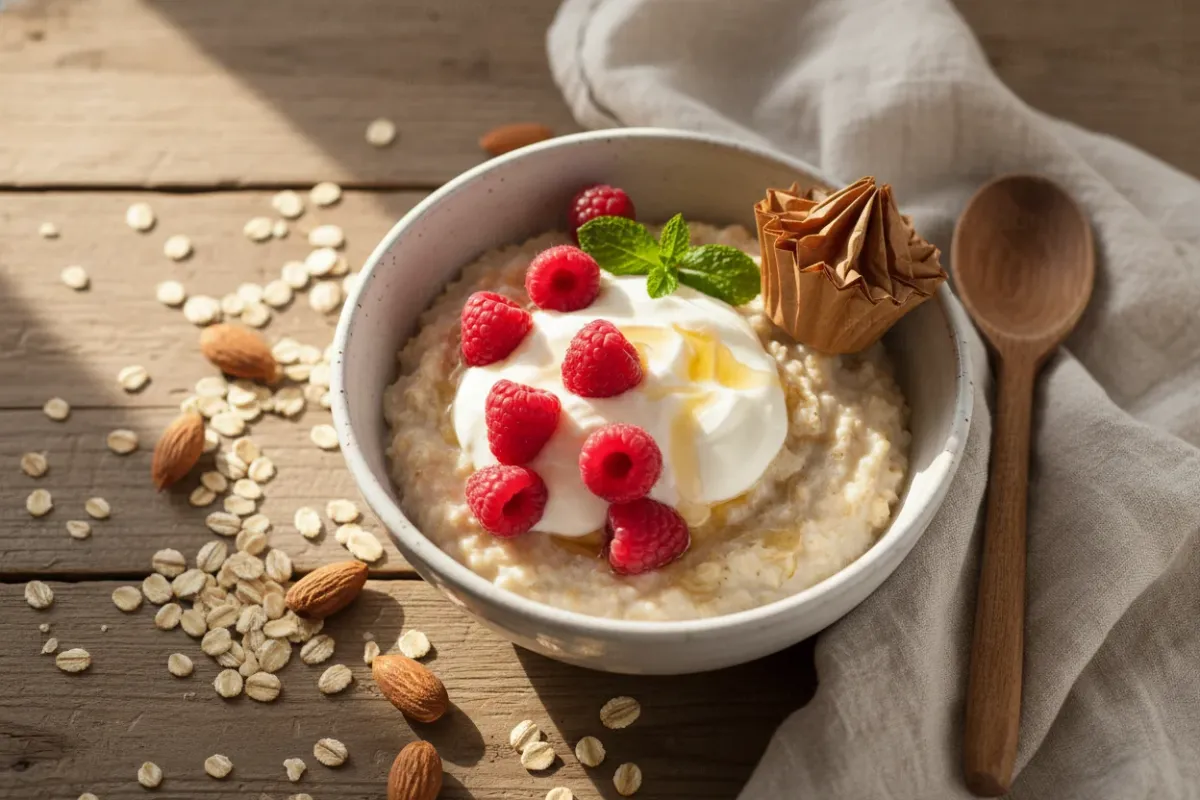
Prepare healthy alternatives. Instead of store-bought cookies — homemade oatmeal cookies with banana and nut butter. Instead of chips — baked beet or sweet potato chips. Tasty, crunchy, and no need to fight yourself.
Approximate macros for an oatmeal cookie (1 piece, ~35 g, made with banana and oats):
- Calories: ~90 kcal
- Protein: 2 g
- Fat: 3 g
- Carbs: 14 g
The Main Rule: The Plan Should Adapt to Your Life, Not the Other Way Around
A perfect meal plan doesn't exist. What exists is a plan that accounts for reality: work schedule, budget, taste preferences, social life, and cooking skill level.
If your meal plan broke down by Wednesday — the problem isn't you. The problem is the plan. A good plan is:
- Flexible — allows substitutions and deviations
- Simple — doesn't require hours at the stove on weekdays
- Delicious — includes dishes you actually want to eat
- Realistic — takes into account your budget and available products
- Forgiving — one "imperfect" day doesn't cancel out all your progress
Healthy eating is not a marathon of self-deprivation. It's a skill that develops gradually, through small sustainable habits. You don't need to be perfect — you need to be consistent.
Frequently Asked Questions
What should you do if vegetables lose their freshness and become tasteless after a couple of days in the fridge?
Not all vegetables store equally well when chopped. Carrots, celery, bell peppers — keep excellently in water or a damp towel for up to 5 days. Tomatoes, cucumbers, and greens are best cut right before eating. An alternative — frozen vegetable mixes: they retain their nutrients and are always ready to use.
How do you plan meals when your partner cooks "normal" food and doesn't understand your approach?
Healthy eating shouldn't look like a separate "diet" plate. Cook a base that works for both of you — for example, roasted meat, grains, salad — and each person adds to their portion according to their own taste. Cooking together with different additions removes the tension.
Why does your appetite quickly disappear from monotonous "healthy" meals?
The brain needs variety in flavors and textures — this is an evolutionary mechanism. A monotonous diet is perceived as a deficiency, and the body demands "something different." The solution is to diversify spices, sauces, cooking methods, and textures, even if the base products remain the same.
How do you avoid forgetting about preparatory steps (thawing, marinating) until the evening?
Set a reminder on your phone for the morning or the previous evening. Even simpler — put a small sticky note on the fridge with the task for the day. The habit forms in a couple of weeks, after which the morning plan check becomes automatic.
This article is for informational purposes only and is not medical advice. Consult a doctor or dietitian before making dietary changes.