What to Teach Your Child to Cook: Essential Skills That Will Last a Lifetime
Master essential cooking skills to teach your child. Discover how cooking builds independence, nutrition knowledge, and confidence for life.
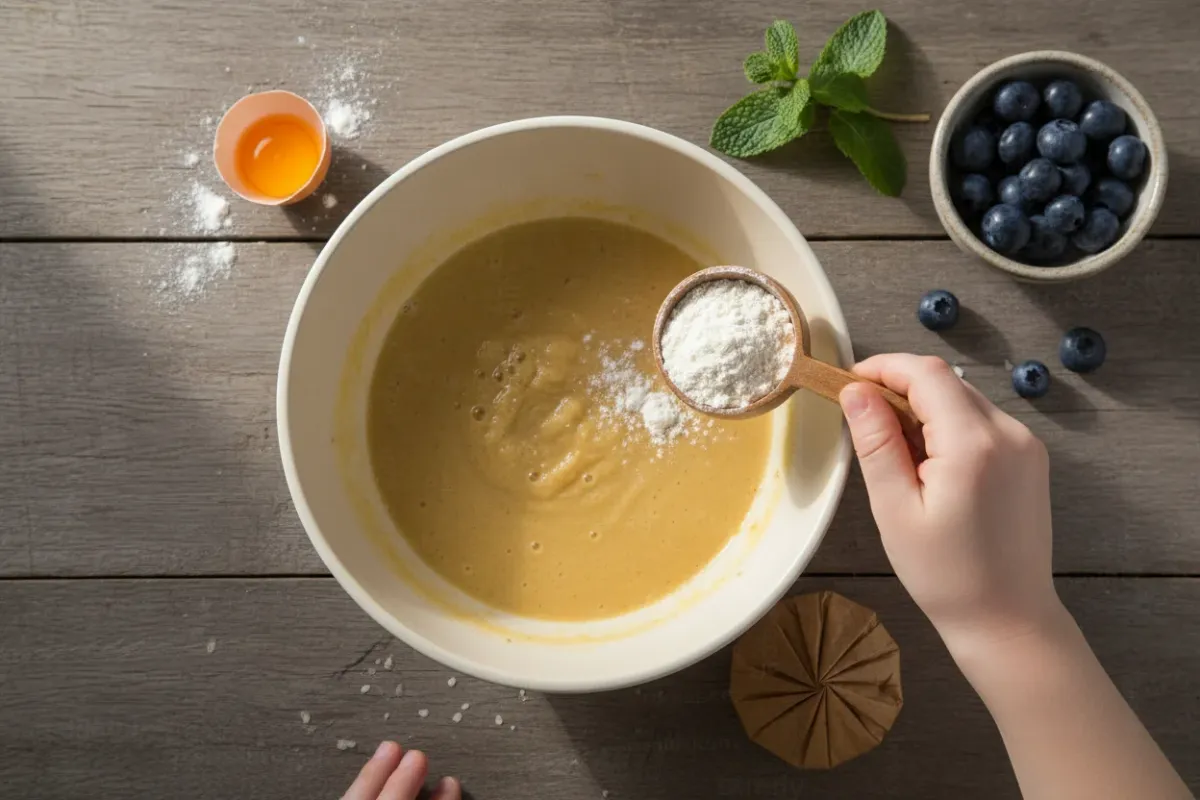
Why the Kitchen Is the Best Classroom for a Child
Knowing how to cook isn't about raising a chef. It's about raising an adult who can feed themselves well, with balanced meals, and without panicking in front of an open fridge.
According to data from the American Academy of Pediatrics, cooking together is a natural way to teach a child counting, fractions, measurements, basic science, and how to follow instructions. All of this happens on its own while you're kneading dough or measuring a cup of flour together.
And a study published in the PMC journal showed that children who participate in cooking activities develop a significantly better understanding of food and are more willing to try vegetables. Regular school lessons about "eat more vegetables" don't produce this effect — but chopping a salad with their own hands does.
What "Standards" of Cooking for Kids Actually Means
This isn't about a list of recipes to memorize. It's about fundamental cooking skills — just as important as knowing how to tie shoelaces or count change at the store. As the experts at Elevating Kitchen point out, culinary education extends far beyond the kitchen: it builds skills in planning, budgeting, and time management.
Below is a breakdown by age: which skills to develop and which simple dishes will reinforce each one.
Ages 3–5: Getting to Know the Kitchen
At this age, the child is a helper and an observer. The main goal is to remove the fear of the kitchen and spark interest.
Skills
- Washing vegetables and fruits. A simple, safe, and very "real" task for a little one.
- Tearing lettuce leaves, snapping green beans. Working with hands, no knife needed.
- Stirring ingredients in a bowl — pancake batter, salad, filling.
- Measuring dry ingredients with cups and spoons. This is where math begins — "we need two cups, we already have one, how many more?"
- Rolling, shaping, molding. Cookies, cheese balls, patties.
What to Cook Together
- Fruit salad (the child washes and arranges)
- No-bake oatmeal cookies (mix oats, banana, a spoonful of honey → roll into balls)
- Smoothie (the child puts ingredients in the blender, the adult turns it on)
Approximate calories & macros for oatmeal balls (1 piece, ~30 g): 75 kcal | P: 2 g | F: 2 g | C: 12 g
Ages 6–8: First Real Tasks
The child can now work with simple tools under supervision.
Skills
- Cutting soft foods with a table knife or a child-safe knife: bananas, boiled eggs, soft cheese.
- Peeling vegetables with a peeler (carrots, cucumbers).
- Spreading — sandwiches, toast, open-faced sandwiches.
- Basic table setting: laying out plates, utensils, napkins.
- Reading a simple recipe and following the steps in order.
What to Cook Together
- Caprese or any vegetable salad (the child cuts mozzarella, arranges tomatoes)
- Lavash wraps with cottage cheese and herbs
- Avocado toast (the child mashes avocado with a fork, spreads it on bread)
Approximate calories & macros for avocado toast (1 piece): 190 kcal | P: 5 g | F: 10 g | C: 20 g
Ages 9–12: Independence at the Stove
This is the age when children can start working with heat — under supervision, but with growing confidence.
Skills
- Working with the stovetop: boiling eggs, pasta, grains. Understanding what "medium heat" and "bring to a boil" mean.
- Pan-frying: omelets, fried eggs, pancakes, vegetables.
- Working with the oven: putting in and taking out a baking sheet (with oven mitts!).
- Cutting with a regular knife: learning the proper grip and the "claw" technique for fingers.
- Hygiene basics: washing hands before cooking, not placing raw meat next to cooked food, keeping the work surface clean.
- Basic understanding of nutrition facts: what proteins, fats, and carbohydrates are, and why the body needs them.
What to Cook Together
- Omelet with vegetables
- Pasta with tomato sauce (the child boils the pasta and makes the sauce from tomatoes)
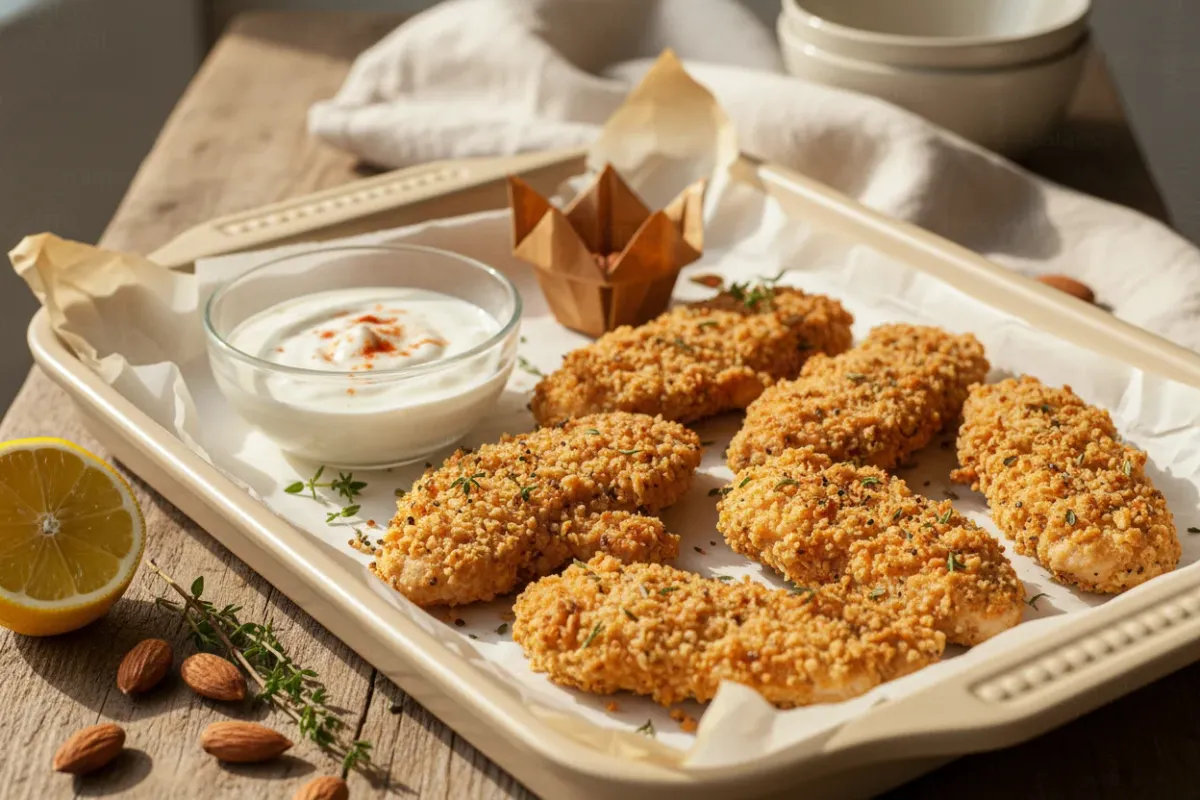
- Oven-baked chicken patties
- Vegetable soup
Approximate calories & macros for a 2-egg omelet with vegetables: 220 kcal | P: 15 g | F: 15 g | C: 5 g
As the authors at Parents note, at this age children are capable of mastering virtually all basic cooking techniques — from chopping to preparing a complete dish.
Ages 13–16: From a Single Dish to a Full Diet
A teenager is no longer just cooking one dish — they're learning to think in terms of a diet: what's for breakfast, what to snack on at school, what to make for dinner when the parents aren't home.
Skills
- Planning a menu for 2–3 days. Not complex meal prep — just the understanding: "if I cook some grains and bake chicken, it'll last me two days."
- Making a grocery list and shopping from it.
- Basic sauces and dressings: vinaigrette, yogurt dressing, simple tomato sauce. This is the skill that turns boring food into delicious food.
- Adapting a recipe: no butter — substitute with vegetable oil; no cream — use Greek yogurt.
- Meal prep: preparing containers of food for several days ahead.
- Reading labels: ingredients, nutrition facts, expiration dates.
What to Cook Independently
- A bowl with grains, protein, and vegetables (rice + chicken + broccoli + dressing)
- Cheese pancakes or protein pancakes
- Roasted vegetables with fish
- Homemade granola
Approximate calories & macros for a bowl (serving ~350 g): 420 kcal | P: 30 g | F: 12 g | C: 45 g
5 Standard Dishes Worth Mastering Before Age 18
If you boil it all down to a minimum "graduation exam," here are five things worth knowing how to cook by adulthood:
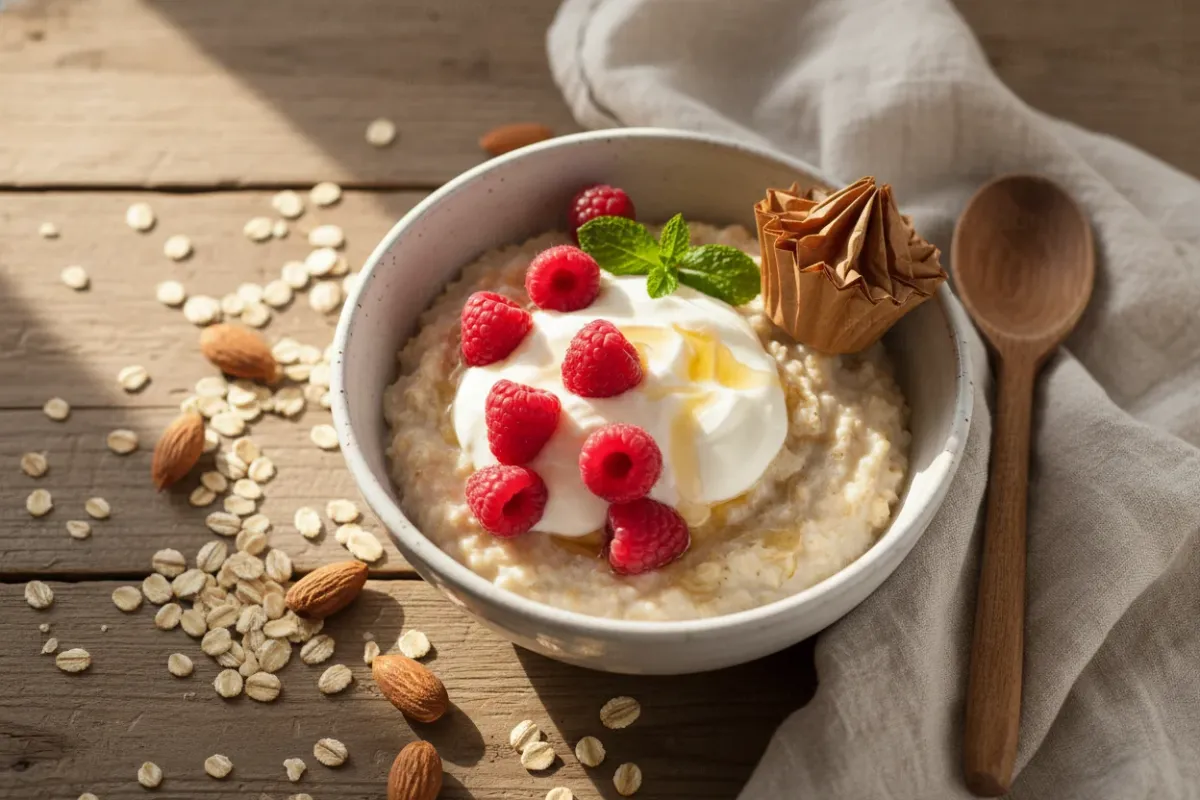
- Porridge or grains (oatmeal, buckwheat, rice) — the foundation of any diet, a source of complex carbohydrates.
- Eggs three ways — boiled, fried, omelet. Quick protein for every day.
- Chicken breast or fish — baked, pan-fried, or stewed. A basic source of protein.
- Vegetable salad with dressing — not just chopped, but made to taste good: with oil, lemon, spices.
- Simple baking — pancakes, crepes, or homemade cookies. The skill of working with dough and the oven.
These aren't recipes — they're patterns that combine into an endless number of dishes.
Safety: What to Talk About from Day One
Tasting Table emphasizes: the earlier you start teaching, the better — but the type of tasks must match the child's age. Here are rules worth discussing from the very first day:
- Knives: a sharp knife is safer than a dull one (it doesn't slip). Fingers in the "claw" position.
- Boiling water and the stove: pan handles turned inward. Lift the lid away from yourself.
- Hot surfaces: oven mitts — always. A wet towel is not a substitute for an oven mitt.
- Hygiene: wash hands before and after handling raw meat. Use separate cutting boards for meat and vegetables.
How Not to Kill the Desire to Cook
The most important thing is not to turn the kitchen into an exam. A few principles:
- Let it be messy. Cleaning up is also a skill, but not a reason to scold.
- Give choices: "What should we make today — pancakes or an omelet?"
- Praise the process, not the result. "How evenly you sliced that!" matters more than "it turned out delicious."
- Don't redo the child's work. Lopsided patties are normal. They'll get more even after ten tries.
As confirmed by the Emeril's Foundation program, culinary education positively impacts not only academic outcomes but also children's social-emotional development. The kitchen teaches cooperation, coping with failure, and taking pride in the results of one's own work.
A Simple Starter Recipe: Protein Banana Pancakes
A great option for cooking together with a child aged 6–10.
Ingredients
- 1 ripe banana
- 2 eggs
- 2 tbsp oat flour (or ground oats)
- A pinch of cinnamon
- Coconut oil for frying
Preparation
- Mash the banana with a fork (the child's task).
- Add the eggs and flour, mix until smooth.
- Heat a skillet over medium heat, grease with oil.
- Spoon the batter onto the skillet, fry for 2 minutes on each side.
Calories & macros per serving (3 pancakes): 250 kcal | P: 14 g | F: 10 g | C: 26 g
Serve with berries, Greek yogurt, or a spoonful of honey.
Cooking is not a chore — it's a superpower. A child who knows how to make their own breakfast and pack a lunch feels more confident, eats more mindfully, and is far more likely to maintain healthy habits into adulthood. You can start small — even with washing an apple. The important thing is to start.
This article is for informational purposes only and is not medical advice. Consult a doctor or dietitian before making dietary changes.