What Dressing Makes Vegetables Forget They're Vegetables?
Make vegetables taste unrecognizable with the right dressing. Discover 6 recipes using the perfect balance of acid, fat, and salt for irresistible.
When the Dressing Changes Everything
You know that feeling when there's a plate of fresh vegetables in front of you, but your hand reaches for something else? It's not about the vegetables — it's that they're missing the right company. A good dressing turns "I should eat this" into "give me more." It adds fat for absorbing vitamins A, D, E, and K, brings out flavor, and makes the texture more interesting.
As the cooks at The Clean Eating Couple point out, homemade dressings take 5 minutes to make and taste incomparably better than store-bought ones — no preservatives, thickeners, or hidden sugar.
The main secret is balance. Acid + fat + salt + something bright (spice, sweetness, umami). When these four elements are in harmony, vegetables truly forget they're vegetables.
6 Dressings That Change the Game
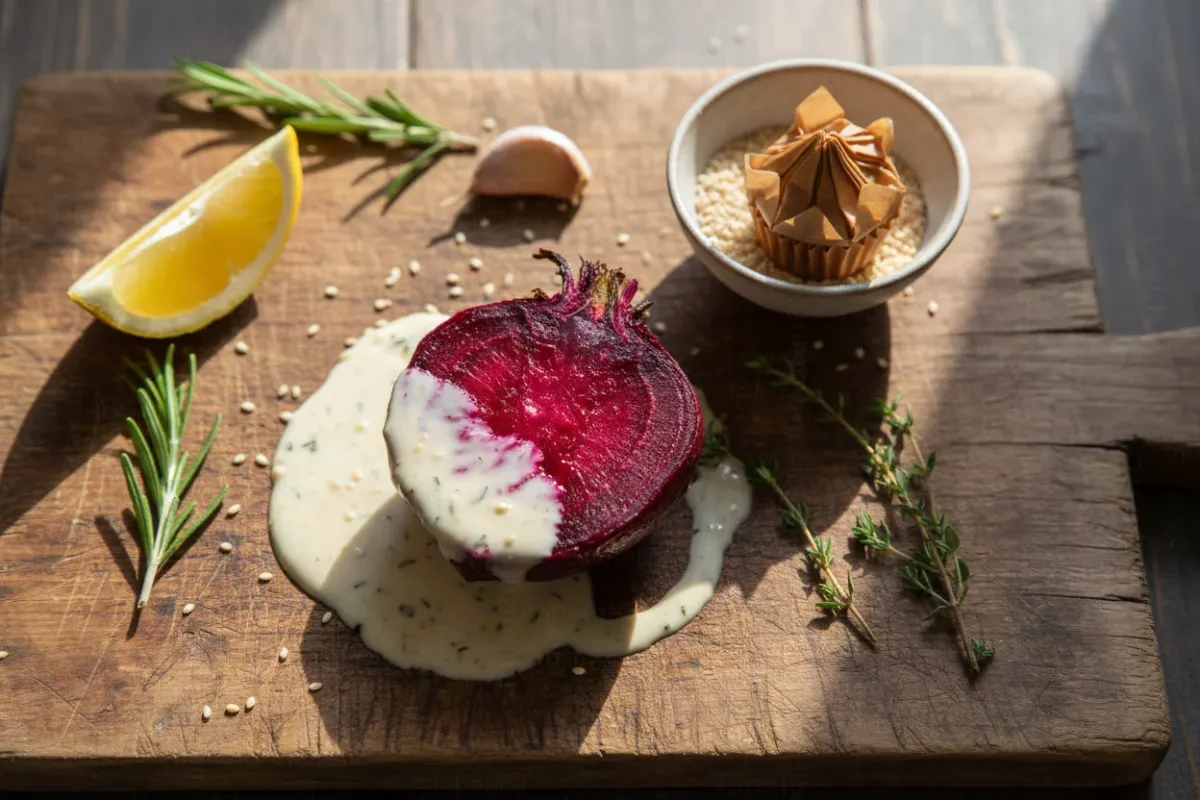
1. Tahini-Lemon
Creamy, with a nutty aftertaste — perfect for roasted vegetables, bowls, and warm salads. According to Happy Muncher, tahini-lemon sauce ranks among the top sauces for roasted vegetables.
Ingredients (4 servings):
- Tahini (sesame paste) — 3 tbsp
- Lemon juice — 2 tbsp
- Garlic — 1 clove
- Water — 2–3 tbsp (to desired consistency)
- Salt, a pinch of cumin
How to make: Mix tahini with lemon juice and pressed garlic. Add water one tablespoon at a time, stirring until it reaches the consistency of thin sour cream. Season with salt and add cumin.
Calories & macros per serving (≈30 g): 80 kcal | P: 2.5 g | F: 7 g | C: 3 g
Pairs well with: cauliflower, sweet potato, eggplant, broccoli, carrots.
2. Honey Mustard
A sweet-and-tangy classic that turns any green salad into a celebration.
Ingredients (4 servings):
- Dijon mustard — 1 tbsp
- Honey — 1 tbsp
- Olive oil — 2 tbsp
- Apple cider vinegar — 1 tbsp
- Salt, pepper
How to make: Whisk mustard with honey and vinegar. Drizzle in oil in a thin stream, continuing to whisk until emulsified.
Calories & macros per serving (≈20 g): 75 kcal | P: 0.3 g | F: 7 g | C: 4 g
Pairs well with: arugula, spinach, iceberg lettuce, baby carrots, beets.
3. Garlic Dijon
Bold and aromatic — a favorite for those who love vibrant flavors. A Dijon mustard–based sauce with garlic is especially good with roasted vegetables.
Ingredients (4 servings):
- Dijon mustard — 2 tbsp
- Garlic — 2 cloves
- Olive oil — 2 tbsp
- White wine vinegar — 1 tbsp
- Dried thyme — ½ tsp
How to make: Crush garlic into a paste with a pinch of salt. Mix with mustard and vinegar, then emulsify with oil. Add thyme.
Calories & macros per serving (≈20 g): 70 kcal | P: 0.5 g | F: 7 g | C: 1.5 g
Pairs well with: roasted zucchini, green beans, potatoes, root vegetables.
4. Basil Pesto
A Mediterranean classic that turns even bland vegetables into an Italian dish. Pesto ranks among the most versatile sauces for vegetables.
Ingredients (6 servings):
- Fresh basil — 50 g
- Pine nuts (or walnuts) — 30 g
- Parmesan — 30 g
- Garlic — 1 clove
- Olive oil — 60 ml
- Salt
How to make: Blend basil, nuts, garlic, and cheese in a blender. Pour in oil and blend until smooth. Season with salt.
Calories & macros per serving (≈25 g): 120 kcal | P: 3 g | F: 12 g | C: 1 g
Pairs well with: tomatoes, zucchini, pasta with vegetables, roasted peppers, caprese.
5. Honey Balsamic
A deep sweet-and-sour flavor — especially good in fall and winter with warm vegetables. Happy Muncher highlights honey-balsamic syrup as one of the best companions for roasted vegetables.
Ingredients (4 servings):
- Balsamic vinegar — 2 tbsp
- Honey — 1 tbsp
- Olive oil — 1 tbsp
- Salt, black pepper
How to make: Mix vinegar with honey until dissolved. Add oil, salt, and pepper. You can warm it slightly in a pan for a thicker consistency.
Calories & macros per serving (≈15 g): 50 kcal | P: 0.1 g | F: 3.5 g | C: 5 g
Pairs well with: pumpkin, beets, goat cheese with greens, grilled vegetables.
6. Creamy Almond
Delicate, with a light sweetness — a great alternative to sour cream–based sauces for those who avoid dairy.
Ingredients (4 servings):
- Almond butter (urbech) — 2 tbsp
- Lemon juice — 1 tbsp
- Water — 3 tbsp
- Garlic — 1 clove (optional)
- Salt
How to make: Thin almond butter with water, add lemon juice and pressed garlic. Stir until smooth.
Calories & macros per serving (≈25 g): 65 kcal | P: 2 g | F: 5.5 g | C: 2 g
Pairs well with: broccoli, asparagus, green salad, quinoa bowls.
How to Match a Dressing to Your Vegetables
Not every dressing suits every vegetable. Here's a simple cheat sheet:
| Type of vegetable | Best dressings | Why it works |
|---|---|---|
| Leafy greens (spinach, arugula) | Honey mustard, balsamic | A light tang doesn't overpower the delicate flavor |
| Roasted (sweet potato, pumpkin, beets) | Tahini, honey balsamic | Creamy texture complements caramelization |
| Crunchy (cucumbers, peppers, carrots) | Garlic Dijon, pesto | Bold flavor highlights the freshness |
| Cruciferous (broccoli, cauliflower) | Almond, tahini | Nutty notes bring out the natural sweetness |
As the authors at Love Food emphasize, the key is finding the right balance and pairing between a dressing and a specific vegetable.
5 Rules for the Perfect Homemade Dressing
The ratio rule: the classic vinaigrette formula is 3 parts oil to 1 part acid. For a lighter version, you can shift the balance to 2:1 by replacing some of the oil with water or yogurt.
Emulsify fully. A dressing that has separated into oil and vinegar isn't a dressing — it's two separate ingredients. Whisk with a whisk or in a blender until the mixture is smooth and uniform.
Salt the dressing, not the salad. Salt dissolves better in liquid, so it will distribute evenly rather than landing as crystals on the leaves.
Make extra. Most homemade dressings keep in the fridge for 5–7 days in a sealed jar. Great for meal prep: grab it in the morning, drizzle, done.
Taste on a leaf. Before dressing the whole salad, dip a single leaf — it's easier to adjust the flavor before it's too late.
How to Replace High-Calorie Store-Bought Sauces
Store-bought dressings often contain refined oils, sugar, and preservatives. As the authors at Bless This Mess note, homemade dressings made from simple ingredients taste significantly better than store-bought ones.
Simple swaps:
- Mayonnaise → Greek yogurt + mustard. Keeps the creaminess but with significantly less fat.
- Sweet chili sauce → honey + sriracha + rice vinegar. You control the amount of sugar.
- Store-bought Caesar → tahini + lemon + anchovy (or soy sauce). The same umami notes without the unnecessary additives.
- Ketchup on vegetables → tomato paste + balsamic + garlic. Rich tomato flavor without the sugar.
Frequently Asked Questions
How does tomato paste improve a dressing without making it runny?
Tomato paste is a flavor concentrate: it delivers a rich tomato note and a subtle sweetness without adding extra liquid. Just 1 teaspoon per serving of dressing is enough to add depth. It's especially good combined with balsamic vinegar and garlic.
Can you use vegetable "scraps" for dressings?
Yes — carrot tops, kale stems, and parsley stalks make excellent pesto or green sauces. Just blend them with oil, nuts, and lemon. It's both economical and an extra serving of fiber.
Try It Today
Start with just one dressing — any from the list. Make a jar on Sunday, and all week long vegetables will disappear from your plate faster than dessert. And once it becomes a habit, try mixing: tahini + balsamic, yogurt + pesto, mustard + honey + ginger. The best dressings are born from experimentation.
Vegetables aren't to blame for seeming boring. The blame lies with an empty plate missing a good dressing.
This article is for informational purposes only and is not medical advice. Consult a doctor or dietitian before making dietary changes.