Weekly Meal Prep: How I Stopped Cooking Every Day and Started Living
Weekly meal prep transforms your kitchen routine. Learn how a pastry chef stopped daily cooking, ditched frozen nuggets, and started living.
TITLE: Weekly Meal Prep: How I Stopped Cooking Every Day and Started Living
DESCRIPTION: Personal experience and practical tips from a pastry chef who cooks for the entire week ahead. How to organize the process, what stores well and what doesn't, plus a recipe for the perfect protein bowl.
CONTENT:
Why Do I Need This? The Story of a Pastry Chef Tired of Improvising
You know that feeling when it's seven in the evening, you're standing in front of an open fridge, and the only thing you have energy for is frozen nuggets? I know it all too well. Before, after a full day of creating fitness desserts, I simply had no energy left for my own dinner. The result: mindless snacking, guilt, and blown nutrition goals.
Meal prep became not just a trendy hashtag for me, but a real lifesaver. It's a practice that gave me back my evenings and my peace of mind. Imagine: you come home, and a container with a delicious, healthy lunch is already waiting for you — one whose exact macros you know. No more "what should I eat" thoughts, no extra dishes. Just enjoyment. And yes, this works not only for athletes, but for anyone who values their time and wants to eat mindfully.
From a scientific perspective, it's also about control. A study published in the International Journal of Behavioral Nutrition and Physical Activity showed that people who plan their meals have a more varied diet and are less likely to suffer from obesity. When a portion is weighed and packed, the temptation to add "just a little more" disappears. And for me, as a pastry chef, it's also a creative challenge: how to make healthy food just as tasty and beautiful as our desserts.
Not One, but Three: Choosing Your Meal Prep Format (with Real Numbers)
I've tried everything and realized: there's no one-size-fits-all solution. The choice depends on your schedule, patience, and love of variety.
1. Full cook: a conveyor belt for the perfectionist. This is the option I use when the week ahead is going to be hectic. On Sunday, I literally turn my kitchen into a production line and fully assemble 10–12 containers. Everything is weighed, calculated, and ready to eat.
- My real breakdown: For 5 lunches, it takes about 2.5 hours. I spend around 1,500 rubles on groceries (chicken, turkey, grains, seasonal vegetables like zucchini and broccoli from VkusVill, where they're often on sale). Compare that to 400–500 rubles for a single business lunch at a café. The savings are obvious.
- Ideal for: those who strictly track their macros or who have absolutely no time in the evenings.
2. The "constructor" style: freedom for the foodie. My favorite method! I don't cook complete meals — I prepare individual components. Just like at our café: you have a base (yogurt, cottage cheese), toppings (berries, nuts), and syrup — build your own dessert.
- What my fridge looks like:
- Protein: Baked turkey breast (1 kg), a can of Bering canned tuna, 5 boiled eggs.
- Carbs: 500 g of cooked buckwheat, a pack of Mistral quinoa (from Lenta — the best deal).
- Vegetables: Bell pepper, carrot, and cucumber cut into strips, eggplant roasted with spices.
- Dressings: Homemade sauce based on 5% Greek yogurt (Prostokvashino) and mustard.
- The upside: It never gets boring. Today — a salad with tuna and quinoa, tomorrow — buckwheat with turkey and vegetables, the day after — an omelet with roasted vegetables.
3. Partial prep: a stress-free first step. If the thought of a Sunday marathon scares you, start small. You don't need to cook for 5 days. Two or three dinners is enough. For example, make a double batch of ground meat for chili con carne on Monday — and you've got dinner for Monday and Wednesday. It's not intimidating, but it already gives you a sense of control and time savings.
My Sunday Ritual: A Step-by-Step Breakdown with Timing
Here's what my ideal prep day looks like. I've optimized the process down to the minute so I spend no more than 3 hours in the kitchen.
Step 1. Planning and shopping (30 minutes). I don't improvise. On Saturday evening, I open the Edadeal app or check online deals at Perekryostok. I plan the menu based on the best offers. For example, if cauliflower and chicken thighs are on sale, they become the foundation. My list always includes: 2 types of protein, 2 types of grains, 3–4 types of vegetables for roasting and 2–3 for fresh salads, herbs, eggs, and yogurt for dressings.
Step 2. Cooking (2–2.5 hours). The order matters here. I preheat the oven to 180°C.
- Minute 0: I start cooking brown rice or quinoa (they take a long time, 25–30 minutes).
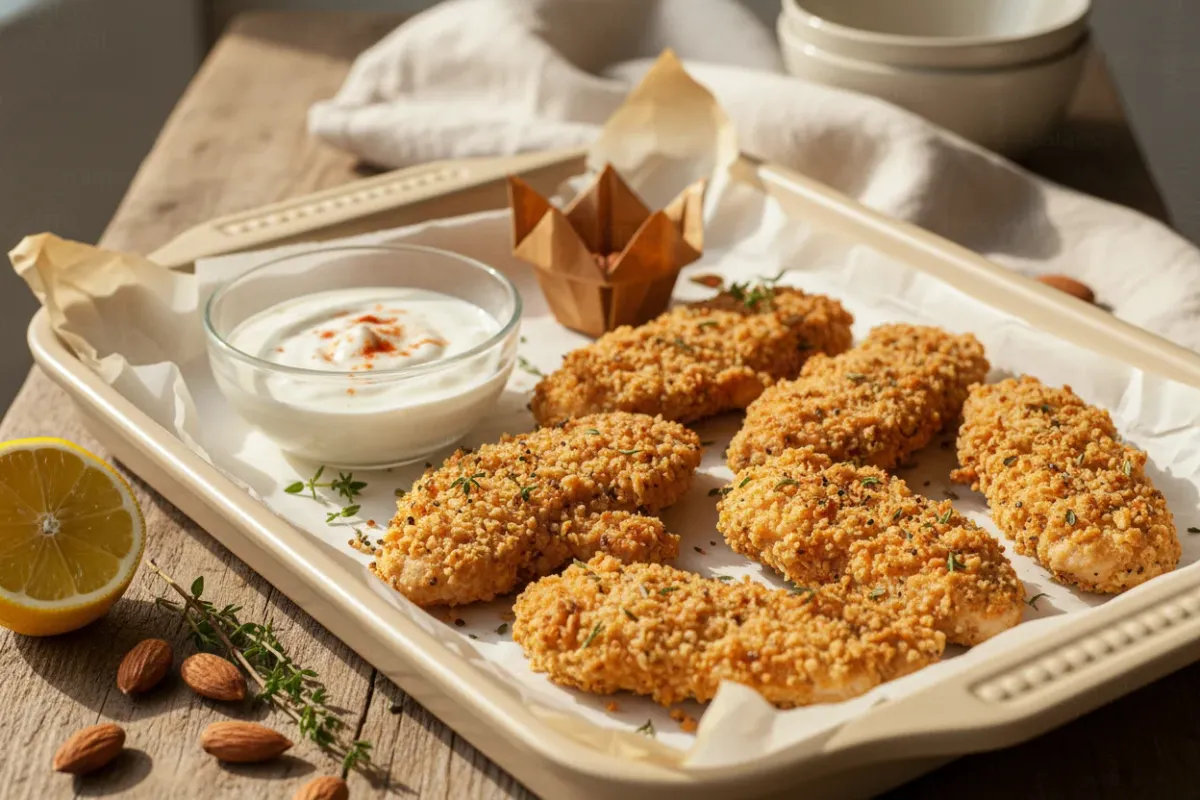
- Minute 5: I prepare the protein. I drizzle chicken or fish with oil, season with spices (Kotanyi "Italian Herbs" blend — my go-to) and put it in the oven on a parchment-lined baking sheet. Timer set for 25–30 minutes.
- Minute 10: While the meat is cooking, I wash and cut vegetables for roasting: zucchini, eggplant, bell pepper, onion. Drizzle with oil, sprinkle with salt, and send them on a second baking sheet into the oven alongside the meat.
- Minute 35: I take out the meat and let it "rest" (this keeps the juices inside). The vegetables keep roasting until tender. I start boiling eggs (8 minutes after the water boils for a perfect yolk).
- Minute 40: I make the dressing. A 250 ml jar of Greek yogurt + juice of half a lemon + a clove of garlic + herbs. Whisk it all together.
- Minute 50: I chop fresh vegetables for salads (cucumbers, tomatoes, bell pepper) and distribute them into small containers.
- Minute 70: Assembly. I grab my favorite Glasslock glass containers (easy to wash and they don't absorb odors). I portion out grains, protein, and roasted vegetables. Separate containers for fresh vegetables and sauce.
Step 3. Cleanup and freezing (15 minutes). Containers meant for Thursday–Friday go straight into the freezer. The rest go into the fridge. I clean the kitchen just once. By Sunday evening, I'm free!
What Stores Perfectly and What's Better Assembled Before Eating
The main secret to tasty meal prep is understanding the texture of your ingredients. Here are my personal observations after hundreds of containers.
Store and reheat beautifully:
- Roasted vegetables (zucchini, eggplant, carrot, cauliflower). After the oven, they only get tastier.
- Grains (buckwheat, rice, quinoa, bulgur). When reheating, sprinkle with a spoonful of water.
- Sturdy proteins (baked chicken, turkey, turkey meatballs, boiled eggs).
- Legumes (lentils, chickpeas, beans in tomato sauce).
Add right before serving:
- Fresh herbs, arugula, spinach. Heat will turn them to mush.
- Crunchy vegetables (radish, cucumber, fresh bell pepper). Keep them separate.
- Avocado. Slice and drizzle with lemon juice right before eating.
- Nuts and seeds. Toast them and add for crunch.
- All yogurt-based dressings. Store in small jars or even in pastry syringes (yes, I'm a pastry chef!).
Recipe of the Week: Protein Bowl "Monday Confidence"
This is my go-to, foolproof recipe. It's filling, balanced, and never gets old.
Ingredients for 4 servings:
- Turkey breast — 600 g
- Quinoa — 180 g (dry)
- Zucchini — 1 medium
- Cauliflower — ½ head
- Canned corn — 100 g (drained)
- For the marinade: 2 tbsp soy sauce, 1 tsp honey, 1 clove of garlic, a pinch of ginger.
Instructions:
- Rinse the quinoa in a fine-mesh strainer under cold water (this removes the bitterness). Cook according to package directions (usually a 1:2 ratio with water, 15 minutes).
- Cut the turkey into cubes, pour the marinade over it, and let it sit for 15 minutes.
- Cut the zucchini and cauliflower into medium pieces. Spread on a baking sheet and drizzle with olive oil.
- Place the turkey on the same baking sheet with the vegetables. Roast at 200°C for 20–25 minutes, until the turkey is cooked through.
- Assemble the bowls: quinoa + roasted vegetables + turkey + corn.
Macros per serving (my calculation in FatSecret):
- Calories: 385 kcal
- Protein: 36 g
- Fat: 7 g
- Carbs: 42 g
This bowl is like a blank canvas. Swap the turkey for salmon, the quinoa for pearl barley, add pumpkin in the fall or asparagus in the spring.
Frequently Asked Questions I Get on Instagram
You store all this in plastic? Isn't that harmful? I care about the environment and safety, so I switched to glass a long time ago. My favorites are Glasslock containers with clips or the IKEA Istad series. They don't absorb odors, don't get stained by turmeric, and can go in the microwave and oven. The initial investment pays for itself through their durability.
Doesn't the food go bad by Friday? I've never had a problem as long as I follow the rules. 1) Cooked meat/poultry keeps in the fridge for 3–4 days. That's why I freeze Friday's dinner on Sunday, then move it to the fridge Thursday evening for a slow thaw. 2) I always cool food to room temperature before closing the lid and putting it in the fridge. Condensation is bacteria's best friend.
How do you keep chicken from drying out when reheating? My secret: before putting the container in the microwave, I drizzle 1–2 tablespoons of broth or just plain water over the chicken or turkey. I cover it with the lid (loosely) and microwave on medium power for 1.5–2 minutes. The steam makes the meat juicy, as if it were just cooked.
Meal prep is not a diet and not a punishment. It's a tool that gives you freedom and time. Like an artist who preps a canvas before painting, you're preparing the foundation for your week. And what goes on that foundation — a healthy bowl, a light salad, or one of our protein brownies — is entirely up to you. Start with two containers. Just try it. Your future self on Wednesday evening will thank you.
This article is for informational purposes only and is not medical advice. Consult a doctor or dietitian before making dietary changes.