Vegetarian Dinners That Reheat Well: 15 Ideas That Taste Great the Next Day
Discover 15 vegetarian dinners that taste even better when reheated. Perfect for meal prep, these easy recipes save time and stay delicious.
We've all been there: it's evening, you want a hot, satisfying dinner, but you're too tired to cook. Meal prep is a real lifesaver for those who watch their diet and value their time. But not all dishes survive reheating equally well. Vegetables can turn to mush, textures can be lost, and flavors can change beyond recognition.
The good news is that vegetarian cuisine is especially rich in dishes that actually taste better on the second or even third day. Soups, stews, curries, casseroles — all of these are perfect candidates for batch cooking. Let's figure out exactly which dinners are worth making ahead, how to store and reheat them properly, so you can have a delicious and balanced meal on the table every evening.
Why Vegetarian Dishes Are Perfect for Reheating
Many vegetarian dishes are built around legumes, grains, and braised vegetables — ingredients that don't lose their structure when reheated but actually absorb spices and sauces even better. Mexican dishes, for example, as the authors at Rancho El Toro note, "reheat beautifully," and ingredients like black beans and tomatoes remain budget-friendly while being rich in nutrients and antioxidants.
On top of that, a plant-based diet is linked to real health benefits. According to 2023 data from Healthline, cited by the same source, plant-based diets can reduce the risk of cardiovascular disease by 16%.
And then there's the savings. By cooking a large batch on Sunday, you can have dinners covered for 3–4 days — without extra spending and without cooking every day.
Legume-Based Dishes: Hearty and Stable When Reheated
Legumes are the champions of meal prep ingredients. Beans, chickpeas, and lentils not only hold their texture after reheating but actually gain flavor as they absorb spices.
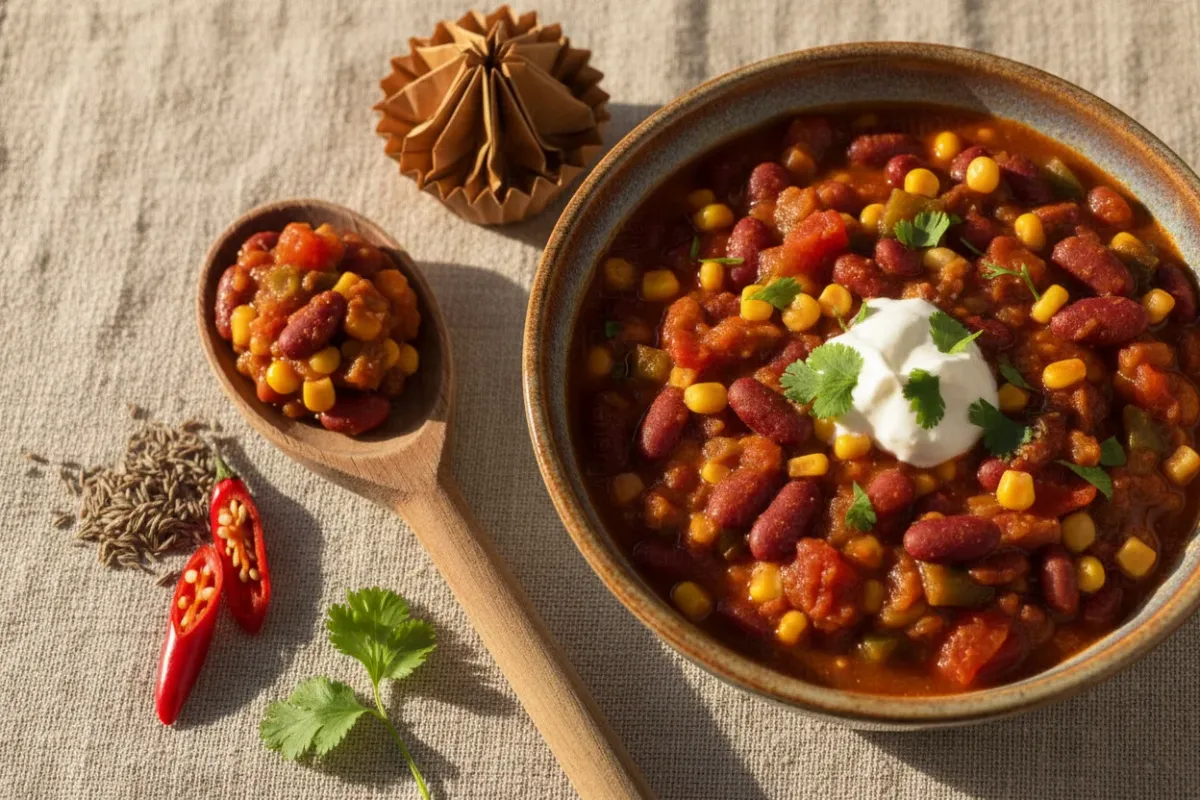
Bean Chili
A classic among reheatable dishes. Red beans, tomato sauce, chili peppers, corn, onion, garlic, and paprika — minimal effort, maximum flavor. On the second day, chili becomes even richer. Serve it with brown rice or a whole wheat tortilla.
Nutrition per serving (300 g chili without sides): ~220 kcal | P: 12 g | F: 3 g | C: 38 g
Tip: make a double batch right away. As noted on Delish Knowledge, vegetarian white bean chili can be frozen in an airtight container for 3–4 months. Before reheating, simply thaw it in the refrigerator overnight.
Chickpea Tikka Masala
Chickpeas in a creamy tomato sauce with spices — a warm, comforting dish that only improves in flavor after a night in the fridge. According to Live Eat Learn, a meal prep portion of chickpea tikka masala takes just 25 minutes to prepare.
Nutrition per serving (350 g): ~310 kcal | P: 14 g | F: 10 g | C: 42 g
Cassoulet with Beans and Vegetarian Sausages
Plant-based sausages with white beans in tomato sauce — a hearty casserole that, as described by Hurry The Food Up, "is easy to prepare ahead and simple to reheat for busy weeknight dinners." The dish is rich in protein and fiber.
Nutrition per serving (350 g): ~330 kcal | P: 18 g | F: 9 g | C: 44 g
Curries and Stews: Dishes That Get Better the Next Day
If there's a category of dishes made for reheating, it's curries. Sauces based on coconut milk or tomatoes soak into vegetables and grains, creating a deep, layered flavor.
Vegetable Curry with Coconut Milk
Sweet potato, cauliflower, spinach, chickpeas — the essential lineup for a hearty curry. Coconut milk makes the sauce silky, while turmeric and ginger add anti-inflammatory properties.
Nutrition per serving (350 g without sides): ~260 kcal | P: 8 g | F: 14 g | C: 28 g
Lentil Dal
Red lentils cook down into a smooth, creamy consistency — the perfect texture for reheating. No chunks that could dry out. Onion, garlic, ginger, turmeric, tomatoes — the simplest ingredients, yet the result is impressive.
Nutrition per serving (300 g): ~230 kcal | P: 15 g | F: 4 g | C: 35 g
Ratatouille
Eggplant, zucchini, bell peppers, and tomatoes roasted with Provençal herbs. Vegetables braised in their own juices retain their shape and flavor when reheated — especially if you use the oven to warm them up.
Nutrition per serving (300 g): ~120 kcal | P: 3 g | F: 5 g | C: 15 g
Casseroles and Pastas: Comfort Food for Meal Prep
Pasta Bake
Whole wheat pasta, tomato sauce, spinach, and cheese — assemble everything in a baking dish and bake. According to Delish Knowledge, this kind of vegetarian pasta bake can be frozen for up to three months, then reheated in the oven at 200°C for about 30 minutes. The finishing touch: "add spinach and cheese on top and bake for another 3–5 minutes."
Nutrition per serving (350 g): ~380 kcal | P: 16 g | F: 12 g | C: 52 g
Mac and Cheese
According to Instacart, a mac and cheese casserole is "a great option for vegetarian meal prep": you can make a whole tray, portion it out, and reheat it "without worrying about losing flavor."
Nutrition per serving (300 g): ~420 kcal | P: 18 g | F: 18 g | C: 48 g
Vegetable Lasagna
Layers of thin pasta sheets, ricotta, spinach, mushrooms, and tomato sauce. Lasagna is perhaps one of the few dishes that genuinely tastes better on the second day than the first. The sauce soaks into the pasta, the cheese melts again — the perfect dinner straight from the fridge.
Nutrition per serving (350 g): ~360 kcal | P: 18 g | F: 14 g | C: 40 g
Rice and Grains: The Foundation of Quick Dinners
Vegetable Fried Rice
As described by Instacart, vegetarian fried rice "stores well in the refrigerator and reheats easily without losing flavor." Make a big batch and portion it out for the whole week.
The basic lineup: rice (preferably cooked and cooled in advance), egg (or tofu for a vegan version), carrot, green peas, soy sauce, sesame oil.
Nutrition per serving (350 g): ~320 kcal | P: 10 g | F: 8 g | C: 52 g
Burrito Bowl with Beans and Rice
Cilantro-lime rice, black beans, roasted peppers, corn, avocado — a complete lunch or dinner. According to Rancho El Toro, these burrito bowls "stay fresh for 3–4 days and work great both hot and cold."
An important tip from the same source: "cook in batches — make a big pot of beans or lentils and freeze half for the following week."
Nutrition per serving (400 g): ~370 kcal | P: 14 g | F: 9 g | C: 58 g
Farro and White Bean Soup (Italian)
As noted on Delish Knowledge, Italian farro and bean soup is "rich in fiber, iron, and protein." The recipe is easy to double or triple for batch cooking.
Nutrition per serving (350 g): ~240 kcal | P: 12 g | F: 3 g | C: 44 g
Tofu Dishes: Protein and Texture
Tofu Stir-Fry with Vegetables and Bell Pepper
According to Hurry The Food Up, a tofu and bell pepper stir-fry takes less than 45 minutes to prepare. Crispy tofu, juicy vegetables, and a sauce made with soy sauce and ginger.
Nutrition per serving (350 g): ~280 kcal | P: 18 g | F: 12 g | C: 24 g
Crispy Air Fryer Tofu
According to Instacart, crispy air fryer tofu is "ideal for vegetarian meal prep": you can make a batch and store it in the fridge. To restore the crispy coating when reheating, use an air fryer or oven, not a microwave.
Nutrition per serving (150 g tofu): ~180 kcal | P: 16 g | F: 10 g | C: 6 g
How to Reheat Properly: Safety and Flavor
Cooking ahead is great, but it's important to do it safely. Here are the key rules.
Minimum Temperature
According to Food Safety Genie, the "golden rule" of reheating is to bring food to an internal temperature of 74°C (165°F). This ensures bacteria are destroyed.
Choosing a Reheating Method
Each method suits different dishes:
- Stovetop — the best choice for soups, stews, sauces, and braised dishes. As Food Safety Genie recommends, reheat over low heat to prevent burning.
- Oven — ideal for casseroles, lasagna, pasta bakes, and large dishes. According to One Education, the recommended temperature is 165°C (325°F), and the dish should be covered with foil to retain moisture.
- Microwave — fast, but with caveats. Stir the food during reheating — microwaves heat unevenly, and "stirring helps distribute heat, reducing cold spots where bacteria can survive." After reheating, let the dish stand for 1–2 minutes.
Hack for Crispy Textures
If the dish has crispy elements (roasted vegetables, tofu), remove the foil during the last few minutes of oven reheating — this allows the surface to dry out and become crispy again. This tip comes from the experts at One Education.
Storage Times: A Cheat Sheet
| Dish | In the fridge | In the freezer |
|---|---|---|
| Chili, curry, stew | 3–4 days | 3–4 months |
| Pasta bake | 3–4 days | Up to 3 months |
| Burrito bowl | 3–4 days | Not recommended (avocado) |
| Fried rice | 3–4 days | Up to 2 months |
| Bean soups | 4–5 days | Up to 4 months |
| Crispy tofu | 3–4 days | Not recommended |
How to Organize Weekly Meal Prep
A simple plan that works:
- Weekend — cooking day. Choose 2–3 dishes from the list above. For example: lentil dal + vegetable lasagna + fried rice.
- Portion everything out right away. Use glass containers — they work for the fridge, the microwave, and the oven.
- Label the date. Fridge dishes should be eaten within 3–4 days. The rest goes in the freezer.
- Store sauces and sides separately. Tortillas, bread, fresh vegetables, avocado — add these before serving. As advised on Rancho El Toro, "pack tortillas separately to prevent sogginess."
- Rotate. Two days of dal, two days of lasagna, one day of rice — this way you won't get bored.
Frequently Asked Questions
Should I use day-old cooled rice for fried rice if I plan to reheat it later?
Yes, and it's actually preferable. Cooled rice is drier and fries better without clumping. The key is to store the cooked rice in the refrigerator for no more than a day before frying and to make sure it reaches 74°C when reheated.
Can I assemble a lasagna or casserole ahead of time and bake it the next day?
Absolutely. Many casseroles actually benefit from letting the ingredients "get acquainted" overnight. Assemble the dish, cover it with plastic wrap, and place it in the fridge. Before baking, let the dish sit at room temperature for 20–30 minutes and add 5–10 minutes to the cooking time.
What's the best way to freeze vegetarian dishes for weeknight dinners?
Cool the dish to room temperature, portion it into individual containers, leaving a little room for expansion during freezing. Seal tightly. Thaw in the refrigerator overnight — as recommended on Delish Knowledge, you can also "run cool water over the container" to speed up the process.
How do I prevent vegetables from drying out when reheating?
Cover the dish with foil when reheating in the oven — this locks in moisture. Add a tablespoon of water or broth before reheating in the microwave. For crispy vegetables, remove the foil during the last 3–5 minutes. And most importantly — don't overheat: once the dish reaches 74°C, it's done.
Can I make sauces and fillings ahead of time and store them separately?
This is actually recommended. Sauces (tomato, curry, pesto) keep well for 4–5 days in the fridge and up to 3 months in the freezer. Store them separately from grains and pasta — this way each component retains its texture, and you can mix and match them depending on your mood.
Meal prep isn't about boring food from containers. It's about taking care of yourself when you're too tired to cook. Make a couple of dishes from this list on the weekend — and you'll have warm, delicious, and balanced dinners all week long. No fuss, no compromises on flavor.
This article is for informational purposes only and is not medical advice. Consult a doctor or dietitian before making dietary changes.