Tired of Pasta and Frozen Wings? A Guide to Diverse and Healthy Eating
Break free from pasta and frozen wings. Discover simple, nutrient-rich alternatives that transform your diet without extra cooking time. Easy swaps for better health.
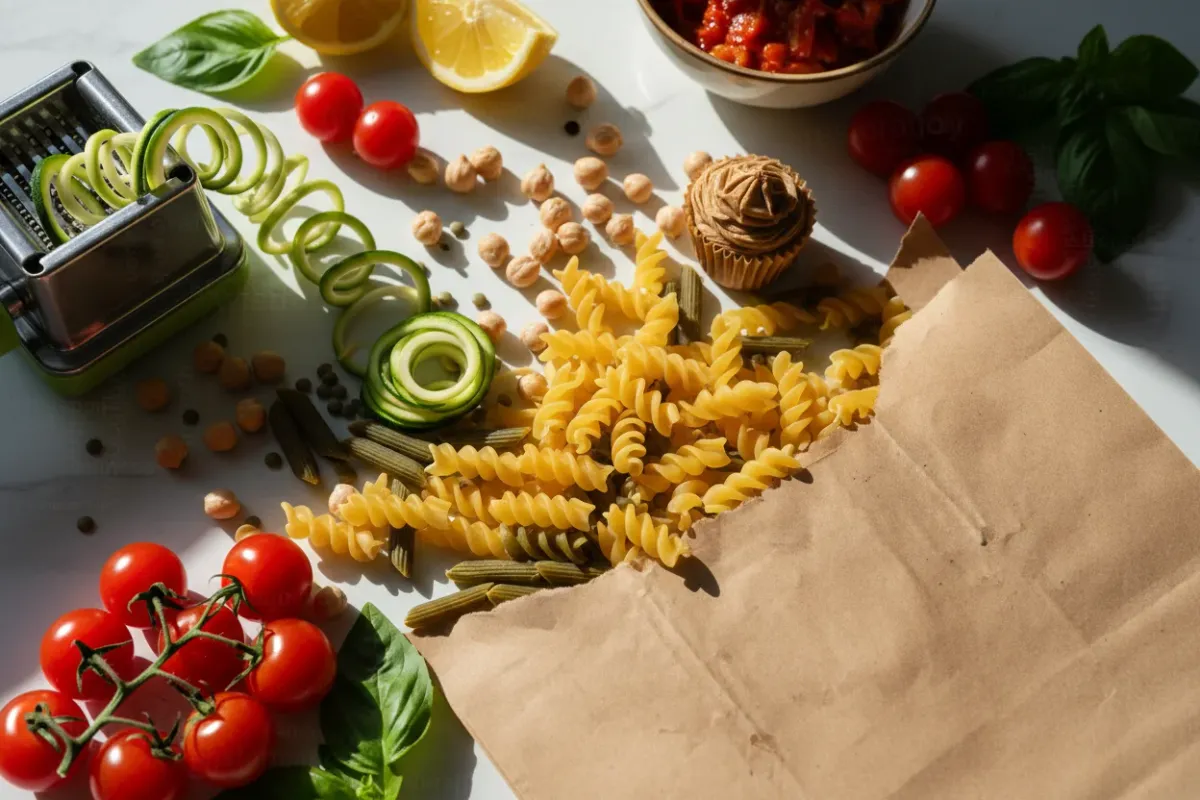
Why Pasta and Wings Are a Dead End
Pasta with sauce and frozen chicken wings are quick, cheap, and straightforward. But if you eat like this for weeks, your body starts missing out on important nutrients: fiber, healthy fats, vitamins, and minerals. Plus, regular white pasta is essentially fast carbs with minimal fiber, and frozen wings often contain excessive amounts of sodium and trans fats from the breading.
The good news: diversifying your diet is easier than it seems. You don't need to become a chef or spend hours in the kitchen. It's enough to learn a few simple swaps and basic techniques.
Alternatives to Regular Pasta
You don't have to give up pasta entirely. But it's worth trying options that provide more protein, fiber, and micronutrients.
Chickpea Pasta
One of the best options for those who want a familiar texture but with an improved nutrient profile. As Healthline specialists note, Banza chickpea pasta is a good source of fiber and protein, which can't be said about most other alternatives.
Approximate macros per 100 g (dry): 350 kcal | P: 20 g | F: 6 g | C: 55 g | Fiber: 8 g
It's prepared exactly like regular pasta. Goes great with tomato sauce, pesto, and vegetable stews.
Zucchini Spaghetti (Zoodles)
Zucchini cut into spaghetti shapes with a spiralizer is a classic low-calorie substitute. It's the perfect option when you're craving pasta with red sauce but without the extra carbs.
Approximate macros per 200 g (cooked): 34 kcal | P: 2.4 g | F: 0.6 g | C: 6.2 g | Fiber: 2 g
A spiralizer is inexpensive and useful not just for zucchini — you can make "noodles" from beets, carrots, and sweet potatoes.
Lentil Pasta
According to Legally Healthy Blonde, lentil pasta works well when paired with the right sauce, although it's not as tasty as chickpea pasta. On the other hand, it contains a lot of iron and plant-based protein.
Approximate macros per 100 g (dry): 340 kcal | P: 24 g | F: 1.5 g | C: 52 g | Fiber: 7 g
Whole Wheat or Multigrain Pasta
The gentlest transition: the taste and texture are almost like regular pasta, but with more fiber. As Mass General Brigham specialists recommend, choosing multigrain or whole wheat pasta instead of white is one of the simplest healthy swaps. Some of these pastas also contain omega-3 fatty acids.
Cauliflower Rice
A great substitute not just for pasta but also for white rice. You can buy it pre-made in the freezer section or make it yourself by pulsing cauliflower in a blender. It works for risotto, pilaf, and meat side dishes.
Approximate macros per 150 g (cooked): 38 kcal | P: 3 g | F: 0.4 g | C: 7.5 g | Fiber: 3 g
Protein — Not Just Chicken Wings
Frozen wings are convenient, but essentially you're limited to one product with high fat and sodium content. Here are simple and accessible protein sources that are easy to prepare.
Chicken Thighs and Breast
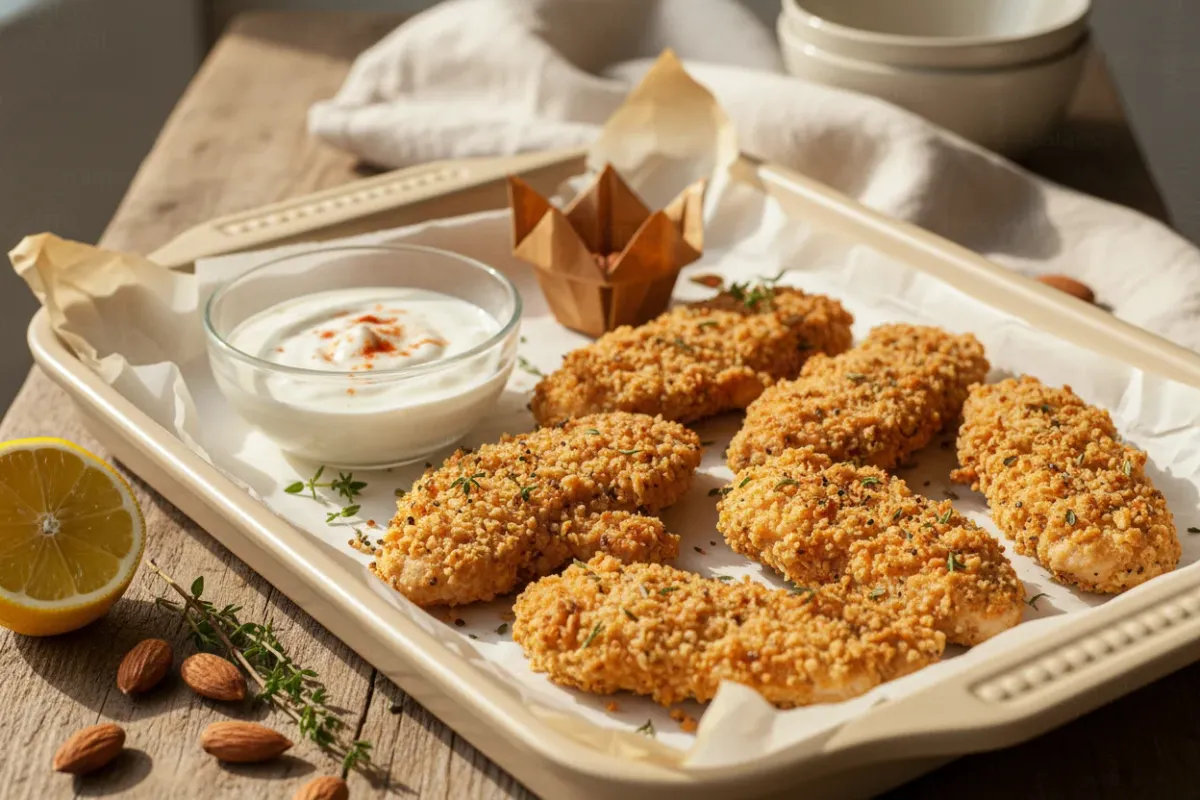
Chicken thighs are a budget-friendly and juicy alternative to wings. Just roast them on a sheet pan at 200°C (400°F) with vegetables: sweet potato, broccoli, bell pepper. One sheet pan — and dinner for 2–3 days is ready.
Macros for skinless chicken thigh (100 g): 177 kcal | P: 24 g | F: 8 g | C: 0 g
Chicken breast is even leaner and higher in protein: about 165 kcal and 31 g of protein per 100 g.
Fish (Salmon, Pollock, Tilapia)
Fish cooks in 15–20 minutes in the oven. Salmon on a sheet pan with vegetables is one of the simplest and most balanced dinners. According to the EatingWell meal plan, oven-baked salmon with sheet pan vegetables is among the recommended dishes for beginners.
Eggs
The fastest and cheapest protein. A vegetable omelet is a complete meal in 10 minutes. Hard-boiled eggs are the perfect snack that can be prepared in advance for several days.
Macros for one large egg: 72 kcal | P: 6.3 g | F: 5 g | C: 0.4 g
Canned Legumes
Chickpeas, black beans, white beans, lentils — inexpensive, shelf-stable for a long time, and contain both protein and fiber. You can make hummus from chickpeas in 5 minutes. Beans can be added to salads, soups, stews, and chili.
Macros for canned chickpeas (100 g): 120 kcal | P: 7 g | F: 2.5 g | C: 17 g | Fiber: 5 g
Tofu and Ground Turkey
As Mass General Brigham specialists recommend, ground turkey, chicken, or tofu are excellent alternatives to fatty beef in chili, patties, lasagna, and meatballs. Fewer calories, less saturated fat.
Simple Everyday Meals: Build Your Own Menu
You don't need to memorize complicated recipes. Just learn the formula:
Protein + complex carb + vegetables + healthy fat = a balanced meal
Here are specific examples:
| Meal | Protein | Carb | Vegetables | Fat |
|---|---|---|---|---|
| Breakfast | Eggs (2) | Oatmeal | Spinach | Avocado |
| Lunch | Chicken breast | Quinoa | Cucumber, tomato, carrot | Olive oil |
| Dinner | Salmon | Brown rice | Broccoli, bell pepper | Sesame oil |
| Snack | Greek yogurt | Banana | — | Walnuts |
This approach is also supported by specialists from the Cleveland Clinic: "Make meals satisfying by including a balance of protein, vegetables, and complex carbohydrates" (Cleveland Clinic).
Meal Prep: Cook Once — Eat All Week
Meal prep isn't about boring containers of rice and chicken. It's a way to eliminate the daily question "what should I eat?" and avoid sliding back to frozen convenience foods.
Where to Start
- Pick one day (Sunday is the classic choice) for preparation
- Start with 3–4 simple recipes — don't try to cook 15 dishes at once
- Reuse ingredients: roasted chicken goes into both a lunch salad and dinner with rice
Cleveland Clinic specialists advise thinking about how one ingredient can be used across multiple meals. For example, if you roast chicken, one day you can serve it with broccoli and sweet potato, and another day add it to a salad with greens and whole grain crackers.
Three Recipes for Your First Meal Prep
Roasted Chicken Thighs with Vegetables:
- 500 g skinless chicken thighs
- 300 g sweet potato, diced
- 200 g broccoli
- 1 tbsp olive oil, salt, pepper, paprika
- Everything on one sheet pan, 200°C (400°F), 35 minutes
Macros per serving (~350 g): 320 kcal | P: 28 g | F: 10 g | C: 28 g
Quinoa with Vegetables and Dressing:
- 200 g quinoa (dry)
- Cucumber, tomato, carrot — diced
- Dressing: lemon juice + olive oil + salt
- Cook quinoa according to package instructions, mix with vegetables, portion into containers
Macros per serving (~250 g): 220 kcal | P: 8 g | F: 6 g | C: 34 g
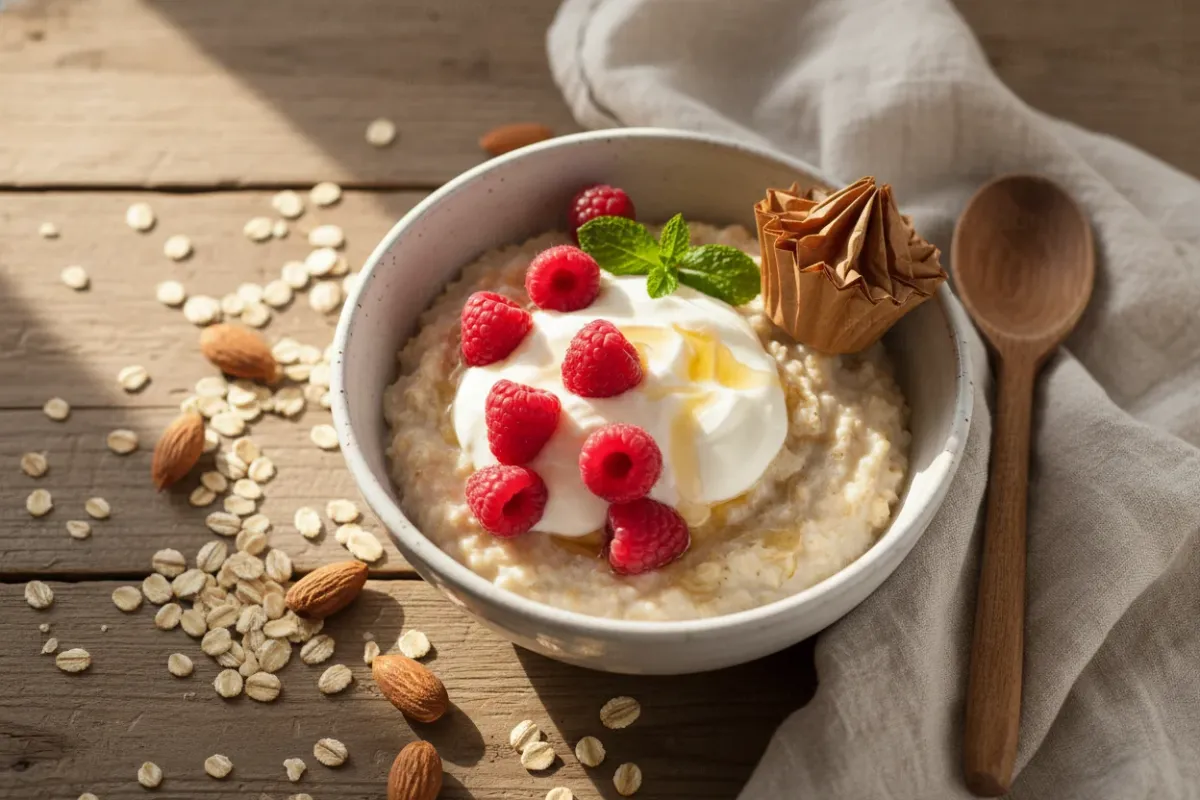
Overnight Oats:
- 75 g rolled oats + 180 ml milk in a container
- Refrigerate overnight
- In the morning, add berries, banana, a spoonful of nut butter
According to Green Healthy Cooking, this is one of the simplest ways to ensure a healthy breakfast: "Just spend a minute in the evening, and your breakfast is ready in the morning."
Macros per serving (with berries and banana): 350 kcal | P: 12 g | F: 7 g | C: 58 g
Healthy Snacks That Require No Cooking
Snacks are the Achilles' heel of anyone trying to improve their diet. If there's nothing ready at hand, you'll reach for chips or cookies. Here are options that require no culinary skills:
- Greek yogurt + berries + walnuts — protein, fiber, healthy fats. Macros: ~200 kcal | P: 15 g | F: 8 g | C: 18 g
- Hard-boiled eggs (boil 6 in advance for the week) — 72 kcal and 6 g of protein each
- Hummus + carrot sticks / cucumber — Macros per serving: ~150 kcal | P: 5 g | F: 8 g | C: 15 g
- Banana + a tablespoon of peanut butter — ~200 kcal | P: 5 g | F: 8 g | C: 28 g
- A handful of nuts (30 g) + dried fruit — ~180 kcal | P: 5 g | F: 14 g | C: 10 g
- 5% cottage cheese with berries — ~130 kcal | P: 14 g | F: 5 g | C: 7 g
Budget Products You Should Always Have at Home
Healthy eating doesn't have to be expensive. Here's a list of basic shelf-stable products that let you put together a balanced meal at any time:
| Product | Why You Need It | Shelf Life |
|---|---|---|
| Rolled oats | Breakfasts, baking | Months |
| Canned chickpeas/beans | Protein, fiber | Years |
| Brown rice / quinoa | Complex carbs | Months |
| Eggs | Universal protein | 3–4 weeks |
| Frozen vegetables (broccoli, spinach, mixed) | Vitamins, fiber | Months |
| Peanut / almond butter | Healthy fats, protein | Months |
| Canned tuna | Protein, omega-3 | Years |
| Olive oil | Healthy fats, cooking | Months |
| Spices (paprika, turmeric, garlic, Italian herbs) | Flavor without calories | Years |
How to Implement Changes Without Stress
You don't need to change everything at once. Dietitian Kathy McManus from Brigham and Women's Hospital says: "Many people feel overwhelmed when they think about changing their diet. But simple substitutions can bring significant benefits" (Mass General Brigham).
Here's a 4-week plan:
Week 1: Replace white pasta with whole wheat or chickpea pasta. Leave everything else as is for now.
Week 2: Add one new protein source (fish, eggs, or tofu). Try making a sheet pan dinner.
Week 3: Start doing one meal prep — for example, overnight oats or lunch containers.
Week 4: Add vegetables to every main meal. They don't have to be fresh — frozen broccoli or spinach work perfectly.
Cleveland Clinic specialists recommend trying one new recipe each week to keep things interesting. Themed days also help: Meatless Monday, Taco Tuesday, Sunday brunch.
Frequently Asked Questions
How can I cook quickly and healthily with limited time and a limited set of ingredients?
Master the "one sheet pan" method: lay out your protein (chicken, fish) and vegetables on a sheet pan, season, and put it in the oven for 30–35 minutes. While everything bakes, you can take care of other things. Meal prep also helps: spend a couple of hours on the weekend so you don't have to think about cooking on weekdays.
What high-protein snacks can I eat without any cooking?
Greek yogurt (10–15 g of protein per serving), hard-boiled eggs (prepared in advance), cottage cheese with berries, a handful of nuts, hummus with vegetable sticks. None of these require culinary skills and they keep in the fridge for several days.
What inexpensive protein sources can I keep at home besides chicken and pasta?
Canned chickpeas, black and white beans, lentils, canned tuna, eggs — all of these are inexpensive, have a long shelf life, and contain a significant amount of protein. Frozen ground turkey is also a good option.
How can I put together a balanced meal if I don't have fresh meat?
Legumes (chickpeas, beans, lentils) combined with grains (brown rice, quinoa) provide a complete set of amino acids. Add frozen vegetables and an olive oil dressing — and you've got a complete meal. Eggs and canned tuna are also great fallbacks.
This article is for informational purposes only and is not medical advice. Consult a doctor or dietitian before making dietary changes.