The Cheapest and Most Nutritious Foods: Everyday Recipes for Those Watching Calories and Budget
Eat healthy on a budget: discover the cheapest nutritious foods and easy everyday recipes that cost pennies but deliver maximum protein and fiber.
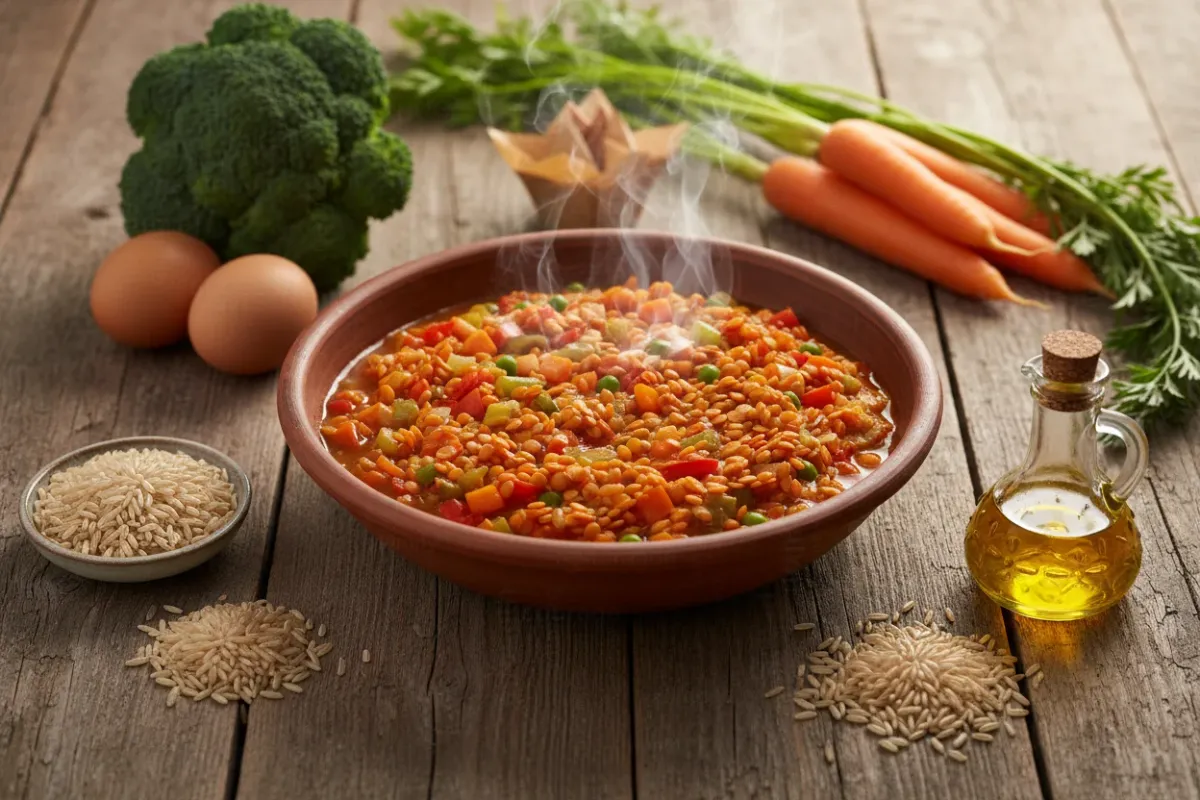
Healthy eating doesn't have to be expensive. This is one of the most persistent myths that keeps people from tracking their macros and choosing quality foods. In reality, the most nutritious foods on the planet cost pennies. Rice, lentils, legumes, vegetables, eggs, and oatmeal deliver more protein, fiber, and micronutrients per ruble spent than any processed food or fast food.
In this article, we break down the best-value foods in terms of nutrients per unit cost, along with specific recipes you can cook every day.
Why "Cheap" Doesn't Mean "Unhealthy"
There's a common misconception that budget food means instant noodles, hot dogs, and bread. But research shows the opposite.
According to an analysis by Efficiency Is Everything, which compared 37 micronutrients per dollar, the leaders in nutritional value turned out to be fresh, unprocessed foods: leafy greens, legumes, carrots, broccoli, chicken, and eggs. Fast food and processed foods lost by a landslide — they cost 2–3 times more than home-cooked meals at comparable calorie counts.
Similar conclusions are drawn by Optimising Nutrition: in terms of protein-to-price ratio, chicken, liver, high-protein yogurt, and protein powder come out on top. And if you also factor in satiety, legumes and chicken are the absolute champions: you feel full with less food and spend even less.
The overall conclusion from all sources can be boiled down to a simple formula:
- Cheap protein: lentils, beans, chickpeas, chicken, eggs, milk — about 50 grams of protein per dollar.
- Cheap carbs: rice, oatmeal, pasta, potatoes, flatbreads.
- Cheap micronutrients: cabbage, carrots, onions, garlic, broccoli, frozen vegetables.
- Fats: vegetable oil — an essential and the most calorie-dense component.
Top 10 Best-Value Foods and Their Macros
Here are the foods you should always keep at home. They store well, cost little, and deliver maximum benefits.
Lentils (Green/Brown)
Macros per 100 g dry: ~352 kcal | P: 24 g | F: 1.1 g | C: 63 g
Lentils are one of the most underrated foods. They're nearly pure protein and complex carbohydrates with a huge amount of fiber, iron, and folic acid. They cook without soaking in 20–25 minutes. The texture of cooked lentils resembles ground meat, making them an easy substitute for meat in sauces, stews, and tacos.
Rice (Long-Grain White)
Macros per 100 g dry: ~365 kcal | P: 7 g | F: 0.7 g | C: 80 g
The staple carbohydrate that pairs with absolutely everything. White rice provides quick energy, while brown rice offers more fiber and micronutrients. Both work well for budget eating.
Beans (Black, Red, White)
Macros per 100 g dry: ~333 kcal | P: 21 g | F: 1.2 g | C: 60 g
Beans combined with rice provide a complete amino acid profile — this is a classic of budget eating worldwide. As the authors of 5 Dollar Dinners note, rice and bean dishes cost $3–4 for a family of four for a full dinner.
Oatmeal (Rolled Oats)
Macros per 100 g dry: ~379 kcal | P: 13 g | F: 6.5 g | C: 67 g
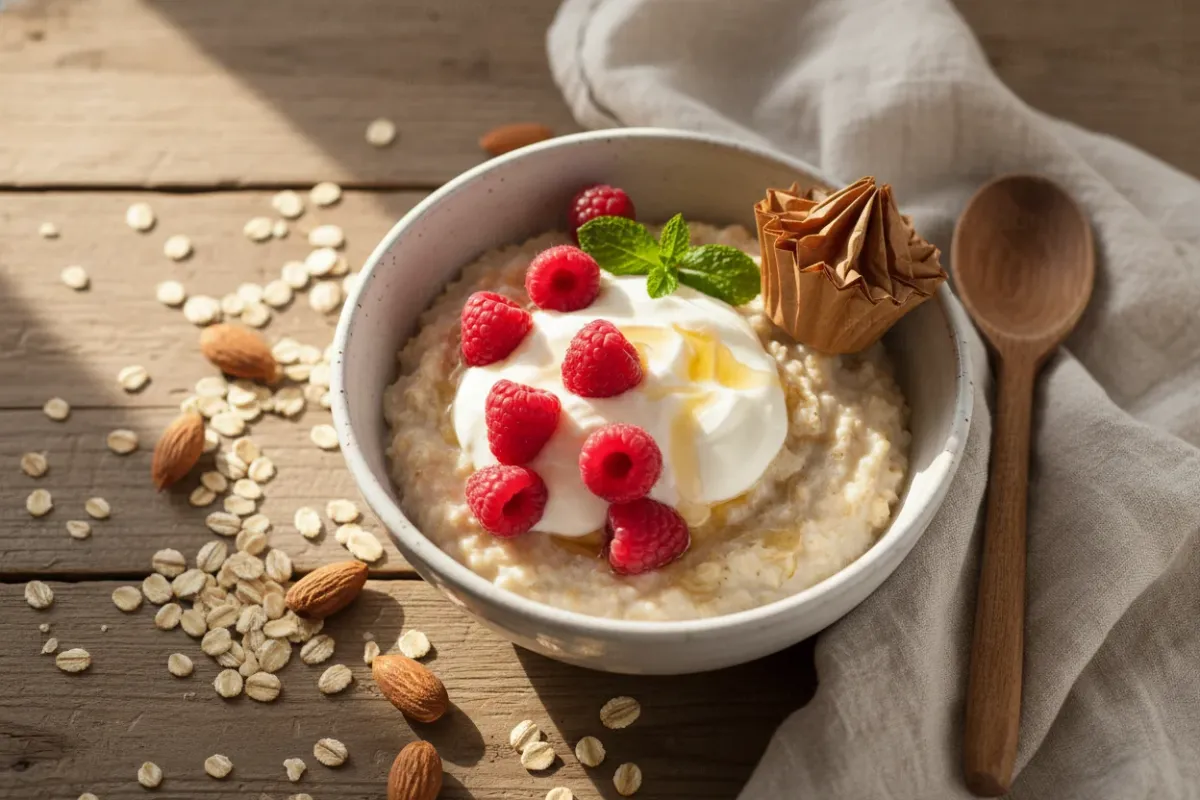
The perfect breakfast: keeps you full for a long time, contains beta-glucan (soluble fiber) that's beneficial for heart health and digestion. Costs pennies, cooks in 5 minutes.
Eggs
Macros per 1 egg (~60 g): ~93 kcal | P: 6.3 g | F: 6.7 g | C: 0.6 g
One egg is a nearly perfectly composed food: complete protein, vitamins A, D, B12, and choline. Eggs are one of the most affordable sources of high-quality animal protein.
White Cabbage
Macros per 100 g: ~25 kcal | P: 1.3 g | F: 0.1 g | C: 5.8 g
According to Healthline, cabbage and other cruciferous vegetables are unique in their content of glucosinolates — antioxidants being studied in the context of protection against certain types of cancer and cardiovascular diseases. At the same time, cabbage keeps for weeks and costs less than most vegetables.
Carrots
Macros per 100 g: ~41 kcal | P: 0.9 g | F: 0.2 g | C: 9.6 g
According to the Efficiency Is Everything analysis, carrots are one of the leaders in vitamin A content per unit cost. They are so rich in this vitamin that when compiling the nutritional ranking, the data had to be normalized so that carrots wouldn't "overshadow" all the other foods.
Onions and Garlic
Onion macros per 100 g: ~40 kcal | P: 1.1 g | F: 0.1 g | C: 9.3 g
Not so much a source of calories as a foundation of flavor. Without onions and garlic, budget food would be bland. They transform rice and beans from "poverty food" into a complete dish.
Broccoli
Macros per 100 g: ~34 kcal | P: 2.8 g | F: 0.4 g | C: 7 g
As Healthline notes, one serving of broccoli covers 135% of the daily vitamin C requirement. Plus vitamin K, folic acid, and powerful antioxidants. Frozen broccoli costs less than fresh and doesn't lose its nutritional properties.
Canned Tomatoes
Macros per 100 g: ~18 kcal | P: 0.9 g | F: 0.1 g | C: 3.9 g
The base for sauces, stews, and soups. A serving of canned tomatoes covers 37% of the daily vitamin C requirement. They also contain lycopene — an antioxidant linked to lower levels of "bad" cholesterol.
The Principle of Building a Budget Meal
You don't need to memorize hundreds of recipes. It's enough to understand a simple principle suggested by the authors of Efficiency Is Everything:
- Choose a cheap protein: lentils, beans, chickpeas, chicken, or eggs.
- Choose a base carb: rice, pasta, potatoes, flatbreads.
- Add flavor: onions, garlic, carrots, frozen vegetables, and spices.
- Add fats: vegetable oil (essential for absorbing fat-soluble vitamins and for satiety).
- Search online: "[protein] + [carb] + [vegetable/spice] recipe" — and follow the recipe you find.
This formula gives you an infinite number of combinations. And now — specific recipes.
Recipe 1: Rice with Black Beans, Onion, and Cilantro
Inspired by a recipe from Eating Richly — only about 30–35 rubles per serving.
Ingredients (serves 4):
- 200 g long-grain rice
- 1 can of black beans (400 g) or 150 g dry, soaked overnight
- 1 medium onion
- 2 cloves of garlic
- A bunch of cilantro (or parsley)
- 1 tbsp vegetable oil
- Salt, pepper, optionally — Worcestershire sauce (1 tsp)
Preparation:
- Cover the rice with water at a 1:2 ratio, bring to a boil, reduce heat, and cook covered for 15–20 minutes.
- Finely dice the onion, mince the garlic. Sauté in oil for 5 minutes until soft.
- In a large bowl, combine the rice, beans (along with the liquid from the can), sautéed onion and garlic, and chopped cilantro.
- Season with salt, pepper, and Worcestershire sauce. Mix well.
Macros per serving (~350 g):
~320 kcal | P: 12 g | F: 4 g | C: 60 g
Simple, filling, and incredibly cheap. Great for meal prep — keeps in the fridge for 2–3 days.
Recipe 2: Southwest-Style Lentils with Rice (One Skillet)
Adapted from a recipe by Budget Bytes — about $1.40 per serving in the original.
Ingredients (serves 4):
- 150 g brown lentils
- 150 g long-grain rice
- 1 can of beans (400 g), drained
- 1 can of tomatoes in their own juice (400 g)
- 100 g frozen corn
- 1 red onion
- 2 cloves of garlic
- 500 ml vegetable broth (or water)
- 1 tsp cumin
- 1 tsp paprika (or chili)
- 0.5 tsp oregano
- Salt to taste
- Green onions and shredded cheese for serving (optional)
Preparation:
- In a deep skillet or sauté pan, sauté the diced onion and garlic in oil for 3–4 minutes.
- Add all the spices, stir, and heat for 30 seconds.
- Add the lentils and rice, pour in the broth. Add the tomatoes and corn.
- Bring to a boil, reduce heat, cover with a lid. Cook for 25–30 minutes until the lentils and rice are tender.
- Add the beans, stir, and heat for another 5 minutes.
- Serve with green onions and cheese.
Macros per serving (~400 g):
~380 kcal | P: 18 g | F: 3 g | C: 72 g
This dish is a perfect candidate for meal prep. It cooks in one pan, contains both protein and complex carbs, plus fiber. Reheats without losing flavor.
Recipe 3: Oatmeal with Banana and Peanut Butter (5-Minute Breakfast)
Ingredients (serves 1):
- 50 g rolled oats
- 200 ml water or milk
- 1 banana
- 1 tbsp peanut butter (no added sugar)
- A pinch of salt
- Optional: cinnamon, flaxseeds
Preparation:
- Cover the oats with water or milk, bring to a boil, and cook for 3–5 minutes.
- Transfer to a bowl, add the sliced banana and peanut butter.
- Stir. Sprinkle with cinnamon.
Macros per serving:
~370 kcal | P: 12 g | F: 11 g | C: 55 g
This breakfast costs literally 30–40 rubles, yet provides long-lasting satiety thanks to the combination of complex carbs, healthy fats, and protein.
Recipe 4: Scrambled Eggs with Vegetables and Flatbread
Ingredients (serves 1):
- 2 eggs
- 50 g frozen spinach (or any greens)
- 1 small tomato
- 1 flatbread (lavash, tortilla)
- 1 tsp vegetable oil
- Salt, pepper
Preparation:
- Heat the oil in a skillet, add the spinach, and warm for 2 minutes.
- Add the diced tomato, cook for another minute.
- Crack in the eggs, season with salt and pepper. Cook to your desired doneness.
- Serve with a warm flatbread.
Macros per serving:
~340 kcal | P: 18 g | F: 16 g | C: 30 g
A quick, filling, and balanced meal. Frozen vegetables work just as well as fresh here — and cost less.
Recipe 5: Cabbage Salad with Carrots and Lemon Dressing
Ingredients (serves 4):
- 300 g white cabbage
- 1 large carrot
- Juice of half a lemon
- 1 tbsp vegetable oil
- 0.5 tsp salt
- A pinch of sugar (or sugar substitute)
Preparation:
- Thinly shred the cabbage, lightly knead it with your hands and salt.
- Grate the carrot on a coarse grater.
- Mix the lemon juice, oil, and sugar. Dress the salad.
Macros per serving (~120 g):
~55 kcal | P: 1.2 g | F: 3.5 g | C: 5 g
Minimal calories, maximum vitamins. This salad is the perfect side to any of the dishes above. Cabbage and carrots together provide vitamins C, A, K, and fiber for virtually nothing.
Meal Prep: How to Organize Budget Eating for the Week
All the dishes listed above fit perfectly into a system of prepping meals several days ahead:
- Sunday: Cook a large pot of rice, a pot of lentils or beans, shred cabbage and carrots for salads.
- Monday–Wednesday: Assemble plates from ready-made components — rice + lentils + vegetables + dressing. Each day — different spices and sauces for variety.
- Wednesday: Cook a new batch if the previous one ran out.
- Breakfasts: Oatmeal cooks in 5 minutes and doesn't require prepping. Scrambled eggs — 7 minutes.
This approach, inspired by recipes from This Savory Vegan, allows you to store the base of your meals in the fridge for 2–3 days and assemble different combinations each day.
How to Make Budget Food Tasty: The Secrets of Spices
The main reason people give up on budget eating is boredom. Rice and beans every day without variation really do get tiresome. The solution is spices. Dried spices cost little, keep for months, and completely transform the character of a dish:
- Cumin + paprika + chili → Mexican style
- Turmeric + coriander + ginger → Indian curry
- Soy sauce + ginger + garlic → Asian style
- Oregano + basil + tomatoes → Italian style
- Mixed peppercorns + bay leaf + dill → classic homestyle flavor
As the authors of Eat, Drink and Save Money note, rice and legumes are not a limitation but a foundation that takes on any flavor. From burrito bowls to Italian rice dishes — the possibilities are virtually endless.
Frequently Asked Questions
Can you build a complete diet from just rice, legumes, and vegetables?
Yes. The combination of legumes (lentils, beans, chickpeas) with rice provides a complete set of amino acids. Adding vegetables covers the need for essential vitamins and minerals. For a more complete picture, it's worth including eggs or dairy products — these are affordable sources of B12, vitamin D, and high-quality animal protein.
Which is a better value as a protein source — eggs or legumes?
Legumes provide more protein per ruble: 100 g of dry lentils contain 24 g of protein, while two eggs provide about 12 g. However, eggs contain complete animal protein and fat-soluble vitamins. The optimal approach is to combine both sources in your diet.
How do you make lentils and beans tasty without expensive ingredients?
The secret is in the aromatic base and spices. Sautéed onions and garlic, a pinch of cumin, paprika, or turmeric transform plain lentils into a flavorful dish. Acidity (lemon juice, tomatoes, vinegar) also brightens the flavor. All of these ingredients cost next to nothing.
How do you properly use frozen vegetables so they don't go to waste?
Frozen vegetables don't need to be thawed before cooking — add them straight from the freezer to the skillet or pot. Store in sealed bags, pressing out the air. Don't refreeze after thawing. Frozen broccoli, spinach, corn, and green peas are the most versatile options.
This article is for informational purposes only and is not medical advice. Consult a doctor or dietitian before making dietary changes.