Steel Cut Oats: A High-Fiber Breakfast You Can Freeze in Batches
Steel cut oats deliver 30% more fiber than regular oats—discover why they're an ideal high-fiber breakfast and get our easy batch-freezing method.
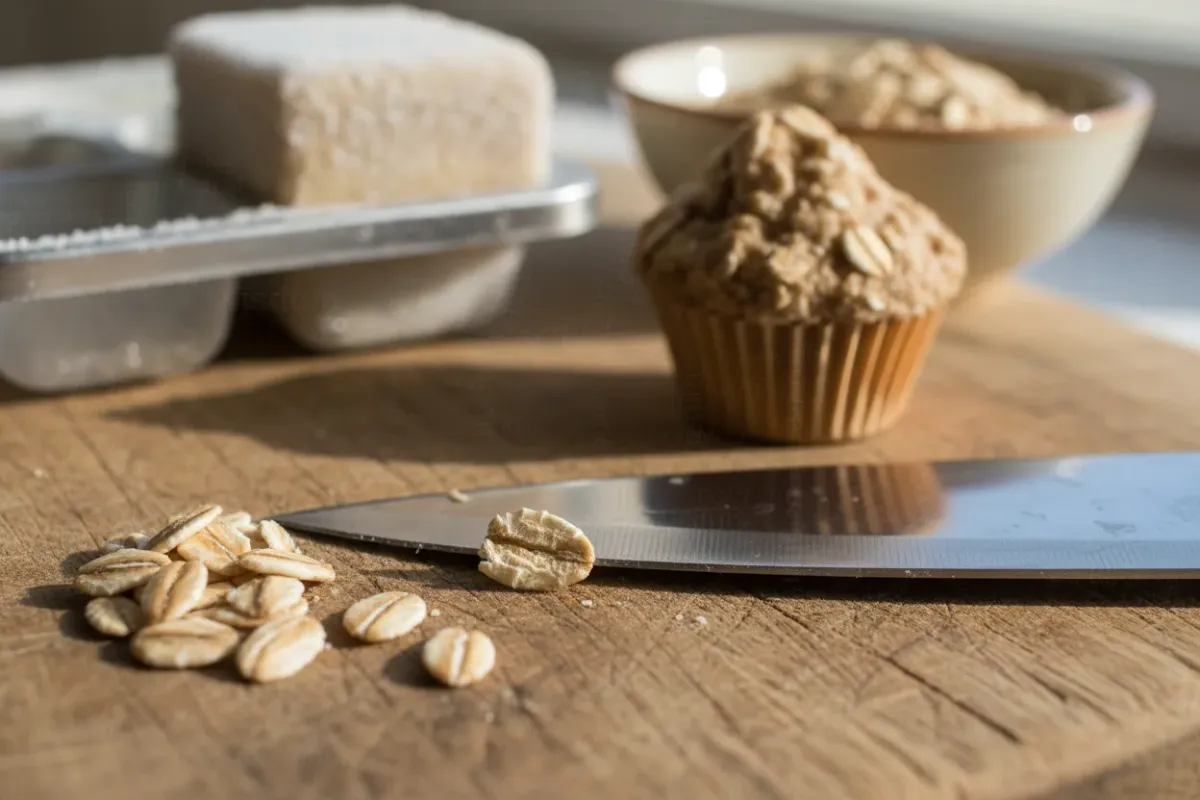
Why steel cut oats aren't your regular oatmeal
Steel cut oats are whole oat groats cut into 2–3 pieces with steel blades. Unlike the familiar rolled oats, which are flattened and steamed, steel cut oats undergo minimal processing. The result is a denser texture, a nutty flavor, and noticeably more fiber.
A 40 g dry serving (roughly ¼ cup) contains about 4–5 g of fiber — approximately 30% more than the same weight of instant rolled oats. It's the fiber that makes this breakfast so filling: it slows digestion, helps control blood sugar levels, and supports gut health.
As specialists at Verywell Health note, a high-fiber breakfast helps you stay full longer, supports digestion, and has a positive effect on heart health and blood sugar levels.
Approximate nutrition per serving (40 g dry steel cut oats)
| Nutrient | Amount |
|---|---|
| Calories | ~150 kcal |
| Protein | ~5 g |
| Fat | ~2.5 g |
| Carbs | ~27 g |
| Fiber | ~4–5 g |
This is plain porridge cooked with water, no toppings. With toppings the nutrition will change — and that's where it gets interesting.
The catch: 20–30 minutes at the stove every morning
The only downside of steel cut oats is the cooking time. While regular rolled oats can be ready with boiling water in 3 minutes, steel cut oats take 20–30 minutes to cook. On a weekday, when every minute counts, that's an unaffordable luxury.
That's exactly why steel cut oats and freezing are a perfect pair. As Freezer Meals 101 describes, all you need to do is cook one large batch, divide it into containers — and for the next two weeks, a warm, creamy, fiber-rich breakfast will be ready in just a couple of minutes in the microwave.
How to cook and freeze: step-by-step process
What you'll need
- 1 cup (160 g) steel cut oats
- 3 cups water (or 2 cups water + 1 cup milk for a creamier texture)
- A pinch of salt
- Optional: cinnamon, vanilla
Cooking
- Bring the water to a boil, add a pinch of salt.
- Add the oats, reduce heat to the lowest setting.
- Cook for 25–30 minutes, stirring every 5–7 minutes. The porridge should become soft but retain a slightly grainy texture.
- Remove from heat, add cinnamon or vanilla if desired.
- Cool completely — this is important to prevent large ice crystals from forming during freezing.
Freezing
Divide the cooled porridge into individual portions. Options:
- Silicone muffin molds — the porridge freezes into neat "pucks" that can then be easily transferred to a single bag. One mold ≈ ½ serving.
- 200–250 ml containers — exactly one serving. Leave 1 cm of space below the lid, as the porridge expands slightly when frozen.
- Zip-lock bags — spread the porridge in a thin layer and squeeze out the air. Freezes the fastest.
According to The Daily Meal, freezing works equally well for both rolled oats and steel cut oats — so there's no need to stand at the stove for 20 minutes every morning when you can do it once.
Thawing and serving
- Microwave: 2–3 minutes, stirring halfway through. Add a couple of tablespoons of water or milk — the porridge will regain its creamy texture.
- Stovetop: over low heat for 5–7 minutes with a small amount of liquid.
Toppings that make the porridge anything but boring
Steel cut oats are the base, the canvas. Every morning you can change the flavor of the same frozen porridge simply by varying the toppings.
Protein option (~250 kcal, P 15 g, F 7 g, C 32 g)
- 1 tbsp peanut butter
- Half a scoop of vanilla protein powder
- A few slices of banana
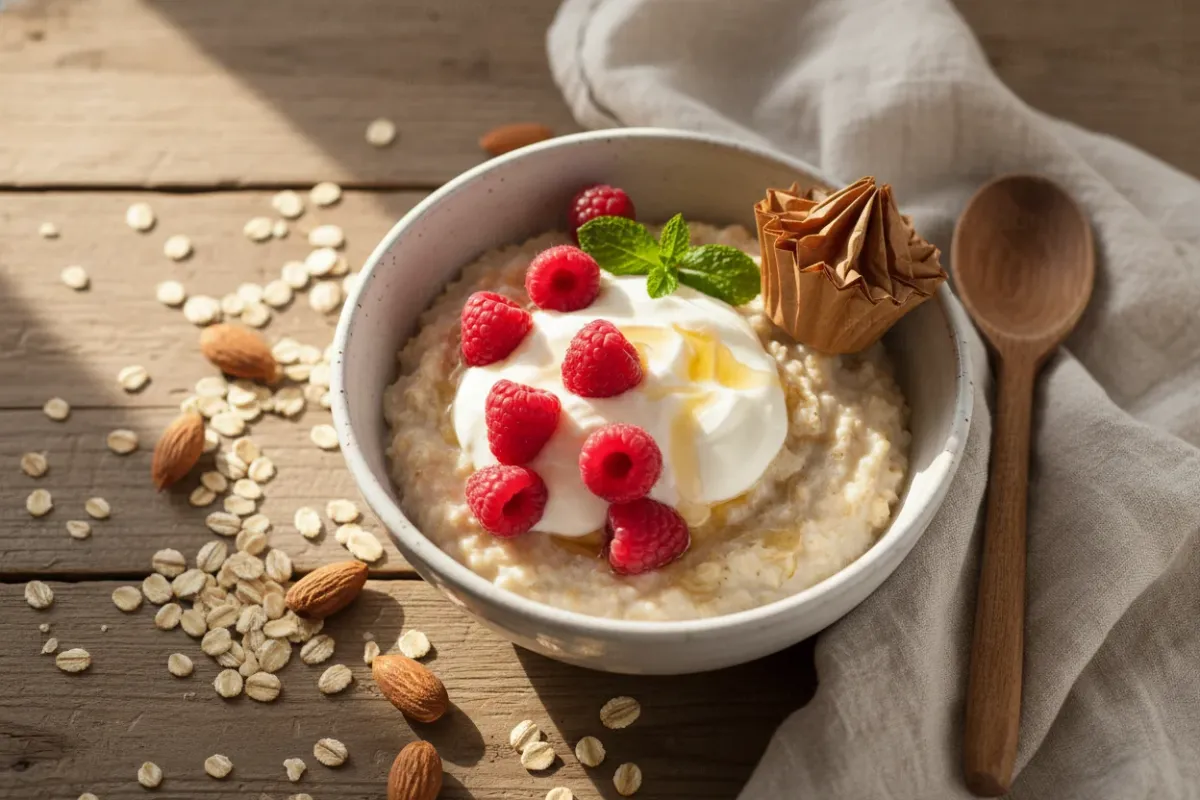
Berry antioxidant option (~200 kcal, P 7 g, F 4 g, C 35 g)
- A handful of frozen berries (blueberries, raspberries)
- 1 tsp honey
- 1 tsp chia seeds
Keto-friendly option (~220 kcal, P 6 g, F 12 g, C 22 g)
- 1 tbsp coconut oil
- A handful of nuts (walnuts, almonds)
- Cinnamon
As Freezer Meals 101 emphasizes, it's precisely the ability to customize that makes this meal prep so convenient — you can switch up the add-ins to match your mood every time.
Who this breakfast is especially good for
- Those in a calorie deficit — fiber and slow carbs provide steady satiety for 3–4 hours. Fewer temptations to snack on cookies before lunch.
- Meal preppers planning for the week — one cooking session on Sunday covers breakfasts for 5–7 days. According to Crunch Time Kitchen, cooking a large batch and freezing individual portions is one of the best ways to ensure you have a quick breakfast ready to go.
- Those who are short on time in the morning — reheating a portion from the freezer is faster than brewing coffee.
- For gut health — the insoluble fiber in steel cut oats supports GI motility.
Common mistakes when freezing oatmeal
Freezing hot porridge. Condensation inside the container turns into an icy crust, and the texture suffers. Always cool to room temperature first.
Not leaving room in the container. Porridge expands when frozen — if you fill it to the brim, the lid can warp.
Adding toppings before freezing. Fruits, nuts, and honey are best added when serving. Frozen berries get soggy and turn the porridge into mush (in a bad way). Nuts lose their crunch.
Storing for too long. The sweet spot is up to 2–3 months. The porridge won't go bad after that, but the flavor and texture gradually deteriorate.
Frequently asked questions
Can you freeze cooked steel cut oats for meal prep?
Yes, and it's one of the best ways to use steel cut oats. According to Chef's Resource, cooked steel cut oats freeze beautifully — just make sure to cool the porridge completely before putting it in the freezer, and add a bit of liquid when reheating.
How long do frozen steel cut oats last?
In the freezer at –18°C — up to 3 months with no noticeable loss in flavor. Technically the porridge remains safe to eat even longer, but the texture becomes less pleasant over time.
How do steel cut oats differ from regular rolled oats in terms of fiber?
Steel cut oats are a minimally processed grain, so they retain more fiber and nutrients. A serving contains about 4–5 g of fiber compared to 3–3.5 g in regular rolled oats. The difference may seem small, but over a week of regular breakfasts, it adds up to significant numbers.
How should you store dry steel cut oats?
In an airtight container in a cool, dry place. Under these conditions, the oats will keep for up to 2 years. The main enemy is moisture: if the packaging isn't sealed properly, the grain can go rancid due to the natural oils it contains.
This article is for informational purposes only and is not medical advice. Consult a doctor or dietitian before making dietary changes.