Replacing Unhealthy Snacks with Healthy Ones: A Practical Guide Without the Extremes
Discover practical strategies to replace junk snacks with nutritious alternatives that taste great. Learn how to swap without deprivation for lasting energy and health.
Why Your Hand Reaches for "Junk" Snacks
Chips, chocolate bars, sugary soda — they're designed to make you want more. The combination of salt, sugar, and fat triggers a powerful dopamine response, and your brain remembers: "Now that's instant pleasure." But after the energy spike, the inevitable crash follows — fatigue, renewed hunger, and guilt.
The good news: replacing unhealthy snacks with healthy ones is easier than it seems. You don't need to give up flavor — you need to find alternatives that deliver both pleasure and real energy. As specialists at Piedmont Healthcare point out, snacking is an important part of a healthy diet: snacks maintain energy between meals and help prevent overeating at lunch or dinner. But this only works when the snack is nutritious, not "empty."
The Main Principle: Don't Ban — Swap
The most common mistake is trying to simply eliminate all "bad stuff" and hold on through sheer willpower. That's a path to breakdowns. A far more effective approach is finding a healthy alternative for each favorite snack that satisfies the same craving: crunchy, sweet, salty, or creamy.
Below are specific substitutions organized by type of craving.
When You're Craving Something Crunchy and Salty
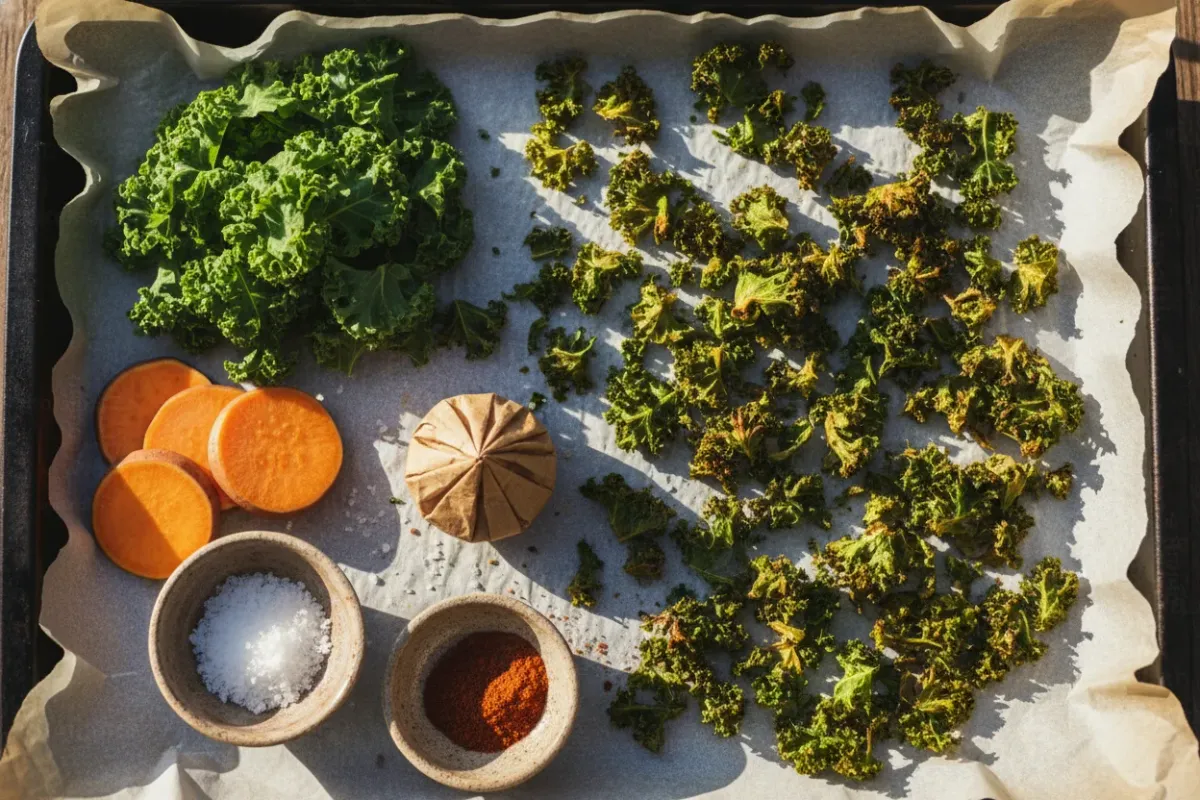
Chips → Veggie Chips or Kale Chips
Regular potato chips contain roughly 536 kcal, 5 g protein, 53 g carbs, 35 g fat per 100 g. Oven-baked veggie chips have significantly less fat and more fiber and vitamins. As Cook Smarts suggests, kale chips can be made in various flavors: with sea salt and vinegar, with paprika, or with nutritional yeast (for a "cheesy" taste).
Macros for homemade kale chips (30 g): ~90 kcal | 3 g protein | 9 g carbs | 5 g fat
Pro tip: Slice the veggies ahead of time, divide them into portion-sized bags — and you'll always have a crunchy snack on hand.
Cheese Sticks / Nachos → Baked Tortilla Chips with Salsa or Guacamole
Instead of greasy nachos with processed cheese — whole-grain tortillas cut into triangles and baked until crispy. Serve with tomato salsa or guacamole. Less fat, more healthy fats from avocado, and more fiber.
Macros per serving (30 g chips + 50 g guacamole): ~170 kcal | 3 g protein | 18 g carbs | 10 g fat
Cheese Puffs → Air-Popped Popcorn
Popcorn without butter and sugar is a whole-grain product with fiber. As noted on Kaidoo Eats, air-popped popcorn contains fewer unhealthy fats while providing fiber and even a bit of protein.
Macros for air-popped popcorn (30 g): ~110 kcal | 3 g protein | 22 g carbs | 1 g fat
When You're Craving Something Sweet
Candy → Frozen Berries and Grapes
The simplest swap, and it works beautifully. Frozen grapes taste like fruit sorbet, while frozen blueberries or raspberries are like berry ice cream. According to Chomps, frozen berries are rich in antioxidants, fiber, and are great at quenching thirst.
Macros for frozen grapes (150 g): ~103 kcal | 1 g protein | 27 g carbs | 0.2 g fat
Milk Chocolate → Dark Chocolate (70%+)
You don't need to give up chocolate entirely. Dark chocolate with 70%+ cocoa contains antioxidants and magnesium, with significantly less sugar. Two or three squares — and the sweet craving is satisfied.
Macros for 70% dark chocolate (20 g, ~2 squares): ~110 kcal | 2 g protein | 8 g carbs | 8 g fat
Sweetened Yogurt → Greek Yogurt with Berries and Honey
Store-bought sweetened yogurt can contain as much sugar as a dessert. Plain Greek yogurt offers high protein content and probiotics for gut health. Add fresh berries for natural sweetness and a teaspoon of honey.
Macros per serving (150 g 2% Greek yogurt + 50 g berries + 10 g honey): ~155 kcal | 15 g protein | 20 g carbs | 3 g fat
Ice Cream → Banana "Ice Cream"
Frozen bananas blended to a creamy consistency — that's natural ice cream without sugar or cream. You can add cocoa, peanut butter, or frozen berries for different flavors.
Macros for banana ice cream (1 medium banana): ~105 kcal | 1.3 g protein | 27 g carbs | 0.4 g fat
When You're Craving Something Filling and "Substantial"
Store-Bought Bars → Homemade Energy Bars
Store-bought granola bars are often loaded with sugar and preservatives. Homemade bars made from oats, nuts, seeds, and honey — no additives and with controlled sugar. As noted on Chomps, the texture turns out chewy and slightly sweet, and the recipe can be adapted to any taste.
Macros for a homemade bar (~40 g): ~170 kcal | 5 g protein | 22 g carbs | 7 g fat
Chips with Dip → Veggie Sticks with Hummus
Carrots, celery, cucumber, bell pepper — cut into sticks and serve with hummus. Fiber, vitamins, plant-based protein from chickpeas. Crunchy, satisfying, and you won't feel compelled to eat the whole container.
Macros per serving (100 g vegetables + 50 g hummus): ~120 kcal | 5 g protein | 14 g carbs | 5 g fat
Fruit + Nut Butter
An apple or banana with a spoonful of peanut or almond butter — a combination of quick carbs from the fruit and healthy fats with protein from the nuts. A filling snack that keeps your energy stable.
Macros (1 medium apple + 15 g peanut butter): ~150 kcal | 4 g protein | 22 g carbs | 6 g fat
Rice Cakes with Avocado
Light yet nutritious: a rice cake (or whole-grain) with mashed avocado, a pinch of salt, and lemon juice. Healthy fats, fiber, minimal calories.
Macros (2 rice cakes + 50 g avocado): ~160 kcal | 3 g protein | 18 g carbs | 8 g fat
Substitution Summary Table
| Unhealthy Snack | Healthy Swap | Key Benefit |
|---|---|---|
| Chips | Veggie chips / kale chips | Less fat, more vitamins |
| Candy | Frozen berries | Antioxidants, natural sweetness |
| Milk chocolate | Dark chocolate 70%+ | Magnesium, less sugar |
| Sweetened yogurt | Greek yogurt with berries | Protein, probiotics |
| Ice cream | Banana "ice cream" | No added sugar |
| Snack bars | Homemade energy bars | No preservatives |
| Chips with dip | Veggies with hummus | Fiber, plant-based protein |
| Cheese puffs | Air-popped popcorn | Whole grain, low fat |
| Soda | Fruit-infused water / kombucha | Sugar-free, hydration |
| Donuts | Whole-grain muffins | Fiber, less sugar |
How to Make the Switch a Lasting Habit
Knowing what to substitute is half the battle. The other half is making sure the healthy snack ends up in your hands before the unhealthy one does. Here are specific strategies.
Preparation Is Everything
When hunger strikes unexpectedly, whatever is closest and easiest wins. That's why healthy snacks need to be the most accessible option. Slice your vegetables on Sunday evening, divide nuts into portion-sized containers, freeze berries and grapes. As specialists at Chomps emphasize, if healthy snacks are visible and easily accessible, you'll reach for them first.
Move Gradually
Don't try to replace all your snacks in one day. Start with one swap per week. This week, veggie sticks with hummus instead of chips. Next week, frozen berries instead of candy. As recommended on Kaidoo Eats, gradual changes work better than radical overhauls: over time, your taste preferences will adapt.
Rotate Your Flavors
Monotony is the enemy of any habit. Alternate between sweet and salty, crunchy and creamy. Today — Greek yogurt, tomorrow — roasted chickpeas, the day after — an apple with nut butter. Variety keeps things interesting and prevents relapses.
Watch Your Portions
Even healthy snacks can be calorie-dense. Nuts, trail mix, energy bars — they're all packed with nutrients, but they're also packed with calories. Measure out your portions ahead of time; don't eat straight from the bag. Small containers or zip-lock bags help control portions effortlessly.
Snack with Purpose
Choose your snack based on the task at hand. Before a workout — quick carbs: fruit or popcorn. After a workout — protein: Greek yogurt, hummus, a protein bar. Between meals — a balanced snack with protein and fiber to get you through to lunch without a hunger-fueled meltdown.
Frequently Asked Questions
How do I make healthy snacking a habit when temptations are everywhere?
The first step is to remove unhealthy snacks from visible spots and replace them with healthy ones. Keep sliced vegetables, portioned nuts, and fruit where the chips used to be. When hunger strikes, your hand reaches for whatever is closest.
Which specific swaps actually work and satisfy cravings?
Frozen grapes satisfy candy cravings, air-popped popcorn replaces chips, dark chocolate stands in for milk chocolate, and Greek yogurt with berries takes the place of sweet desserts. The secret is making sure the substitute hits the same "pleasure category": crunchy, sweet, or creamy.
How do I transition to healthy snacks gradually, without stress?
Start with one swap per week. Don't remove all your favorite snacks at once — simply add healthy alternatives alongside them. Over time, your taste buds will adapt, and cravings for overly sweet and overly salty foods will naturally diminish.
How do I prepare and store healthy snacks so they're as convenient as grabbing a bag of chips?
Once a week, do a "snack prep": slice vegetables, portion out nuts, freeze berries, make homemade bars. Pack everything into containers or zip-lock bags. Place the ready-made portions in a visible spot in the fridge and on the shelf — accessibility is what makes the difference.
How do I get the family on board with healthy snacking without making it feel restrictive?
Give your loved ones choices: offer several swap options and let everyone pick what they like. Cook together — homemade bars or veggie chips become a family activity. And don't ban "junk food" completely: let it remain as an occasional treat, not a daily habit.
This article is for informational purposes only and is not medical advice. Consult a doctor or dietitian before making dietary changes.