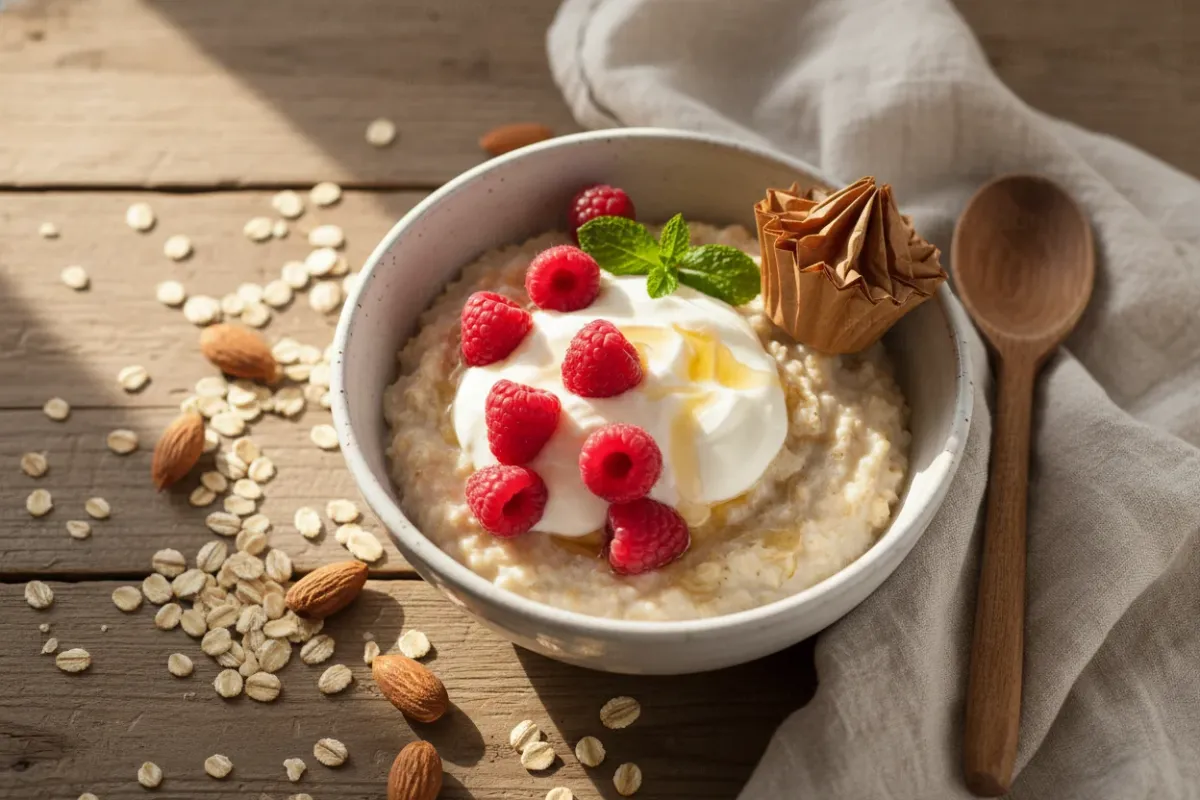
Protein at Breakfast: How to Hit Your Target Without Getting Bored at the Table
Learn why protein at breakfast beats the morning hunger trap. Discover 15-40g daily protein strategies without boredom at the table.
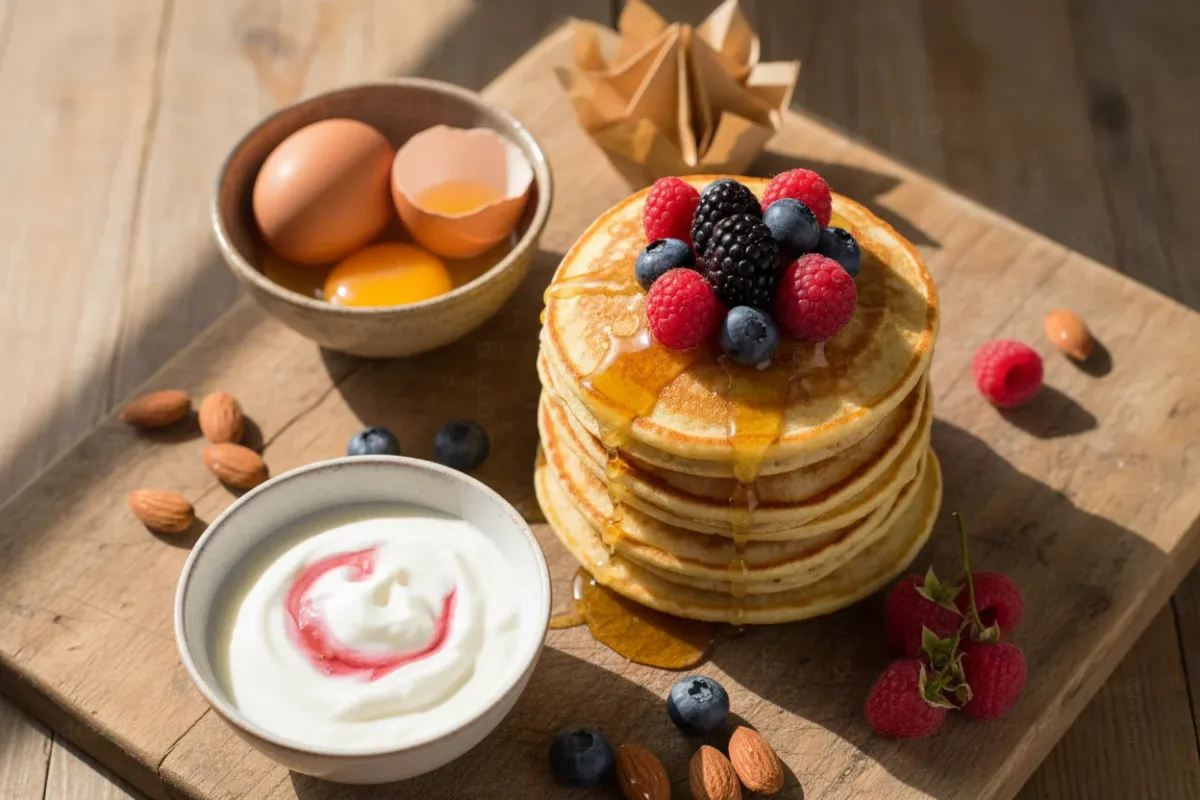
Why a Protein-Free Breakfast Is an Appetite Trap
Morning coffee with a croissant, toast with jam, cereal with milk — classics that leave you hungry again in just an hour and a half. The reason is simple: these breakfasts contain almost no protein. Carbs give you a quick energy boost, followed by an equally quick crash that pulls you toward a sweet snack.
Protein works differently. It digests more slowly, stabilizes blood sugar levels, and keeps you feeling full for a long time. According to Verywell Health, experts recommend getting 15 to 40 grams of protein at breakfast to stay full and energized until lunch. And if you add fiber and complex carbs to the protein, you get the formula for a truly productive morning.
EatingWell emphasizes that increasing protein at your morning meal not only helps control appetite but also supports blood sugar management and cardiovascular health.
Put simply, a protein-rich breakfast isn't about bodybuilding. It's about feeling good, not overeating during the day, and not reaching for cookies at three in the afternoon.
How Much Protein You Actually Need in the Morning
There's no universal number — it all depends on your weight, activity level, and goals. But there are guidelines.
As dietitians note in Real Simple, most adults should aim for 20–30% of their daily protein intake at breakfast. For a person weighing 70 kg (154 lbs) with moderate activity, the daily requirement is roughly 84–112 g of protein (1.2–1.6 g per kg of body weight). That means breakfast accounts for 17 to 34 g.
The authors at The Real Food Dietitians confirm this logic: their recipes deliver 15 to 33 grams of protein per serving, covering 20–30% of the daily requirement for most adults.
A Simple Scale for Reference
| Goal | Protein at Breakfast | Example |
|---|---|---|
| Weight maintenance, low activity | 15–20 g | Greek yogurt with berries and nuts |
| Active lifestyle, weight management | 20–30 g | 2-egg omelet with cottage cheese and vegetables |
| Muscle building, intense training | 30–40 g | Egg casserole with chicken and cheese |
The main thing is not to obsess over exact numbers but to make sure your breakfast contains at least one complete protein source.
Top Foods for a High-Protein Breakfast
According to EatingWell and Homeviable, the key protein staples for your morning meal are Greek yogurt, cottage cheese, eggs, legumes, tofu, lean meat, and grains with higher protein content.
Let's break them down in detail — with specific macros.
Eggs — The Gold Standard
One chicken egg (50 g): ~75 kcal, 6.3 g protein, 5 g fat, 0.6 g carbs.
Two eggs already give you 12.6 g of protein. Add 50 g of feta cheese (7 g protein) and a handful of spinach — and you've got a 20 g protein omelet in five minutes. Eggs contain all essential amino acids, are easy to cook, and pair with practically anything.
Greek Yogurt
One 200 g serving (2% fat): ~130 kcal, 20 g protein, 3.5 g fat, 8 g carbs.
This is one of the most concentrated protein sources for breakfast. According to Homeviable, a Greek yogurt parfait with berries and nuts is one of the best options for a quick high-protein breakfast. Add a tablespoon of chia seeds (2 g protein) and a handful of granola — and your morning gets a whole new vibe.
Cottage Cheese
One 200 g serving (5% fat): ~170 kcal, 24 g protein, 5 g fat, 6 g carbs.
Cottage cheese is a true protein champion. You can eat it sweet (with berries, honey, cinnamon) or savory (with tomatoes, herbs, flaxseed oil). According to Joy to the Food, cottage cheese egg bites deliver up to 30 g of protein per serving of two — an excellent option for weekly meal prep.
Legumes and Tofu
One 150 g serving of tofu: ~120 kcal, 15 g protein, 7 g fat, 2 g carbs.
For those who prefer plant-based protein. A tofu scramble with spinach and salsa is quick, tasty, and filling. Homeviable includes tofu scramble in its list of key protein breakfasts. Chickpeas and beans work great too: hummus on whole-grain toast delivers 10–12 g of protein.
Chicken Breast and Turkey
One 100 g serving of cooked breast: ~165 kcal, 31 g protein, 3.6 g fat, 0 g carbs.
Yes, chicken for breakfast is perfectly normal. Joy to the Food offers a recipe for chicken breakfast meatballs with 26 g of protein per serving of three. Make them on Sunday — and just reheat during the week.
Cheese and Dairy Products
One 30 g serving of cheese (Gouda): ~105 kcal, 7 g protein, 8.5 g fat, 0 g carbs.
Cheese isn't a primary protein source, but it's a solid add-on. Adding 30–50 g to eggs, oatmeal, or toast noticeably boosts the protein content of your breakfast.
10 Specific Ideas for a High-Protein Breakfast
Theory is great, but what should you actually make? Here's a collection of ideas ranging in difficulty: from "got up and ate" to "prepped over the weekend."
1. Greek Yogurt Parfait
200 g Greek yogurt + a handful of berries + 20 g granola + 10 g chia seeds. Macros: ~250 kcal, 24 g protein, 7 g fat, 28 g carbs.
Ready in a minute. You can assemble it in a jar the night before.
2. Omelet with Vegetables and Cheese
2 eggs + 30 g cheese + a handful of spinach + tomato. Macros: ~290 kcal, 22 g protein, 20 g fat, 4 g carbs.
A classic that never gets boring if you switch up the fillings: mushrooms, bell pepper, green onion, broccoli.
3. Cottage Cheese Muffins (Meal Prep)
According to recipes from The Real Food Dietitians, cottage cheese egg bites deliver 18 g of protein per serving of three. They bake in the oven in 25 minutes and keep in the fridge for up to 5 days. Macros (3 pcs.): ~180 kcal, 18 g protein, 9 g fat, 3 g carbs.
4. Oatmeal with a Protein Booster
50 g oats + 200 ml milk + 2 tbsp peanut butter + banana. Macros: ~420 kcal, 18 g protein, 16 g fat, 52 g carbs.
For those who love porridge but want more protein: peanut butter adds an extra 7–8 g of protein, and milk contributes another 6–7 g.
5. Tofu Scramble
150 g tofu + spinach + salsa + spices (turmeric, black salt for an eggy flavor). Macros: ~160 kcal, 16 g protein, 8 g fat, 5 g carbs.
A plant-based alternative to scrambled eggs. Serve on whole-grain toast — and you'll get even more protein.
6. Breakfast Burrito (Meal Prep)
Scrambled eggs from 2 eggs + 80 g black beans + 30 g cheese + tortilla. Macros: ~400 kcal, 26 g protein, 18 g fat, 32 g carbs.
Wrap in foil and freeze. In the morning, reheat in the microwave in 2 minutes.
7. Mushroom and Cheese Quiche
According to Joy to the Food, the Boursin Mushroom Quiche delivers 33 g of protein per slice — one of the highest-protein options for meal prep. Macros: ~350 kcal, 33 g protein, 20 g fat, 8 g carbs.
8. Smoothie Bowl
200 g Greek yogurt + banana + a handful of spinach + 30 g protein powder. Macros: ~320 kcal, 35 g protein, 4 g fat, 35 g carbs.
For those who don't like chewing in the morning but want a serious dose of protein.
9. Hummus Toast with Egg
2 whole-grain toasts + 3 tbsp hummus + 1 poached egg + tomato. Macros: ~350 kcal, 18 g protein, 14 g fat, 38 g carbs.
Plant protein from hummus + animal protein from egg = the perfect amino acid combination.
10. Chicken Breakfast Meatballs
Following the recipe from Joy to the Food, chicken meatballs with apple and spices deliver 26 g of protein per 3 pieces. Prep them for the whole week. Macros (3 pcs.): ~200 kcal, 26 g protein, 8 g fat, 4 g carbs.
Meal Prep: How to Stop Thinking About Protein Every Morning
The most reliable way to eat protein at breakfast is to prepare everything in advance. Joy to the Food recommends a simple system: on the weekend, make one hot option (egg casserole, burritos, or meatballs) and one cold option (overnight oats or parfait), aiming for 20–30 g of protein per serving. All recipes on this resource skip protein powder — protein comes from eggs, cottage cheese, meat, and seeds.
Step-by-Step Weekly Prep Plan
Sunday, 1–1.5 hours:
- Egg casserole (8 servings): 8 eggs + 200 g cottage cheese + 200 g vegetables (broccoli, bell pepper, spinach) + 100 g cheese. Cut into portions and distribute into containers.
- Breakfast meatballs (12 pieces): 400 g ground chicken + grated apple + spices. Pan-fry or bake.
- Overnight oats (5 servings): in each jar — 50 g oats + 150 ml milk + 2 tbsp chia seeds + 1 tbsp peanut butter.
Weekdays:
- Monday, Wednesday, Friday — a serving of casserole + toast. Reheat for 2 minutes.
- Tuesday, Thursday — overnight oats from the fridge (already ready) + meatballs.
This approach completely eliminates the "what do I make this morning" question and guarantees 20–30 g of protein with zero effort.
Tricks to Boost Protein Without Radical Changes
You don't have to overhaul your entire breakfast. Sometimes a few small additions to your usual meals are enough.
Simple Protein Boosters
- Add an egg to any dish (+6 g protein). A boiled egg with oatmeal, a poached egg on toast, a fried egg on a sandwich.
- Swap regular yogurt for Greek yogurt (+8–10 g protein per serving). A simple swap that doubles the protein.
- Stir a spoonful of cottage cheese into oatmeal (+6 g protein). The porridge becomes creamier and more filling.
- Spread peanut (or almond) butter on toast (+7 g protein per 2 tbsp). Plus healthy fats.
- Sprinkle hemp seeds on top (+5 g protein per 1 tbsp). Neutral flavor — works with both sweet and savory dishes.
- Use milk instead of water for porridge (+6 g protein per cup). Minimal change — noticeable result.
By combining 2–3 of these tricks, you can easily add 15–20 g of protein to your existing breakfast.
Protein and Balance: What Else to Keep in Mind
Protein is great, but breakfast should be balanced. As experts note in Verywell Health, protein works best paired with carbs and fiber. This combination is what provides sustained energy throughout the day.
Here's what the ideal breakfast formula looks like:
- Protein (15–30 g): eggs, cottage cheese, yogurt, meat, legumes
- Complex carbs (20–40 g): oatmeal, whole-grain bread, sweet potato
- Fiber (5–10 g): vegetables, berries, seeds
- Healthy fats (5–15 g): avocado, nuts, olive oil
This kind of breakfast delivers 300–450 kcal and reliably carries you through to lunch without snacking.
Common Mistakes When Trying to Increase Protein
Mistake 1: All Protein in One Meal
The body absorbs protein more efficiently when it's distributed evenly throughout the day. Eating 60 g of protein at breakfast and almost nothing at lunch is less effective than 25 + 30 + 25 g across three meals.
Mistake 2: Protein Bars Instead of Real Food
A bar is a snack, not a breakfast. Many of them contain as much sugar as chocolate candy, and the protein in them is often low quality. Real food — eggs, cottage cheese, meat — is always better.
Mistake 3: Forgetting About Taste
If a high-protein breakfast doesn't taste good, it won't last more than a week. Spices, sauces, variety in textures — all of this matters. Boring boiled chicken breast every morning isn't the only option. As the collection from Homeviable shows, protein breakfasts can be diverse: from parfaits and smoothie bowls to tacos and casseroles.
Mistake 4: Ignoring Individual Differences
As experts from Verywell Health emphasize, different foods work differently for different people. It's worth trying several breakfast options and tracking which one keeps you feeling full the longest for your specific body.
Frequently Asked Questions
How much protein at breakfast do I need to not feel hungry until lunch?
According to dietitians, 20–30 g of protein combined with fiber and complex carbs provides stable satiety for 4–5 hours. This is confirmed by recommendations from Verywell Health, where the optimal range is listed as 15–40 g depending on individual needs.
How do I get 30 grams of protein at breakfast without protein powder?
It's easier than you think. Two eggs (12 g) + 100 g cottage cheese (12 g) + 30 g cheese (7 g) = 31 g protein. Or a serving of quiche from the Joy to the Food recipe — 33 g of protein in a single slice. The key is combining multiple protein sources in one meal.
Does a high-protein breakfast help with weight loss?
A high-protein breakfast helps control appetite throughout the day, which reduces total calorie intake. Additionally, protein has the highest thermic effect among macronutrients — the body spends more energy digesting it. It's not a magic pill, but it's a reliable tool within an overall calorie-control framework.
Does dietary approach (keto, clean eating, veganism) affect morning protein needs?
Protein needs don't depend much on dietary paradigm — they're determined by body weight and activity level. But the protein sources will differ: on keto — eggs, cheese, avocado; for vegans — tofu, legumes, hemp seeds; on a standard clean eating plan — any combination of the foods listed above.
How does fiber interact with protein at breakfast?
Fiber slows digestion and enhances protein's effect on satiety. Together they create a "slow" breakfast that gradually releases energy. Adding vegetables, berries, or chia seeds to protein-rich dishes is the simplest way to get both components at once.
This article is for informational purposes only and is not medical advice. Consult a doctor or dietitian before making dietary changes.