Keto Chocolate Chip Cookies: My Build-Your-Own Recipe and the Secret to Perfect Texture
Create your perfect keto chocolate chip cookies with our build-your-own system. Skip dry & flat batches. Expert substitutions & exact macros inside.
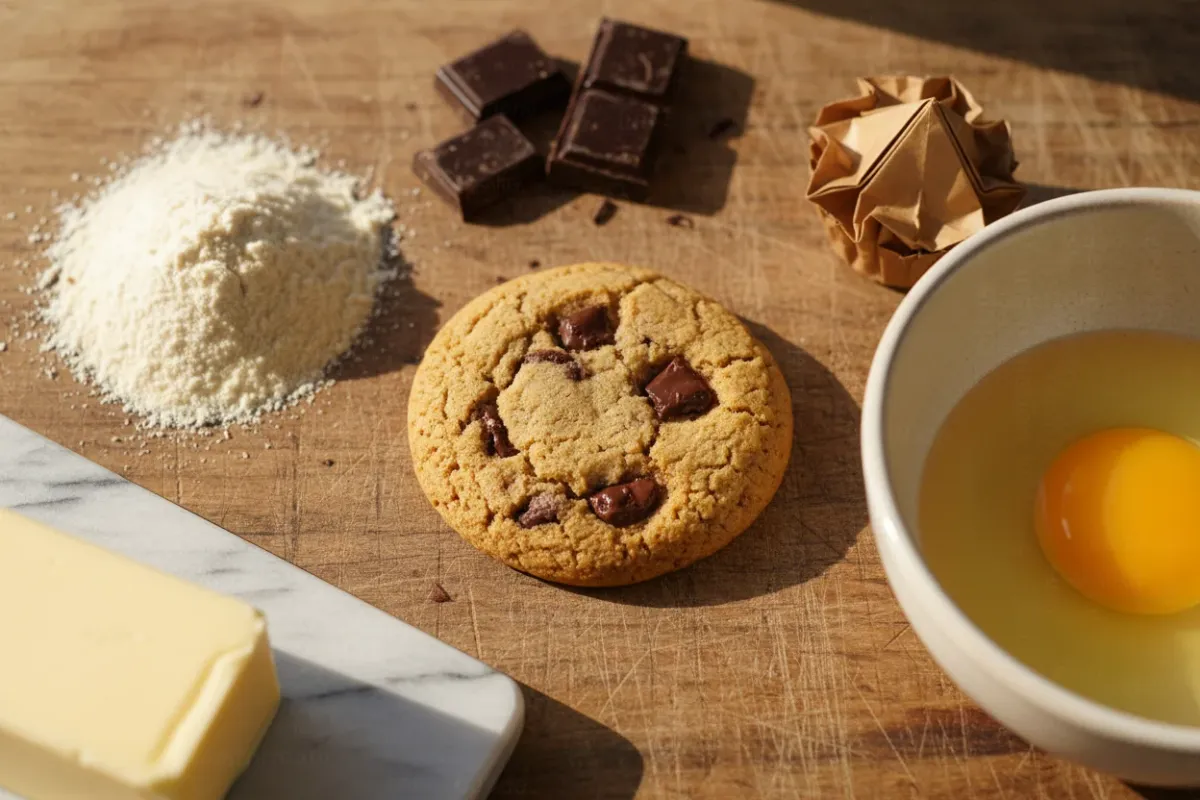
TITLE: Keto Chocolate Chip Cookies: My Build-Your-Own Recipe and the Secret to Perfect Texture DESCRIPTION: How to adapt a basic keto cookie recipe to your needs: personal experience, proven substitutions, and exact ratios for perfect texture. With full macros. CONTENT: Hey, friends! Today I want to share with you not just a recipe, but an entire building system. A system for building the perfect keto chocolate chip cookie. I know how it goes: you find a recipe online, pour your heart into it, and end up with either dry crumbs or a flat pancake. I've been there — I baked dozens of test batches before I cracked my own formula. And now I'm confident: a delicious keto cookie with the right texture isn't magic — it's knowing a few key principles. Let's figure out together how to turn a basic recipe into your personal masterpiece.
Why This Cookie Became Our Bestseller
When we first opened our bakery, we were looking for that one dessert that would be both safe for a keto diet and insanely delicious. Chocolate chip cookies turned out to be the perfect candidate. Here's why.
First, the macros are a dream. One of our cookies weighing 35 grams contains on average 145 kcal, 4 g of protein, 13 g of fat, and only 2.5 g of net carbs. Compare that to a regular one: a classic "American-style" cookie of the same 35 grams clocks in at 180–200 kcal and a whopping 20–25 g of carbs, mostly sugar. Our version lets you satisfy that evening sweet craving without going over the limits of even strict keto (20–50 g of carbs per day).
Second, it keeps you full. Almond flour and quality butter provide a lasting sense of satiety. Unlike a regular sugary dessert that leaves you hungry again an hour later, our cookie works as a proper snack. We've tested this with our customers: many take it to the gym or to work as a protein snack after a workout.
And third, it keeps your blood sugar stable. We sent our desserts to the "INVITRO" lab for glycemic index analysis. The result for cookies made with erythritol and almond flour — GI < 5. This means no sharp glucose spike followed by that drowsy feeling. For those who monitor their energy levels throughout the day, this is a deciding factor.
What Makes the Perfect Dough: Breaking Down the Ingredients
The base is like the foundation of a house. Build it crooked — and everything falls apart. In keto baking, every ingredient plays a specific role, and substituting one isn't simply "swapping the flour" — it's recalculating the entire chemistry of the process.
Flour: almond is queen, but not the only one in the kingdom. I started with regular almond flour from the supermarket and couldn't figure out for the longest time why my cookies came out greasy and crumbly. The secret turned out to be the grind and moisture content. For ideal structure, you need super-fine blanched almond flour. I experimented a lot and currently work with the brand "Shchedry Zemledelets" — they have consistently low moisture (no more than 6%), which is critical. For 1 cup (120 g) of this flour, I add 1 tbsp (8 g) of coconut flour. Coconut flour isn't a whim — it's a necessity: it absorbs excess moisture, binds the dough, and adds "puffiness." Remember this ratio: 1 tbsp of coconut flour absorbs liquid like an entire egg. Add too much, and you'll get a dry brick.
Sweetener: the biggest stumbling block. Erythritol is our go-to option. But not everyone likes the "cooling" sensation it leaves in the mouth. After a hundred trials, here's what I settled on:
- For the closest resemblance to sugar — allulose. It caramelizes, gives a soft crust, and has no aftertaste. But there's a catch: it's hygroscopic and can make the dough a bit stickier. The fix — reduce the liquid components by 1 tbsp or add a little more flour.
- For a budget-friendly and solid result — an erythritol-stevia granulated blend (such as "FitParad No. 10"). The stevia masks the cooling effect. I use 60 g of this blend per batch of 16 cookies.
- Personal hack: add 1 tsp of dried sea buckthorn powder or lemon zest to the dry mixture. The tartness brilliantly distracts from any possible chemical aftertaste and adds freshness.
Fats: butter vs. butter. One rule here: only softened butter with 82.5% fat content. Not melted and not cold from the fridge. Softened butter, creamed with the sweetener, traps air — and that's our only leavening agent in gluten-free dough. How to check? Your finger should easily press into the butter, leaving a clear dent, but not sink all the way through. If you forgot to take it out, grate the block on a coarse grater — it'll reach the right temperature in 10 minutes.
The secret ingredient for texture. Everyone's looking for a magic wand. Mine is 1 tablespoon of food-grade dry milk protein isolate (unflavored). It doesn't change the taste, but makes the crumb incredibly tender and chewy, and helps the cookie hold its shape without spreading. Tested on batches for our catering orders.
My Step-by-Step Process: From Bowl to Perfect Crust
Theory is great, but the magic happens in the kitchen. Here's my algorithm, fine-tuned down to the second.
- Cream the base. In a KitchenAid mixer bowl (paddle attachment), cream 100 g of softened butter with 60 g of sweetener on medium speed for exactly 3 minutes. The mixture should lighten and become creamy.
- Add the moisture. Beat in one large room-temperature egg and 1 tsp of vanilla extract. Mix for another 1 minute.
- Combine with the dry ingredients. In a separate bowl, whisk together 120 g of almond flour, 8 g of coconut flour, 10 g of protein isolate, ½ tsp of baking powder, and a pinch of salt. Turn off the mixer and fold the dry mixture into the butter base by hand with a spatula. Key point: as soon as the floury streaks disappear — STOP! Mixing for longer than 30 seconds activates the gluten in almond, and the cookies will turn out tough.
- Add the chocolate. Fold in 70 g of sugar-free chocolate chips (I use ChocZero or make my own from cocoa butter and allulose). The dough will be soft and sticky — that's exactly how it should be.
- Mandatory rest. Cover the bowl with plastic wrap and refrigerate for at least 2 hours, ideally overnight. During this time, the coconut flour will fully hydrate, bind the moisture, and the dough will be easy to work with.
- Shaping and baking. Preheat the oven to 170°C (top and bottom heat, no convection!). Roll the chilled dough into 30 g balls (I get 16 pieces). Place them on parchment and gently flatten with your palm. Bake for 11–12 minutes. The secret: the cookies are done when the edges are golden but the center still looks soft and underbaked.
- The dramatic finale. Take the baking sheet out and… slam it hard against the countertop! Yes, one good whack. This causes the cookies to slightly collapse, creating those signature crinkles and a dense, moist texture inside. Leave the cookies on the baking sheet for 20 minutes — they'll firm up as they cool.
Control the Texture: Your Playbook
You can play around with this base dough:
- Want them soft and "gooey" inside? Bake for 10 minutes and add 1 tbsp of heavy cream (33% fat) to the dough.
- Want them crunchy all the way through? Flatten the balls into thinner discs (3–4 mm), bake for 13–14 minutes, and let them cool completely on a wire rack.
- Need a vegan version? Replace the butter with 80 g of cold coconut oil, and the egg with a "flax egg" (1 tbsp ground flaxseed + 3 tbsp water, let it sit for 10 min). The texture will be more crumbly.
Macros and How to Calculate Them for Your Modifications
Our base batch (16 cookies) has roughly the following breakdown per cookie:
- Calories: 145 kcal
- Protein: 4 g
- Fat: 13 g
- Total carbs: 6 g
- Fiber: 3.5 g
- Net carbs: 2.5 g
If you change anything, use a macro-tracking app like FatSecret. Weigh each ingredient in grams, enter it into a recipe in the app, specify the number of servings — and it will calculate everything for you. No more guessing.
Try It Yourself and Become the Author of Your Own Cookie
I've given you the map, but the treasure is your unique taste. Start with my base recipe. Bake it as is. Then allow yourself one substitution in the next batch. Just one! Want to add a pinch of cardamom? Go for it. Replace some of the chocolate with dried cranberries (soaked beforehand so they're not tough)? Great. Take a photo of your best batch and tag us on social media with the hashtag #myketocookie. We'll feature the most inspiring experiments in our stories and give you a discount on our protein bar set!
Frequently Asked Questions
Why did my cookies spread too much and turn out flat? Most likely, the butter was too warm or melted, or the dough wasn't chilled before baking. Cold dough is the key to preventing the fat from melting too soon. Also check your baking powder — it should be fresh.
Can I freeze the dough to bake fresh cookies in the morning? Not just can — you should! Shape the balls, spread them on a board, freeze until solid (2–3 hours), then transfer to a bag. In the morning, take out as many as you need and bake, adding 1–2 minutes to the time. Frozen dough keeps for up to 2 months.
What can I use instead of almond flour if I'm allergic to it? A great alternative is sunflower seed flour. Grind hulled sunflower seeds in a powerful blender (like a Vitamix) to a flour-like consistency, but don't overdo it or you'll end up with a paste. Use it in the same 1:1 ratio, but be prepared for a greenish color (that's a normal reaction) and a more pronounced, nutty flavor.
This article is for informational purposes only and is not medical advice. Consult a doctor or dietitian before making dietary changes.