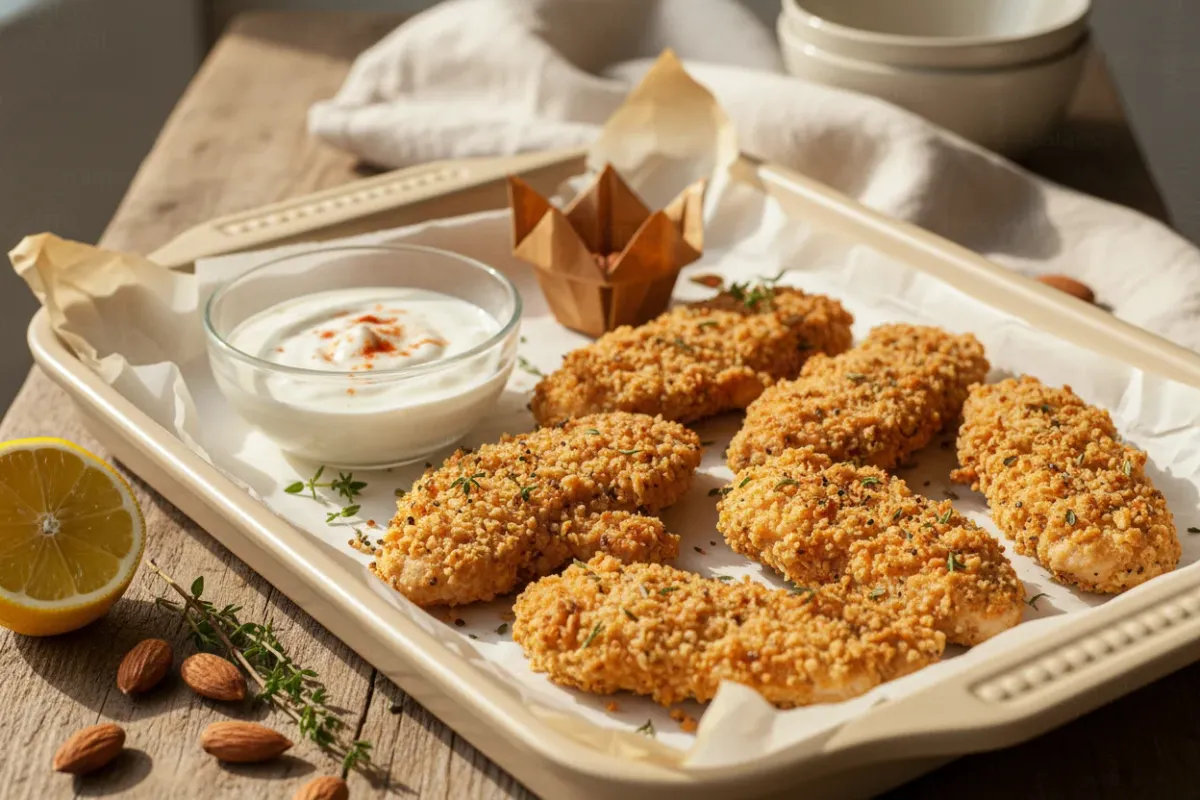
How to Love Tofu: A Cooking Guide for Those Who've Never Been Friends with It
Discover how to master tofu cooking with simple techniques that transform it from bland to delicious. Learn why this versatile protein belongs in your kitchen.
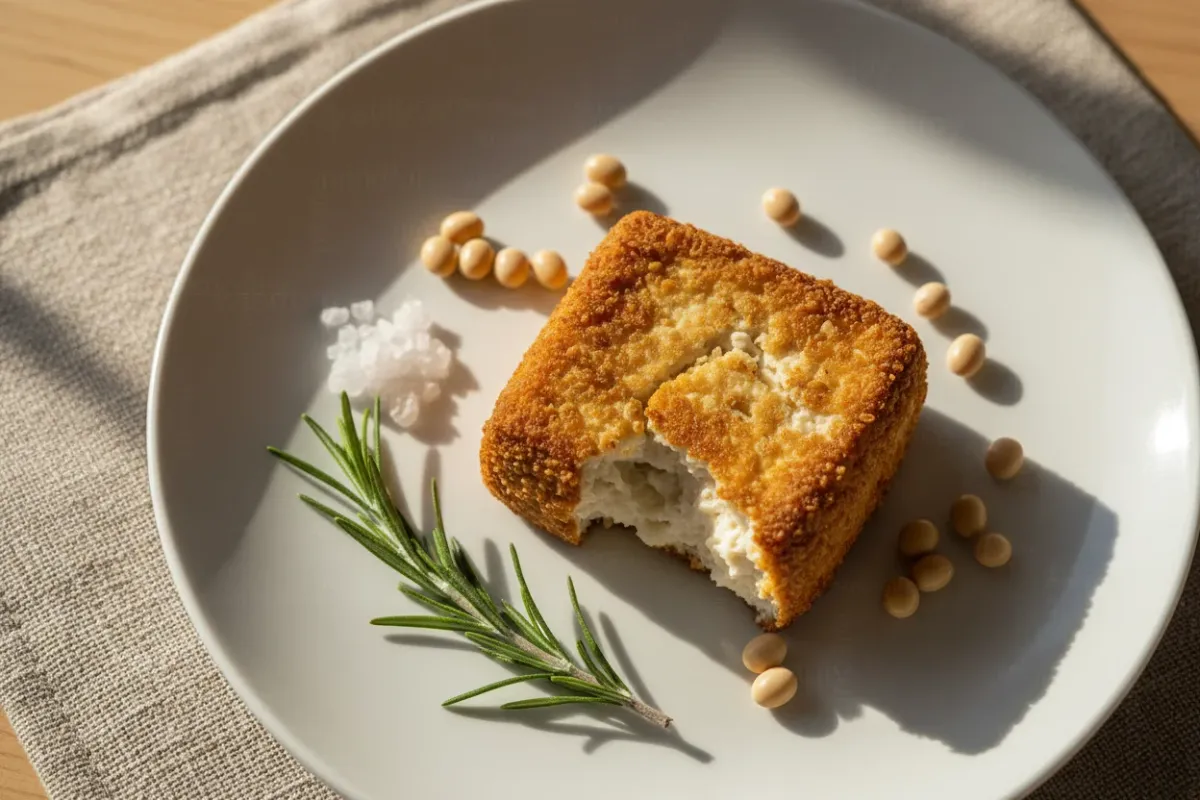
Tofu Is Not a Flavorless Brick. It's a Blank Canvas
Tofu gets more unfair criticism than any other product in the world of healthy eating. "Rubbery," "tasteless," "confusing" — sound familiar? But here's the thing: tofu isn't to blame. The cooking technique is.
Tofu is made from white soybeans: they are ground, soaked, heated, and then curdled — much like cheese. The resulting curds are pressed into blocks of varying density, and it's the density that determines what tofu will taste and feel like.
And here's the key point: tofu has virtually no flavor of its own. And that's not a drawback — it's a superpower. As the authors of Sweet Potato Soul note, tofu absorbs the flavor of whatever spices, sauces, and marinades it's cooked with. You can fry it, bake it, stew it, crumble it, marinate it, smoke it, and even whip it into a cream.
Why Tofu Deserves a Place in Your Kitchen
- Protein. Half a cup (about 125 g) of tofu contains up to 21 g of plant-based protein. For comparison — that's nearly as much as in 100 g of chicken breast.
- Affordability. In most large stores, a block of tofu costs between 100 and 250 rubles — cheaper than many meat products and especially processed plant-based alternatives.
- Zero cholesterol and low sodium content — tofu is suitable for those watching their heart health.
Approximate nutrition per 100 g of firm tofu: 145 kcal | P: 17 g | F: 9 g | C: 2 g.
Which Tofu to Choose: Understanding the Types
Before cooking, you need to understand what's actually sitting on the store shelf. Types of tofu are not a marketing gimmick but a real difference in texture and cooking methods.
Silken Tofu
Delicate, almost like pudding. Falls apart when you try to cut it into cubes. Ideal for smoothies, creamy sauces, desserts, and miso soup. For frying and baking — absolutely not suitable.
Soft and Medium Tofu
Something in between silken and firm. As Zestful Kitchen points out, medium tofu can be used in stir-fries and soups, but it easily falls apart with active stirring.
Firm Tofu
The universal soldier. Holds its shape, absorbs marinades well, works for frying, baking, and stewing. For those trying tofu for the first time — the best choice to start with.
Extra-Firm Tofu
The densest and chewiest. Contains the least moisture, requires almost no pressing. After frying, its texture resembles chicken — which is exactly why it's so popular with those transitioning to a plant-based diet. As the authors of Oh My Veggies note, extra-firm tofu is the best option for a crispy crust.
Rule for beginners: start with firm or extra-firm. As emphasized on WorkWeekLunch, these types are easier to handle, don't fall apart, and are forgiving of mistakes.
Three Techniques Without Which Tofu Won't Turn Out Tasty
Technique 1: Pressing — Getting Rid of Excess Water
This is the step that 90% of disappointed beginners skip. Firm tofu is sold in water, and there's plenty of moisture inside the block as well. If you don't press it out — the tofu will steam in its own juices instead of frying up crispy.
How to press tofu without a special press:
- Remove the tofu from the package and drain all the liquid.
- Wrap the block in a clean kitchen towel or several layers of paper towels.
- Place it on a cutting board, put a flat plate on top, and something heavy on the plate (a can of food, a thick book, a skillet).
- Leave it for 15–30 minutes. During this time, about a quarter cup of water will come out of a half-pound block — and this is critically important for the result.
The authors of Love and Lemons recommend using a cast-iron skillet for pressing — its weight is usually sufficient.
Important note: extra-firm tofu is often sold in vacuum packaging with almost no liquid — it doesn't need pressing. And silken tofu should never be pressed at all, otherwise it will lose its delicate texture.
Technique 2: Marinating — Loading Up the Flavor
Tofu is a sponge for flavor. But you need to give it time to absorb the marinade. The authors of Oh My Veggies recommend marinating for at least 30 minutes, and ideally — 4 hours or even overnight in the refrigerator.
Basic marinades to start with:
- Asian: soy sauce (tamari) + sesame oil + garlic + ginger + a bit of honey or maple syrup
- BBQ: your favorite barbecue sauce + smoked paprika + garlic
- Spicy: sriracha + soy sauce + lime juice + a pinch of sugar
- Mediterranean: olive oil + lemon juice + oregano + garlic
It's best to marinate in a flat, covered dish — this way the marinade evenly coats all the pieces. Pressing before marinating is essential: dry tofu will absorb significantly more flavor.
Technique 3: Starch Coating — The Secret to a Crispy Crust
This is the very "trick" that transforms tofu from boring to irresistible. After pressing and marinating, you need to toss the cubes in cornstarch (or tapioca starch / arrowroot). As described on Oh My Veggies, you can simply pour the starch into a zip-lock bag, add the tofu cubes, and shake — quick and even.
When fried, the starch forms a thin, crispy crust while the inside of the tofu stays tender and juicy. For one block of tofu (400 g), you'll need 3–5 tablespoons of starch.
Four Cooking Methods: From Skillet to Air Fryer
Method 1: On the Skillet (Pan-Fry)
The fastest and, arguably, the tastiest method. In the opinion of Rainbow Plant Life, this is the optimal balance between a crispy crust and minimal effort.
Step by step:
- Cut the pressed tofu into 2×2 cm cubes.
- Toss in starch with salt and pepper.
- Heat a skillet (preferably non-stick) over medium-high heat.
- Add 1.5 tablespoons of oil — sesame for Asian dishes or olive for neutral ones.
- Lay the tofu in a single layer (don't overcrowd the pan — better to do it in two batches).
- Fry for 4–5 minutes without touching, until a golden crust forms on the bottom.
- Flip with a wide spatula. The second side cooks faster — 2–3 minutes.
- Transfer to a rack so excess oil drains off and the tofu stays crispy.
The authors of Zestful Kitchen recommend using sesame oil for frying — it adds a nutty aroma that pairs perfectly with tofu.
Nutrition per serving (200 g tofu, pan-fried with 1 tbsp oil and starch): ~250 kcal | P: 17 g | F: 15 g | C: 12 g.
Method 2: In the Oven
The ideal option for those who don't want to stand at the stove. While the tofu bakes, you can prepare a side dish and sauce.
Following the recipe from Love and Lemons:
- Preheat the oven to 220°C.
- Line a baking sheet with parchment paper.
- Toss the cubed tofu with half a tablespoon of olive oil, 2 tablespoons of tamari, and half a teaspoon of sriracha.
- For a crispy crust — add a tablespoon of starch and gently mix.
- Spread in a single layer on the baking sheet.
- Bake for 20–25 minutes until the edges are golden.
Nutrition per serving (half a block, ~200 g): ~200 kcal | P: 18 g | F: 10 g | C: 8 g.
Method 3: In an Air Fryer
Minimal oil — maximum crunch. As described on It Doesn't Taste Like Chicken, for the air fryer you only need 7 ingredients and 5 minutes of prep. The tofu turns out crispy on the outside and tender on the inside.
Basic principle: pressed tofu + minimal oil + spices → air fryer at 190°C, 12–15 minutes, flip halfway through.
Method 4: Scramble (Crumbled)
Tofu scramble is a plant-based alternative to scrambled eggs, and for many beginners, this is where the love for tofu begins. No neat cutting is needed here: the block is simply crumbled by hand right into the skillet.
As Rainbow Plant Life describes: break extra-firm tofu into 6–8 large pieces, gently squeeze each one by hand over the sink, then crumble into small pieces. Add turmeric (for color), black salt kala namak (for an eggy flavor), paprika, and fry with vegetables.
Nutrition for tofu scramble (200 g tofu + vegetables + 1 tsp oil): ~180 kcal | P: 18 g | F: 9 g | C: 5 g.
Five Recipes for Beginners: From Simple to Bold
1. Crispy Tofu in Peanut Sauce
Inspired by a recipe from It Doesn't Taste Like Chicken: tofu is baked to a golden crust, then coated in a sticky, sweet-and-salty peanut sauce. Even those who "hate tofu" usually fall in love at first bite.
Sauce: 2 tbsp peanut butter + 1 tbsp soy sauce + 1 tbsp maple syrup + juice of half a lime + a pinch of chili flakes.
2. Tofu Stir-Fry with Vegetables
A classic that never fails. As noted on WorkWeekLunch, a simple stir-fry is one of the best recipes for beginners because the tofu instantly absorbs the sauce flavor, and the whole cooking process takes 15–20 minutes.
Tofu cubes + whatever vegetables you have in the fridge + soy sauce + garlic + ginger → into a hot wok.
3. Sticky Teriyaki Tofu
A recipe from It Doesn't Taste Like Chicken: 10 minutes to cook, and you get tofu with a rich, caramelized flavor. The recipe authors claim the secret lies in a technique that makes the tofu's texture resemble chicken.
Serve with rice and steamed broccoli.
4. Tofu in Spicy Black Pepper
Crispy tofu + caramelized shallots + sticky pepper glaze. As described on It Doesn't Taste Like Chicken, this dish is ready in 30 minutes and is perfect for a quick weeknight dinner — vibrant, spicy, and with just the right level of heat.
5. Vegan Butter Chicken with Tofu
For those ready to experiment: a recipe from Sweet Potato Soul suggests replacing chicken with tofu in the classic Indian dish. A spicy tomato-cream sauce, aromatic spices — tofu reveals itself in an entirely new way in this company.
Serve with basmati rice and naan bread.
Tofu and Meal Prep: Protein for the Whole Week
Tofu is a godsend for those who prepare meals in advance. As noted on WorkWeekLunch, tofu stores beautifully when cooked and remains tasty when reheated.
Meal prep idea:
- On Sunday: press and bake 2–3 blocks of tofu with different marinades.
- Throughout the week: add the prepared tofu to salads, bowls, pasta, wraps, tacos.
Baked tofu bites — a recipe from It Doesn't Taste Like Chicken — are a universal staple: these pieces can go anywhere — in sandwiches, on nachos, in tacos, in pasta, in salads.
Store cooked tofu in the refrigerator in a sealed container — for up to 4–5 days.
Common Beginner Mistakes
The authors of This Savory Vegan note that people regularly come to them asking to "help me love tofu" — and most often the problem lies in the same mistakes:
- Not pressing the tofu. Excess moisture prevents a crust from forming and dilutes the marinade.
- Cooking without a marinade or spices. Tofu without seasoning is like pasta without sauce: technically edible, but why?
- Choosing the wrong type. Silken tofu in a stir-fry turns to mush. Extra-firm in a smoothie will be lumpy.
- Overcrowding the pan. If cubes are stacked on top of each other — they steam instead of fry. Better to fry in two batches.
- Stirring too often. For a crust to form, tofu needs to be left alone for 4–5 minutes. Patience is the key to crispiness.
As emphasized on Uwajimaya, tofu is a very "forgiving" ingredient. Even if you don't have the right type or preferred cooking method, the result will almost always be delicious if you follow the basic principles: squeeze out the water, add flavor, and let the crust form.
Frequently Asked Questions
How do you properly press tofu so it absorbs marinade better?
Wrap the block of tofu in a clean towel, place a heavy object on top (a skillet, a can), and leave it for 15–30 minutes. The more moisture that comes out — the better the tofu will absorb the marinade and the crispier it will turn out when fried. Extra-firm tofu from vacuum packaging often doesn't require pressing.
What's the difference between types of tofu, and which one should you choose for different dishes?
Silken tofu is soft and works for smoothies, sauces, and soups. Firm and extra-firm hold their shape and are ideal for frying, baking, and stir-frying. Beginners are better off starting with firm or extra-firm — they're easier to handle and don't fall apart.
How do you achieve a crispy golden crust when frying tofu?
Three mandatory steps: pressing (to remove moisture), coating in cornstarch (3–5 tbsp per block), and frying over medium-high heat without stirring for the first 4–5 minutes. Don't overcrowd the pan — the cubes should be in a single layer.
Do you need to marinate tofu in advance, and for how long?
Marinating is worth at least 30 minutes, but for maximum flavor — 4 hours or even overnight in the refrigerator. It's best to marinate in a flat, covered dish so the marinade evenly coats all the pieces. Pressing the tofu is essential before marinating, not after.
This article is for informational purposes only and is not medical advice. Consult a doctor or dietitian before making dietary changes.