Food Supply in a Small Kitchen: What to Store, How to Organize, and Cook Quickly
Master small kitchen storage: organize shelf-stable foods strategically to cook quick, delicious meals anytime without stress or clutter.
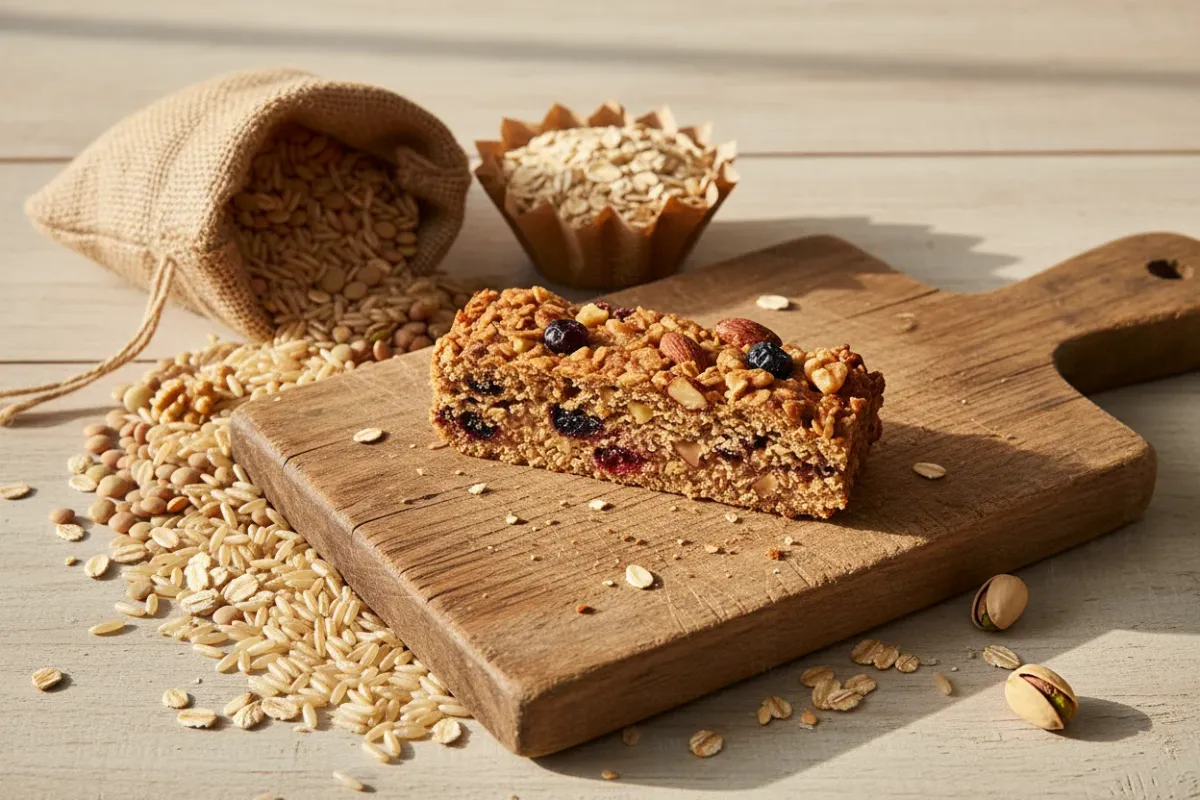
Why You Need a Food Supply and Why It's Easier Than You Think
Having a small strategic food supply at home isn't about bunkers and the end of the world. It's about those evenings when you have no energy to cook, about unexpected guests, and about those days when the fridge is suspiciously empty and the store is far away. Shelf-stable products don't require refrigeration, take up little space, and turn into a full meal in just minutes.
The key is knowing exactly what to keep on hand and how to organize it, even if your kitchen is the size of a closet.
The Basic Set: What to Store
The ideal supply is built on the constructor principle — from several product categories, you can put together dozens of different dishes.
Grains and Pasta
- Rice (white, brown) — a base for porridges, side dishes, and puddings. White rice keeps practically indefinitely in a dry place.
- Buckwheat — a classic that cooks in 15 minutes and contains about 13 g of protein per 100 g of dry grain.
- Oatmeal — instant porridge, a base for granola and protein bars.
- Durum wheat pasta — a quick side dish with a long shelf life.
- Lentils and split peas — unlike regular legumes, they don't require soaking and cook in 20–30 minutes. As experienced cooks note on The Survival Mom, lentils and split peas are among the most underrated storage products: they're economical, tasty, and cook significantly faster than regular beans.
Canned Goods
According to the University of Georgia (UGA), commercial canned goods are one of the best options for a food supply. They're already cooked and can be eaten straight from the can or after light reheating. Shelf life is two years or more when stored in a dry, cool place.
What's worth having:
- Tuna, saury, pink salmon — a source of protein and omega-3.
- Beans in their own juice — a ready-made base for soups, salads, and burritos.
- Chickpeas — for quick hummus or adding to curry.
- Tomatoes in their own juice / tomato paste — the base for sauces and stewed dishes.
- Corn, green peas — for salads and side dishes.
Dry and Powdered Products
- Powdered milk and egg powder — indispensable for baking. As mentioned on Food Storage Made Easy, powdered eggs and milk allow you to adapt virtually any baking recipe to a shelf-stable format.
- Protein powder — a quick snack: mix with water or add to oatmeal.
- Nut butters (peanut, almond) — a concentrated source of energy and healthy fats.
- Honey — a natural sweetener with a practically unlimited shelf life.
Spices and Flavor Enhancers
Compact, lightweight, they last for years — and they're exactly what turns a boring grain into a dish with character:
- Dried garlic and onion
- Turmeric, paprika, curry
- Soy sauce, balsamic vinegar
- Dried herbs (basil, oregano, thyme)
Nutritional Values of Basic Shelf-Stable Products
For those who track their nutrition, here are approximate values per 100 g of dry product:
| Product | Calories | Protein | Fat | Carbs |
|---|---|---|---|---|
| White rice | 330 kcal | 7 g | 1 g | 74 g |
| Buckwheat | 310 kcal | 13 g | 3 g | 62 g |
| Oatmeal | 352 kcal | 12 g | 6 g | 60 g |
| Red lentils | 318 kcal | 24 g | 1 g | 54 g |
| Chickpeas (dry) | 364 kcal | 19 g | 6 g | 61 g |
| Canned tuna | 96 kcal | 21 g | 1 g | 0 g |
| Peanut butter | 588 kcal | 25 g | 50 g | 20 g |
Lentils and chickpeas are true record holders for protein among plant-based products. And tuna is almost pure protein with minimal calories.
How to Fit It All in a Small Kitchen
A small kitchen is not a death sentence. Here are a few tricks that actually work:
Use Vertical Space
According to recommendations from A Modern Homestead, it's worth reconsidering the spacing between shelves in your cabinets. The standard 30–45 cm between shelves is designed for cereal boxes, but for cans and bags of grains, that's wasteful. By reducing the spacing, you can add an extra tier and increase cabinet capacity by one and a half times.
Clear Containers — A Must
As advised on Workweek Lunch, transferring dry products into clear airtight containers solves three problems at once: it protects against insects, lets you see the contents without opening, and makes storage more compact. Regular glass jars, containers from used products, or inexpensive plastic containers with screw-on lids will do.
Put Narrow Spaces to Work
The gap between the fridge and the wall, the space under wall-mounted cabinets, the inside of a cabinet door — all of this is potential storage. A narrow rolling cart easily slides into a gap as little as 15 cm wide and holds spices, canned goods, and bags of grains.
Stack Instead of Line Up
Containers and jars that can be stacked save significantly more space than those arranged in a row. Square and rectangular containers use shelf area more efficiently than round ones.
Quick Recipes from Shelf-Stable Products
Here are specific ideas for when you need to eat in 15–20 minutes and all you have at home is your "dry" supply.
Lentil Soup in 20 Minutes
Nutritional values per serving (≈350 g): 280 kcal / 18 g P / 3 g F / 46 g C
Red lentils (100 g) + a can of tomatoes in their own juice + dried garlic + turmeric + a pinch of cumin. Cover with water, cook for 15–18 minutes. Done. You can blend it right in the pot.
Tuna with Rice and Corn
Nutritional values per serving (≈400 g): 380 kcal / 28 g P / 3 g F / 62 g C
Cook rice (80 g dry). Mix with a can of tuna and a can of corn. Season with soy sauce and a splash of balsamic vinegar. Filling, simple, high in protein.
Oatmeal with Protein and Peanut Butter
Nutritional values per serving: 420 kcal / 30 g P / 14 g F / 48 g C
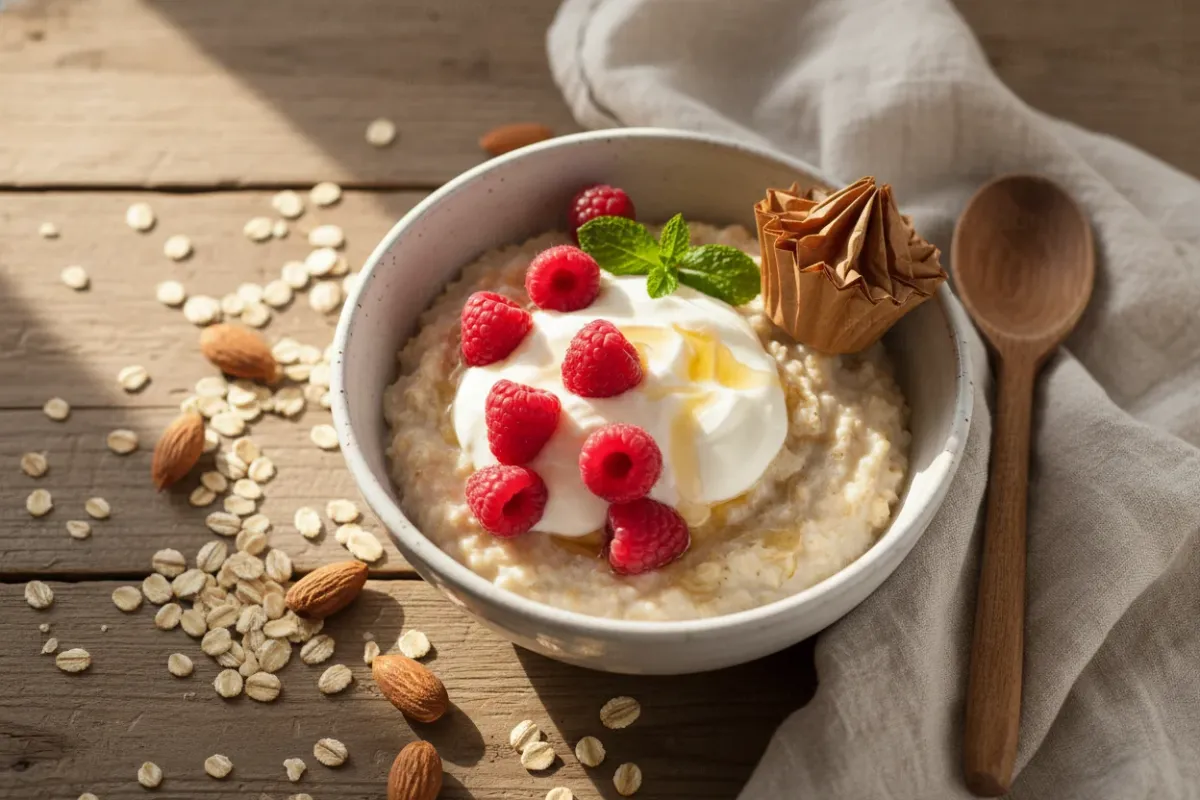
Oatmeal (50 g) + boiling water + a scoop of protein powder + a tablespoon of peanut butter + honey to taste. The perfect breakfast or post-workout snack, ready in 3 minutes.
Quick Hummus
Nutritional values per 100 g: 170 kcal / 8 g P / 9 g F / 16 g C
A can of chickpeas (drain the liquid but keep a couple of spoonfuls) + a spoonful of olive oil + lemon juice (or citric acid) + dried garlic + salt. Blend until creamy. Eat with crackers, flatbread, or vegetables.
Homemade Granola
Nutritional values per 50 g: 220 kcal / 6 g P / 9 g F / 30 g C
Rolled oats + honey + whatever nuts and seeds you have. Mix, spread on parchment paper, and dry in the oven at 160°C for about 20 minutes. Keeps in a jar for weeks. This isn't a one-time recipe — it's a supply of snacks for the whole week.
The "Meal in a Jar" Concept
The website Food Storage Made Easy features an entire collection of "Meal-in-a-Jar" recipes — where all dry ingredients for one dish are pre-mixed and stored in a glass jar. Among them:
- Chili con carne
- Chicken noodle soup
- Beef stroganoff
- Vegetable stew
- Chicken with broccoli and rice
The principle is simple: layer the dry ingredients in a jar, label it with the recipe (how much water, how long to cook), and when the time comes, just pour the contents into a pot. For a small kitchen, this is the ideal format — the jars sit compactly on a shelf, and each one is a ready-made dinner.
How Much Supply Is Enough
You don't need to fill your entire kitchen with bags of rice. For one person, a comfortable minimum is:
- 2–3 types of grains at 500 g – 1 kg each
- 5–7 cans (fish, legumes, tomatoes)
- Pasta — 1 package
- Spices — 5–7 basic ones
- Nut butter, honey, protein powder — one package of each
All of this easily fits on a single shelf of a standard kitchen cabinet or in an organizer basket. It's enough for 7–10 full meals without a trip to the store.
Try Starting Small
You don't need to overhaul your entire kitchen in one day. You can start with three steps:
- Do an inventory — look at what's already in your cabinets. You'll often find forgotten grains and canned goods there.
- Pick up 3–5 items from the list above — lentils, a can of chickpeas, tuna, oatmeal, spices.
- Cook one dish from your supply — to see for yourself that it really is quick, tasty, and easy.
Healthy eating isn't always fresh farm products and three hours at the stove. Sometimes it's a can of chickpeas, a spoonful of nut butter, and five minutes — and you've got a complete snack on the table with a good balance of protein and carbs.
This article is for informational purposes only and is not medical advice. Consult a doctor or dietitian before making dietary changes.