Can You Really Quit Fast Food — Or Is It Self-Deception?
Stop the self-deception: you CAN quit fast food. Learn the science of dopamine and the concrete steps that actually break the habit.
Short Answer: Yes, You Can. But Not Through Willpower Alone
Let's start with the main point — this habit isn't about weakness of character. When your hand automatically reaches for your phone to order a burger, even though there's chicken breast in the fridge — that's not laziness. It's the work of very specific biochemical mechanisms that the fast food industry exploits consciously and skillfully.
The good news: since it's a mechanism, it can be taken apart and reconfigured. Not in one day, not on sheer motivation alone — but through clear, concrete steps.
Why Fast Food Has Such a Strong Grip
It's Not About Taste — It's About Chemistry
As the American Psychological Association notes, ultra-processed foods can trigger the same mechanisms in the brain as addictive substances. The combination of sugar, fat, and salt in fast food stimulates the release of dopamine — the pleasure neurotransmitter. The brain remembers: "That was good, I want more."
Over time, you need more for the same level of pleasure — portions grow, orders become more frequent. Sound familiar?
Convenience — The Second Hook
According to MedicineNet, factors contributing to fast food addiction include not only taste and ingredients, but also attractive packaging, accessibility, and speed of delivery. When you need to eat within 10 minutes after a hard day, the brain chooses the path of least resistance. Cooking for 40 minutes or tapping three buttons in an app — for a tired person, that's not an equal choice.
Emotional Attachment
Fast food often becomes a way to cope with stress, boredom, or loneliness. As specialists at AFA Education point out, fast food addiction forms at the intersection of physiological and psychological patterns. Food begins to serve not as fuel, but as comfort.
Signs That It's Already a Habit, Not Just "Once in a While"
Not every trip for a shawarma is an addiction. But it's worth reflecting if:
- You planned not to eat fast food but ordered it anyway — and this happens again and again
- You eat not from hunger but from stress or boredom — fast food as an emotional "crutch"
- You feel guilty afterward but repeat it the next day — a classic addiction cycle
- Home-cooked food seems "bland" — your taste receptors have gotten used to flavor enhancers
- You spend a noticeable portion of your budget on fast food — and you're surprised by the number at the end of the month
If you found three or more points that apply — this is an established habit, and simply "pulling yourself together" won't work. You need a strategy.
Step-by-Step Plan: 4 Weeks to Freedom from Fast Food
Quitting cold turkey is an almost guaranteed relapse. The brain doesn't tolerate sudden deprivation. The approach from Reach Wellth suggests a gradual 4-week plan, and it works significantly better than a "starting Monday, everything changes" resolution.
Week 1: Observation Without Judgment
Don't try to change anything. Just track:
- How many times per week you ate fast food
- At what time and in what state (fatigue, stress, rush, boredom)
- What exactly you ordered
- How much you spent
This isn't a food diary for weight loss — it's a trigger map. After a week, you'll see: the problem isn't fast food per se, but specific situations that lead to it.
Week 2: Replacement, Not Elimination
This is where things get most interesting from a healthy eating perspective. The goal is not to remove fast food, but to offer the brain an alternative that meets the same need.
Trigger — being in a rush? Prepare meal prep for the week. Containers with ready-made food that just needs reheating — that's the same 5 minutes as delivery, but without the extra calories.
Example of a quick meal-prep lunch:
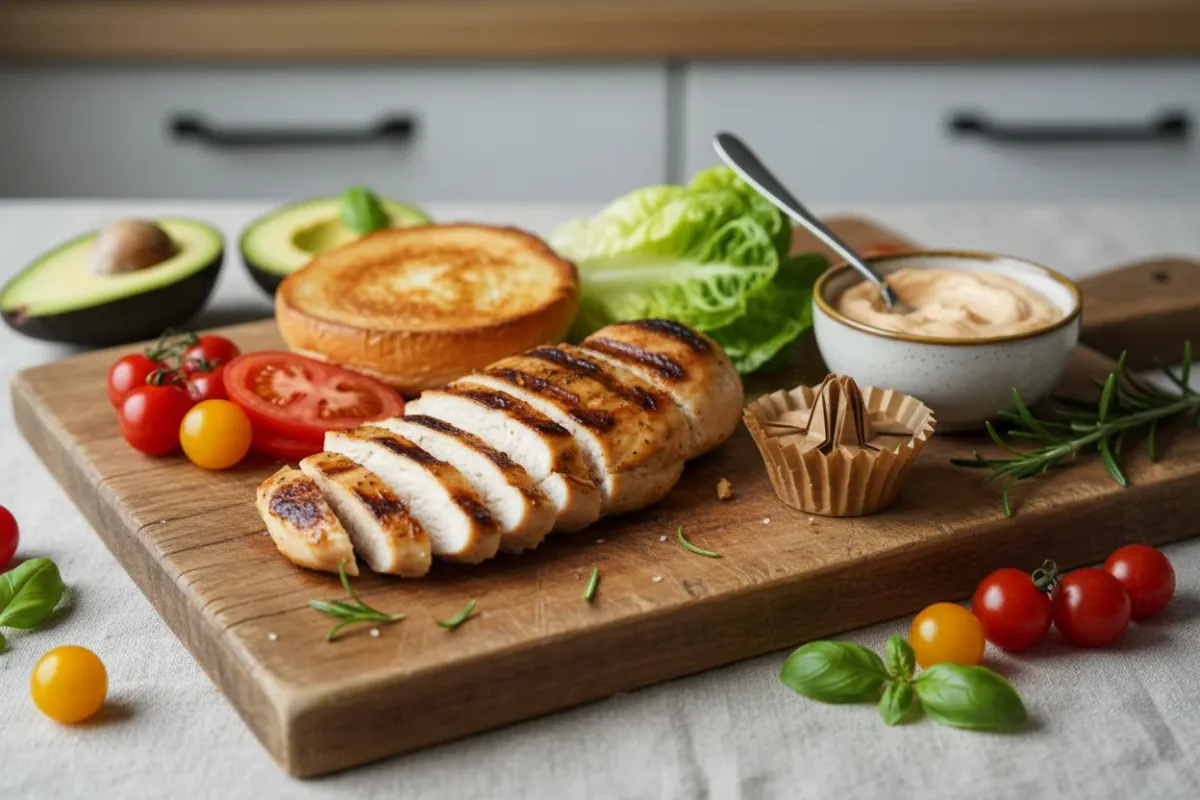
- Grilled chicken breast + bulgur + roasted vegetables
- Calories & macros per serving (350 g): ~420 kcal, P: 38 g, F: 10 g, C: 45 g
For comparison — a standard burger with fries:
- ~850–1100 kcal, P: 25 g, F: 45 g, C: 95 g
The difference is twofold in calories and nearly fivefold in fat. At the same time, the feeling of fullness from a home-cooked lunch lasts significantly longer.
Trigger — taste? This is where culinary creativity comes in handy. Fast food hooks you with the combination of salty, sweet, and fatty. Recreate it in a healthy version:
- Instead of a burger — a turkey patty on a whole-grain bun with lettuce leaves and a homemade sauce of Greek yogurt with mustard
- Instead of fries — sweet potato cut into wedges and baked with paprika and a drizzle of olive oil
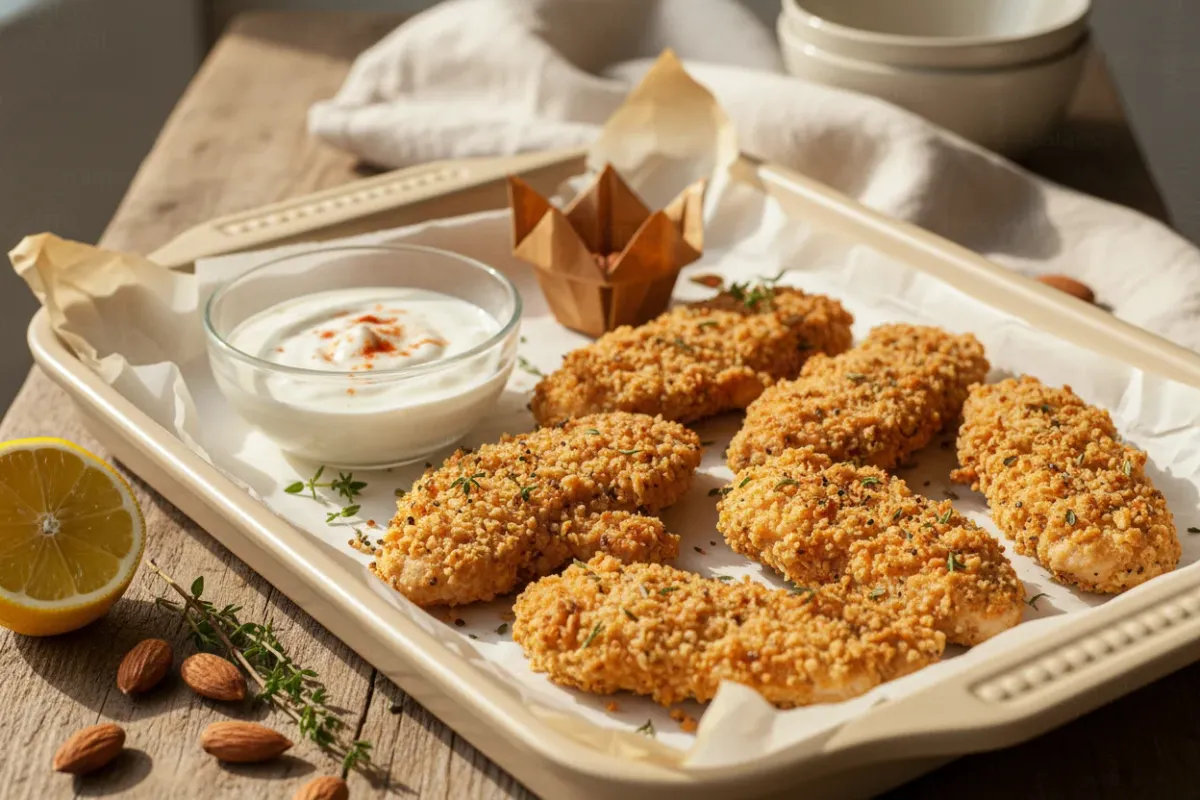
- Instead of nuggets — chicken fillet in an oat flake breading, baked in the oven
Trigger — emotions? This is harder but critically important. Make a list of 3–5 actions that provide comfort without food: a walk, a call to a friend, a hot bath, an episode of your favorite show. The point isn't to never eat from stress — it's to make sure food stops being the only way to cope with it.
Week 3: Reducing Frequency
If during the first week there were 5–7 fast food visits, the goal for week three is to get down to 2–3. Not zero. The goal is realistic and achievable.
Practical tips:
- Delete delivery apps from your home screen — wikiHow rightly notes that removing temptation is more effective than willpower. An extra step between impulse and action gives you time to reconsider
- Don't walk past fast food places hungry — it's basic, but it works. Having a snack with you (a protein bar, nuts, an apple) saves you from impulsive decisions
- If you did order — don't beat yourself up — guilt intensifies emotional overeating and triggers the cycle of "guilt → stress → fast food"
Week 4: Cementing the New Normal
By this point, new patterns are starting to feel familiar. The focus of week four is on reinforcement:
- Assess how your well-being, sleep, and energy have changed
- Calculate the money you've saved (it's often a significant amount)
- Determine your "acceptable minimum" — maybe fast food once a week is fine for you, and that's okay
Meal Prep: The Main Weapon Against Fast Food
Meal prep isn't hours in the kitchen every evening. It's 2–3 hours once a week that eliminate the daily question of "what should I eat?"
Basic Starter Kit
Protein (cook for 3–4 days):
- Chicken breast or skinless thigh — bake with minimal seasoning
- Ground turkey — sauté with onion and tomatoes
- Eggs — hard-boil 10 at once
Complex carbohydrates:
- Rice, bulgur, or buckwheat — cook a large pot
- Sweet potato — bake whole
Vegetables:
- Chop and portion into containers: cucumbers, tomatoes, bell peppers, carrots
- Roast a batch: broccoli, cauliflower, zucchini
Sauces (keep for a week):
- Herbed yogurt: Greek yogurt + dill + garlic + lemon juice
- Tomato: tomatoes + basil + olive oil
From these components, a complete lunch can be assembled in 5 minutes. And if you add your favorite spices to the container — it will taste no worse than your usual order.
Sample Day of Healthy Fast Food Alternatives
| Meal | Dish | Calories & Macros |
|---|---|---|
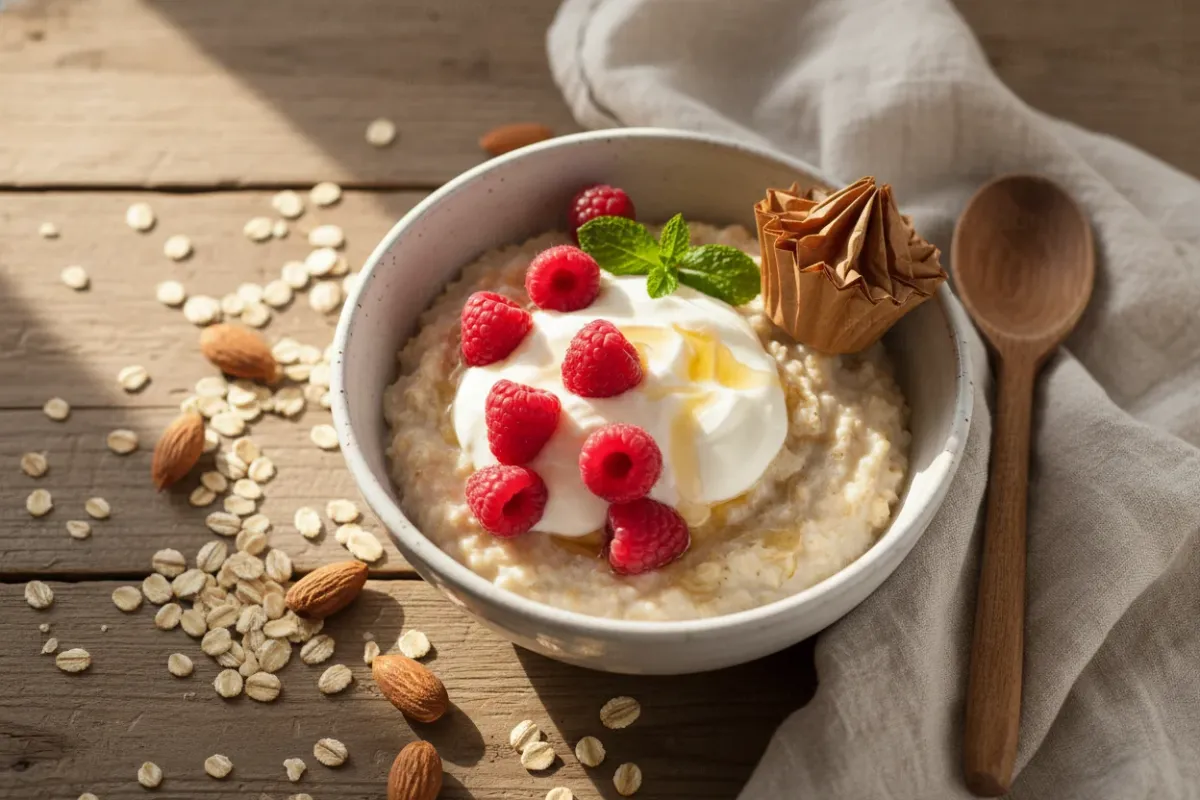
| Breakfast | Oatmeal with banana and peanut butter (250 g) | 380 kcal, P: 14 g, F: 12 g, C: 52 g |
| Snack | Protein muffin + apple | 220 kcal, P: 18 g, F: 6 g, C: 25 g |
| Lunch | Bowl: rice + chicken + vegetables + yogurt sauce (400 g) | 450 kcal, P: 35 g, F: 12 g, C: 50 g |
| Snack | Handful of almonds (30 g) + carrot sticks | 190 kcal, P: 6 g, F: 15 g, C: 10 g |
| Dinner | Turkey patty + salad + whole-grain bread | 420 kcal, P: 32 g, F: 14 g, C: 40 g |
| Total | ~1660 kcal, P: 105 g, F: 59 g, C: 177 g |
This is a balanced diet for an average woman with moderate activity. For men or with intense training, portions increase, but the structure stays the same.
What to Do About Cravings When They Hit
Cravings for fast food won't last forever. But in the first 2–3 weeks, they can be intense. Here's what actually helps:
The 15-minute rule. When you feel like ordering — wait 15 minutes. In most cases, the impulse passes. During that time, you can drink a glass of water, have a protein-rich snack, or simply redirect your attention.
Healthy taste-alike alternatives. Cravings are often directed at a specific flavor, not a specific restaurant:
- Craving something salty and crunchy → chickpeas roasted with paprika and salt (per 100 g: 160 kcal, P: 9 g, F: 3 g, C: 25 g)
- Craving something sweet and fatty → banana with dark chocolate (20 g) and a spoonful of peanut butter
- Craving something "juicy and meaty" → homemade burger with a beef patty on a whole-grain bun (macros: ~480 kcal, P: 30 g, F: 18 g, C: 42 g — nearly half the calories of the fast food version)
Don't forbid — choose. Absolute bans intensify cravings. The approach of "I can eat this, but I choose not to right now" works significantly better than "I'm not allowed to."
When to Seek Professional Help
As emphasized in a study published in PMC (National Library of Medicine), food addiction is a real phenomenon with a neurobiological basis. If your independent attempts to change your eating behavior end in relapses time and again, that's not weakness — it's a signal that you need professional support.
A dietitian can help create an individualized meal plan. A psychologist can help work through emotional triggers. Sometimes you need both.
Frequently Asked Questions
Why do I keep ordering fast food even when I have time to cook?
It's not about time — it's about a formed neural pathway: the brain is used to getting a quick reward. Cooking requires effort before you get pleasure, while fast food delivers it instantly. The solution is to make healthy food just as accessible through meal prep.
What's easier for quitting fast food: meal prep, healthy food delivery, or learning to cook?
It depends on your budget and lifestyle. Meal prep is the most economical option. Healthy food delivery is a good intermediate step if cooking isn't working out yet. The ideal strategy is to start with delivery while simultaneously learning simple recipes, and gradually transition to independent meal prep.
How do you deal with fast food cravings in the first few days?
The 15-minute rule (wait out the impulse), a protein snack within reach, and healthy alternatives to your favorite flavors — these are the three most effective tools. Cravings weaken significantly after the first two weeks.
What fast food industry tricks make it hard to quit?
The combination of sugar, fat, and salt in precisely calculated proportions, bright packaging, advertising tied to emotions, and maximum accessibility — all of this is engineered to form a habit. Becoming aware of these mechanisms is the first step toward making them stop working.
This article is for informational purposes only and is not medical advice. Consult a doctor or dietitian before making dietary changes.