Affordable Gluten-Free Healthy Eating: How to Eat Well with Celiac Disease
Stop overspending on gluten-free products. Learn how to eat healthy with celiac disease affordably using budget-friendly foods and smart strategies.
A celiac disease diagnosis sounds like a death sentence for your wallet. Special flour, gluten-free pasta, separate bread — all of it costs noticeably more than regular alternatives. As the National Institute of Diabetes and Digestive and Kidney Diseases (NIDDK) notes, packaged gluten-free products generally cost more than similar gluten-containing products, and restaurants often charge a premium for gluten-free dishes.
But healthy and affordable eating with celiac disease is an entirely achievable goal. The secret isn't in replacing every familiar product with a gluten-free alternative, but in building your diet around natural foods that are inherently gluten-free. Rice, potatoes, legumes, vegetables, fruits, meat, fish, eggs — all of these are affordable, nutritious, and safe. Below is a detailed guide on how to organize budget-friendly gluten-free eating without sacrificing taste or nutrients.
Why a Gluten-Free Diet Is Forever
Before talking about the budget, it's worth understanding the scope of the challenge. According to Johns Hopkins Medicine, a gluten-free diet is the only treatment for celiac disease, and it must be followed for life, since even a minimal amount of gluten can trigger a reaction and damage the lining of the small intestine. This isn't a trendy diet or a temporary restriction — it's a medical necessity.
You need to avoid all grains containing wheat, rye, and barley. This also includes less obvious ingredients: farina, semolina, triticale (a wheat-rye hybrid), and any derivatives of these grains.
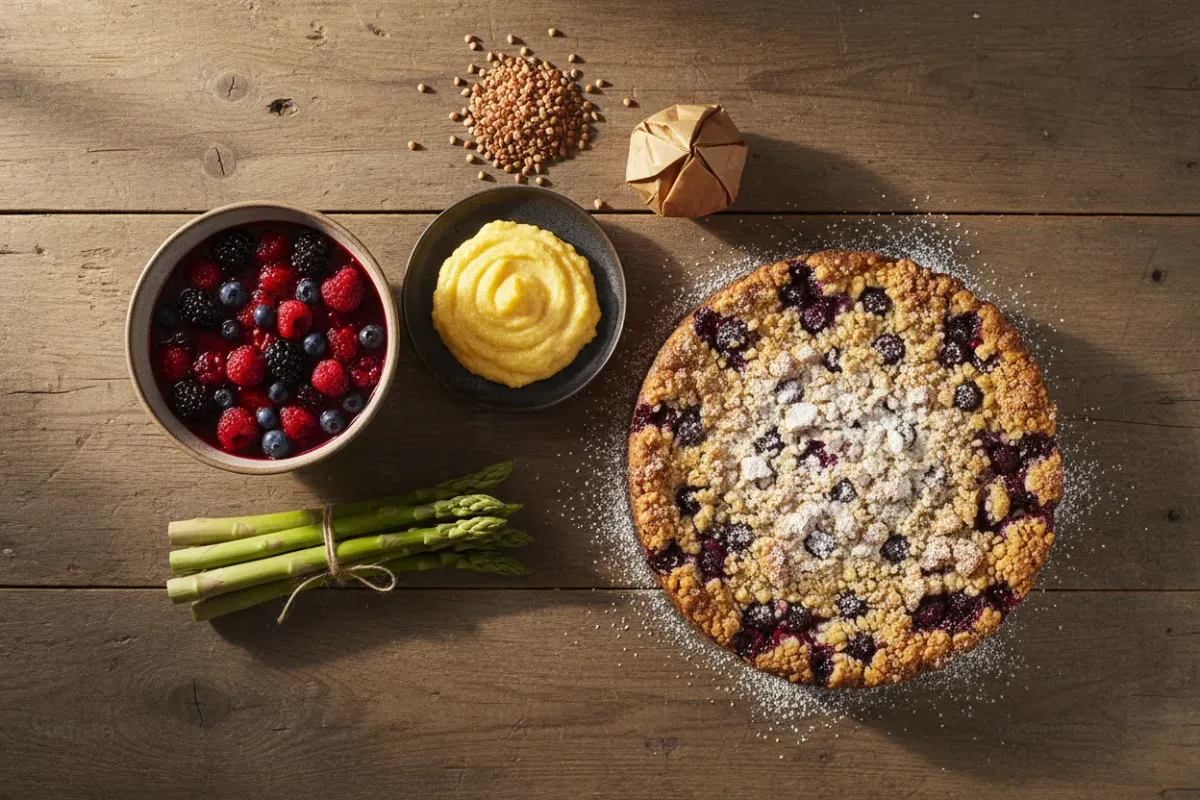
At the same time, the list of safe foods is impressively broad. Meat, fish, fruits, vegetables, rice, potatoes, as well as flour made from corn, soy, quinoa, buckwheat, chickpeas, amaranth, arrowroot, and tapioca — all of these are naturally gluten-free. It is precisely these foods that form the foundation of both a healthy and a budget-friendly diet.
Caution: Cross-Contamination
Even products that are inherently gluten-free — such as cornmeal or rice — can be contaminated with wheat gluten during manufacturing if they are processed on the same lines as wheat. That's why when buying grains and flour, it's important to choose products labeled "gluten-free."
A separate topic is oats. According to NIDDK data, most people with celiac disease can safely consume moderate amounts of oats, but the oats must be certified gluten-free, since during growing and processing, oats often come into contact with wheat, rye, or barley.
Staple Products: The Foundation of a Budget Gluten-Free Diet
The main principle of saving money with celiac disease is to focus on natural, unprocessed foods. As Beyond Celiac emphasizes, simple products — fruits, vegetables, meat without marinades and breading — are the most affordable path to safe eating.
Grains and Side Dishes
| Product | Approximate cost per kg | CPFC per 100 g (dry) | Why it's beneficial |
|---|---|---|---|
| Long-grain rice | 60–90 ₽ | 350 kcal / 7 P / 1 F / 78 C | Versatile base, easily digestible |
| Buckwheat | 80–120 ₽ | 330 kcal / 13 P / 3 F / 62 C | High protein and iron content |
| Cornmeal | 50–80 ₽ | 328 kcal / 8 P / 1 F / 71 C | Source of slow carbohydrates |
| Potatoes | 25–50 ₽ | 77 kcal / 2 P / 0.1 F / 17 C | Filling, cheap, vitamin C |
| Quinoa | 300–500 ₽ | 368 kcal / 14 P / 6 F / 64 C | Complete plant-based protein |
Rice, buckwheat, potatoes, and cornmeal — these are the four pillars of a budget gluten-free menu. Quinoa is more expensive, but it's worth including at least a couple of times a week for its amino acid profile.
Legumes — Your Budget's Best Friend
Beans, lentils, chickpeas, peas — all of these are naturally gluten-free, protein- and fiber-rich foods at a very affordable price. Combined with rice, legumes provide a nearly complete amino acid profile.
Sample dish from Beyond Celiac: rice with black beans, onion, garlic, cayenne pepper, and salt, topped with a fried egg. Simple, filling, safe.
CPFC per serving (approximately 350 g):
- Calories: ~420 kcal
- Protein: 18 g
- Fat: 8 g
- Carbohydrates: 68 g
Protein Sources
Meat, fish, eggs, and cottage cheese — all of these are gluten-free foods, provided they haven't been processed with marinades and breadings containing wheat flour. Beyond Celiac's recommendation: reduce meat consumption to one or two days a week to cut costs, and on other days use eggs, legumes, and cottage cheese as protein sources.
Eggs — one of the most cost-effective protein products. One egg contains about 6.5 g of protein and 75 kcal, and a dozen costs between 80 and 150 rubles.
Planning: The Key to Saving Money
Without a clear plan, a gluten-free diet quickly becomes expensive and chaotic. According to the National Celiac Association (NCA) guide, planning purchases and menus is the foundation of budget gluten-free eating.
Step 1. Check Your Pantry
Before heading to the store, check what you already have at home: rice, eggs, corn tortillas, cheese, grains. This helps avoid unnecessary purchases and build a menu around what's already available.
Step 2. Watch for Sales
The NCA recommends browsing weekly grocery store sales and planning your menu around discounted products. This is especially important for specialty gluten-free products (pasta, bread, cereal), which at regular price are significantly more expensive than their gluten-containing counterparts.
Step 3. Buy in Bulk
Rice, beans, frozen vegetables, canned products — all of these are more cost-effective to buy in large packages. As the NCA notes, buying grains, legumes, and frozen products in bulk noticeably reduces the cost per serving.
Step 4. Compare Unit Prices
Fresh, frozen, and canned vegetables can vary significantly in price. Carrots, for example, cost one amount fresh, another frozen, and yet another canned. Comparing the price per 100 g or per kilogram helps you choose the optimal option. Frozen vegetables retain most of their nutrients and don't spoil for months.
Step 5. Use Recipe Apps
The NCA recommends using apps that suggest recipes based on products you already have in your fridge and pantry. This helps diversify your menu without additional spending.
Meal Prep: Cooking for the Week
Preparing food in advance (meal prep) is a lifesaver for those combining a gluten-free diet with a limited budget. If you dedicate 2–3 hours once a week to cooking, you can simply reheat portions the rest of the days.
Sample Gluten-Free Weekly Menu
Monday
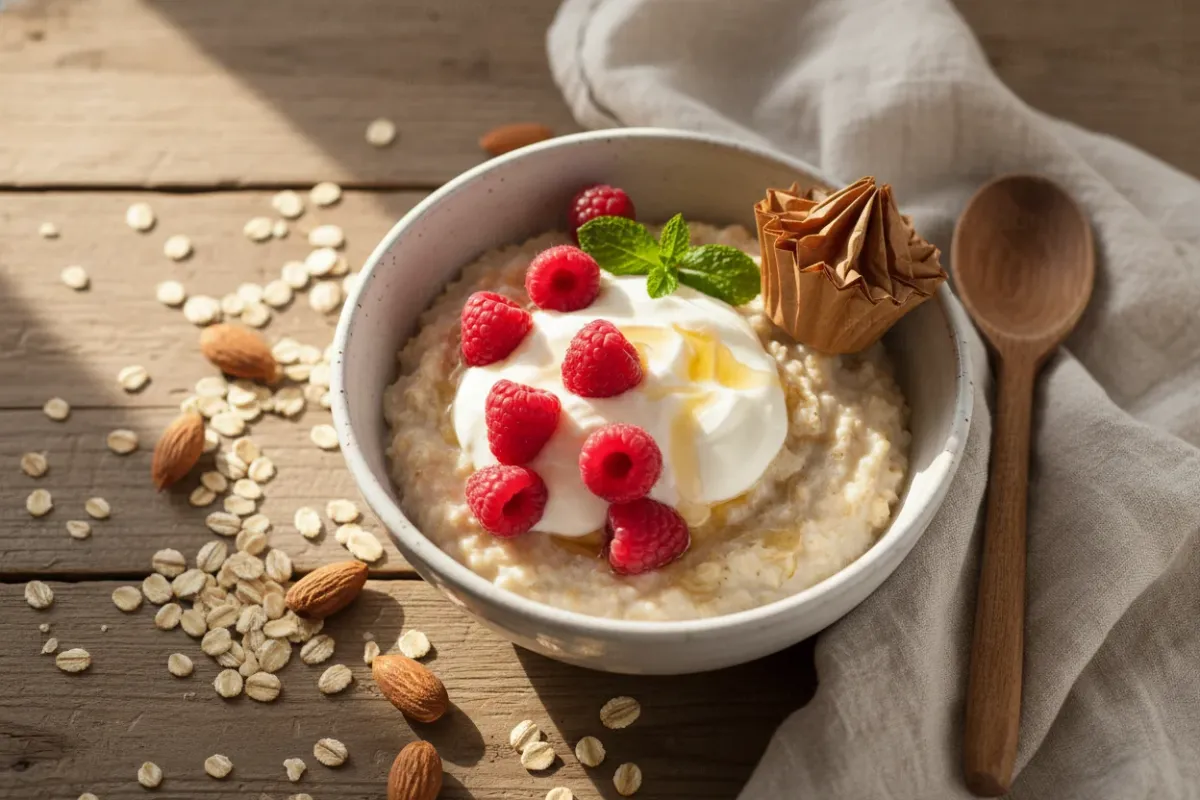
- Breakfast: buckwheat porridge with banana and nuts (~350 kcal / 12 P / 8 F / 58 C)
- Lunch: rice with chicken and roasted vegetables (~480 kcal / 32 P / 10 F / 60 C)
- Dinner: mashed potatoes with egg and fresh vegetable salad (~380 kcal / 15 P / 12 F / 48 C)
Tuesday
- Breakfast: cottage cheese with berries and seeds (~280 kcal / 22 P / 10 F / 20 C)
- Lunch: lentil soup with carrots and potatoes (~320 kcal / 18 P / 4 F / 50 C)
- Dinner: buckwheat with stewed vegetables and beans (~400 kcal / 16 P / 6 F / 65 C)
Wednesday
- Breakfast: cornmeal porridge with pumpkin (~300 kcal / 6 P / 3 F / 60 C)
- Lunch: rice with black beans and a fried egg (~420 kcal / 18 P / 8 F / 68 C)
- Dinner: baked fish with potatoes (~400 kcal / 28 P / 12 F / 40 C)
Thursday through Sunday — repeat and rotate the same dishes with variations: swap chicken for fish, buckwheat for rice, beans for chickpeas, fresh vegetables for roasted ones.
What to Prepare Ahead and Store
- Grains: cook rice and buckwheat for 3–4 days, store in the refrigerator
- Legumes: soak and cook beans or chickpeas, divide into portions
- Vegetables: chop and roast a sheet pan of vegetables (zucchini, peppers, carrots, onions)
- Protein: boil chicken breast or roast thighs, slice into portions
- Dressings: prepare a couple of sauces (olive oil + lemon + garlic; yogurt + herbs)
Pitfalls to Avoid
Pitfall 1: Replacing Everything with Gluten-Free Alternatives
Gluten-free bread, gluten-free pasta, gluten-free crackers — all convenient, but expensive. If you build your diet around such substitutions, your budget inflates 2–3 times over. It's much cheaper and healthier to use rice, buckwheat, and potatoes as your main side dishes, and buy specialty gluten-free products occasionally, on sale, for variety.
Pitfall 2: Buying from Bulk Bins
As stated in the four-week meal plan from the Gluten Intolerance Group, people with celiac disease should avoid buying from bulk bins, as there is a high risk of gluten cross-contamination. It's better to buy pre-packaged grains in factory-sealed packaging with proper labeling.
Pitfall 3: Ignoring Labels
Sauces, seasonings, deli meats, semi-prepared foods — gluten can hide in the most unexpected places. Soy sauce, for example, typically contains wheat. Checking the ingredients on the label should become an automatic habit.
Pitfall 4: Completely Giving Up Restaurants
Eating out with celiac disease is possible — if you check the menu in advance, inform the staff, and choose dishes that are naturally gluten-free (for example, steak with potatoes rather than pasta with a "gluten-free" substitute). But it requires attentiveness and preparation.
Specific Recipes with CPFC
Buckwheat Bowl with Vegetables and Egg
Ingredients (1 serving):
- Buckwheat — 80 g (dry)
- Egg — 1
- Avocado — 50 g
- Tomato — 100 g
- Cucumber — 100 g
- Olive oil — 5 ml
- Salt, pepper
CPFC: 450 kcal / 18 P / 16 F / 56 C
Preparation: Cook the buckwheat. Fry the egg with minimal oil. Chop the vegetables and avocado. Arrange everything in a bowl, drizzle with olive oil.
Cost per serving: approximately 80–120 ₽
Rice Casserole with Chicken and Broccoli
Ingredients (4 servings):
- Rice — 200 g (dry)
- Chicken breast — 300 g
- Broccoli — 300 g (frozen works)
- Eggs — 2
- Cheese — 50 g
- Salt, spices
CPFC per serving: 380 kcal / 28 P / 8 F / 48 C
Preparation: Cook the rice and chicken separately. Boil the broccoli for 3 minutes. Mix the rice, chopped chicken, and broccoli. Pour beaten eggs over the mixture, sprinkle with grated cheese. Bake for 25 minutes at 180°C.
Cost for 4 servings: approximately 350–450 ₽
Lentil Soup
Ingredients (4 servings):
- Red lentils — 200 g
- Potatoes — 200 g
- Carrots — 150 g
- Onion — 1
- Garlic — 2 cloves
- Turmeric, cumin — a pinch of each
- Olive oil — 10 ml
CPFC per serving: 250 kcal / 14 P / 3 F / 42 C
Preparation: Sauté the onion and carrots in oil. Add the spices, then the potatoes, lentils, and water. Cook for 25 minutes. Optionally, blend until creamy.
Cost for 4 servings: approximately 150–200 ₽
Where to Find Support and Information
Living with celiac disease is a marathon, and community support helps. Here are several reliable resources:
- Beyond Celiac — practical tips for gluten-free eating on a budget
- Celiac Disease Foundation — clinical guidelines and educational materials. In 2023, the American College of Gastroenterology updated its clinical guidelines for the diagnosis and management of celiac disease, and the foundation actively participates in their dissemination
- NIDDK — evidence-based information on diet for celiac disease
It's also worth noting that in 2026, the Celiac Disease Foundation published the first national recommendations for supporting college students with celiac disease — 24 recommendations aimed at ensuring equal access to safe food, housing, and academic life. This shows that awareness of celiac disease is growing, and support is becoming increasingly accessible.
Frequently Asked Questions
Do I need to eat gluten before a blood test for celiac disease?
Yes. For an accurate result on a celiac antibody test, you need to consume gluten for several weeks before the test. If you eliminate gluten beforehand, antibody levels may decrease, and the result could be a false negative. The exact duration and amount of gluten should be determined by your doctor.
What affordable staple dishes form the basis of a gluten-free diet?
Rice with beans, buckwheat with vegetables, lentil soup, baked potatoes with egg, cornmeal porridge with pumpkin. All of these dishes cost between 50 and 120 rubles per serving and are completely safe for celiac disease. The key is to use natural products rather than specialty gluten-free substitutes.
How do I avoid cross-contamination at a restaurant?
Inform your server about your diagnosis, ask whether the dish is prepared on a separate surface and with separate utensils, and choose simple dishes without sauces (steak, grilled fish, salad without croutons). Many restaurants today have a gluten-free menu — but even when one is available, it's worth asking questions about the preparation process.
Why do symptoms persist after switching to a gluten-free diet?
There can be several reasons: hidden gluten in sauces, seasonings, or medications; cross-contamination in the kitchen; co-existing conditions (lactose intolerance, irritable bowel syndrome). As Dr. Alberto Rubio-Tapia, lead author of the updated clinical guidelines, notes, quality follow-up care with an experienced dietitian is essential. If symptoms don't resolve, it's a reason to schedule another consultation with a gastroenterologist.
A gluten-free diet for celiac disease isn't about restrictions — it's about making informed choices. Rice, buckwheat, potatoes, legumes, vegetables, fruits, eggs, meat, and fish — from this set you can assemble dozens of delicious, filling, and nutritious meals. The key is to plan, check labels, and not chase expensive "gluten-free" alternatives when right next to them on the shelf are products that never contained gluten in the first place. Try putting together a weekly menu from the recipes above — and discover how simple healthy gluten-free eating can be.
This article is for informational purposes only and is not medical advice. Consult a doctor or dietitian before making dietary changes.